Crinum erubescens Care

Crinum erubescens

About Crinum erubescens

Crinum erubescens is a bulb-forming perennial from wet, tropical habitats in the Americas. It typically grows in or near shallow water, such as swamps and river margins.

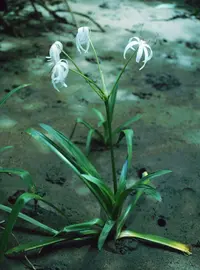
The plant forms strappy, arching leaves and tall flower stalks carrying pink to reddish, lily-like blooms. It can become large and needs space for its bulbs and foliage.

This species suits warm, humid conditions and prefers consistently moist, rich soil, making it better for experienced growers or dedicated beginners. Understanding how to care for Crinum erubescens helps prevent issues with rot, leaf scorch, and poor flowering.

Main Plant Requirements

Care Difficulty

Moderate Care

Light Preference

Full Sun

Water Requirements

Aquatic

Temperature Preference

Tropical / Frost Sensitive

Hardiness Zone

9–11

Soil Texture

Loamy, Silty, Organic-rich

Soil pH

Acidic (5.5–6.5), Slightly acidic (6.5–7.0)

Soil Drainage

Waterlogged tolerant

Fertilization

Light (every 4–6 weeks)

Get Personalized Care Plan

Scan your plant to receive care tips personalized for your specific plant

Available on iOS and Android

How to Care for the Crinum erubescens

This species prefers bright conditions similar to its native marshy habitats.

  • Provide 4–6 hours of direct morning sun with light afternoon shade; in hotter climates, give filtered light after 12 p.m. to reduce leaf scorch.
  • Tolerates light to partial shade (around 2–4 hours of direct sun) but flowering and vigor decline if grown in deep shade.
  • In summer, monitor for pale, scorched, or rolling leaves from excessive sun; in winter, unobstructed light helps compensate for shorter days.

This bulb thrives in consistently moist to wet conditions but still benefits from some drainage.

  • In garden soil, aim for evenly moist ground; do not allow the top 2–3 cm to fully dry out for long, especially during active growth and flowering.
  • Crinum erubescens tolerates standing water in ponds or boggy sites, but in heavier soils a slight slope or raised spot prevents stagnant, foul-smelling conditions.
  • Yellowing, limp leaves and a soft bulb suggest chronic overwatering without oxygen; dry, browning tips and slow growth indicate prolonged dryness.

This tropical bulb grows best in warm, frost-free conditions throughout the year.

  • Optimal growth occurs around 70–86°F (21–30°C), with steady warmth promoting strong foliage and flowering.
  • Plants are very frost-sensitive; growth slows below 60°F (16°C) and tissue damage can occur near 40°F (4°C), so protect from any freeze.
  • Tolerates short hot spells up to about 95°F (35°C) if soil stays moist; in cooler regions, seasonal dormancy may follow repeated exposure below 55°F (13°C).

This species prefers moderate to high humidity but adapts to typical indoor levels if not extremely dry.

  • Aim for 50–70% humidity for best growth, especially in heated or air-conditioned rooms.
  • Dry air can cause leaf tip browning and slower growth; prolonged very low humidity may weaken foliage.
  • Increase humidity with a nearby tray of water and pebbles or by grouping plants, rather than misting leaves frequently.

This bulb prefers deep, loose, well-drained soil that still retains some moisture around the roots.

  • Use a loamy mix with roughly 50% composted organic matter, 30% coarse sand, and 20% perlite for structure and drainage.
  • Target a slightly acidic to neutral pH around 6.0–7.0, which supports nutrient availability for Crinum erubescens.
  • Ensure the mix drains freely; water should pass through within seconds rather than sitting on the surface.
  • Avoid heavy clay, compacted substrates, or soils that stay waterlogged, which promote bulb rot and poor aeration.

This species can be grown successfully in large, sturdy containers if given enough root depth and drainage.

  • Choose a deep, heavy pot that resists tipping because mature foliage and flower stalks can be top-heavy.
  • Leave generous space above the bulb for neck elongation while keeping the bulb base well covered by the mix.
  • Select thick-walled clay or cement containers outdoors to buffer temperature swings and reduce sudden moisture loss.

Feeding supports flowering and bulb strength in Crinum erubescens grown in containers or poor soil.

  • Use a balanced NPK fertilizer (such as 10-10-10) at 1/2 strength every 4–6 weeks during the warm growing season.
  • Apply a thin layer of compost around the bulb base once in spring to improve soil structure and nutrient supply.
  • In pots, consider a slow-release granular fertilizer mixed into the top 2–3 cm of soil at the start of the season.
  • Reduce or stop feeding in late fall and winter when growth slows or foliage declines, to avoid forcing weak, soft growth.

Pruning needs are light and focus on cleanliness and safety for Crinum erubescens.

  • Use clean, sharp hand pruners to remove yellowing or dead leaves at the base throughout the growing season.
  • Cut back damaged, diseased, or storm-torn foliage promptly to limit rot and improve airflow around the bulb.
  • After flowering, trim spent flower stalks near the base so energy returns to bulb and roots instead of seed production.
  • Avoid cutting healthy green leaves heavily, as they are important for storing energy and maintaining bulb vigor.

Crinum erubescens prefers to stay undisturbed, so repotting or transplanting is infrequent but sometimes necessary.

  • Look for roots circling the pot, cracking containers, or noticeably slower growth as signals to move the plant.
  • Plan transplanting or repotting for late winter to early spring, just before strong new growth begins.
  • Expect to repot large bulbs only every 3–5 years, choosing a pot 5–8 cm wider with deep, well-drained soil.
  • Water thoroughly after moving, keep soil lightly moist, and provide partial shade for 1–2 weeks to reduce transplant shock.

Propagation is most reliable through division of offsets rather than from seed in home conditions.

  • Divide bulb offsets in late winter or early spring, when the plant is relatively dormant and soil is workable.
  • Lift the clump carefully, separating firm, healthy offsets with some roots attached from the mother bulb.
  • Replant offsets with the neck slightly above soil level in well-drained mix, spacing them to allow future expansion.
  • Keep soil just moist in warm conditions and provide bright, indirect light until new leaves emerge and growth strengthens.

Cold sensitivity means Crinum erubescens needs extra attention in regions with frost or freezing temperatures.

  • In mild climates above about 30°F, apply a 5–8 cm mulch layer over the root zone to buffer temperature swings.
  • In colder areas, dig bulbs after frost blackens foliage, dry them, and store in a cool, frost-free, airy place.
  • For container plants, move pots indoors to a bright, cool room before frost, watering only enough to prevent desiccation.

Care Tips

Bulb planting depth

Set bulbs so the neck is just at or slightly above the soil surface and keep the upper third of the bulb exposed to reduce rot risk and promote strong neck and leaf development.

Seasonal rest management

If foliage declines in cooler months, gradually reduce watering and keep the bulbs just barely moist, then resume normal watering and feeding only once fresh leaves or flower spikes start to emerge.

Support for heavy scapes

As flower stalks elongate, insert discreet stakes or use soft ties early so the developing umbels are supported against wind or their own weight and less likely to snap.

Dividing congested clumps

Every 4–6 years, lift and divide crowded clumps at the start of warm weather, replant offsets with adequate spacing, and water deeply once to settle roots and stimulate new growth.

Water garden transition

For plants grown in containers, acclimate bulbs to shallow aquatic culture by gradually lowering the pot so the water line rises from just above the soil surface to a few cm over the crown, monitoring for any signs of bulb softening during this transition when growing Crinum erubescens.

Common Pests and Diseases

Narcissus bulb fly

This pest targets large amaryllis-type bulbs, where larvae tunnel inside and destroy the bulb tissue from within. Symptoms include weak or absent foliage, sudden collapse of leaves, and a soft or hollow-feeling bulb when pressed.

Solution

Discard severely damaged bulbs since larvae are usually deep inside and difficult to remove. For prevention when growing Crinum erubescens, inspect bulbs before planting, avoid planting damaged or cut bulbs, cover soil with fine mesh in spring to block egg laying, and lift and inspect bulbs if growth becomes unexpectedly weak.

Spider mites

These insects thrive in warm, dry conditions and suck sap from the long, strap-like leaves, causing fine stippling, dulling of leaf color, and sometimes light webbing. Symptoms include dry leaf tips and margins that gradually yellow or bronze.

Solution

Rinse foliage thoroughly with a firm stream of water, including the leaf bases, and repeat several times over 1–2 weeks. Increase humidity around the plant, remove heavily infested or badly discolored leaves, and use a horticultural soap or neem oil spray on both leaf surfaces, applied according to label directions.

Mealybugs

This pest hides in leaf bases and along midribs, where white cottony clusters appear and honeydew may lead to sooty mold. Symptoms include distorted new growth, sticky leaves, and general decline despite adequate water and light.

Solution

Wipe visible insects off with cotton swabs dipped in 70% isopropyl alcohol, then wash foliage and leaf bases with lukewarm water and mild soap. For larger populations, apply an insecticidal soap or neem oil spray, repeating every 7–10 days until no new insects appear, and isolate affected plants from nearby bulbs and houseplants.

Leaf spot

This disease causes brown, tan, or reddish lesions on the broad leaves, sometimes with yellow halos, often starting on older foliage in humid or crowded conditions. Symptoms include progressive spotting, premature yellowing, and early leaf dieback that reduces bulb vigor over time.

Solution

Remove and discard affected leaves to reduce inoculum, and avoid wetting the foliage when watering. Improve air circulation, reduce overcrowding, and, in persistent or spreading cases, apply a labeled copper or broad-spectrum fungicide during the growing season, following label directions carefully.

Bulb scale rot

This disease affects stored or waterlogged bulbs, causing brown, soft, and sometimes foul-smelling scales that separate easily, leading to poor emergence or stunted shoots. Symptoms include delayed sprouting, weak leaves, and bulbs that feel soft, water-soaked, or show dark lesions when cut open.

Solution

Lift and inspect bulbs showing weak growth, discarding any that are soft, foul-smelling, or extensively discolored. For mildly affected bulbs, trim out rotten tissue with a sterile knife, dust cut surfaces with a dry fungicidal or sulfur powder, then replant in sharply draining substrate and avoid prolonged saturation of the root zone.

Interesting Facts

Amphibious swamp bulb

This species is naturally adapted to seasonally flooded freshwater swamps and river margins in tropical America, where its elongated bulb and sturdy leaf bases tolerate both standing water and brief exposure of the roots.

Night-scented flowers

The tubular pink to reddish flowers open mainly in the evening and release a stronger fragrance at night, which is interpreted as an adaptation to attract nocturnal pollinators such as moths.

Reddish pigmentation

Young foliage and flower stalks often show a reddish or wine-colored tint due to anthocyanin pigments, which can provide some protection against strong light and oxidative stress in exposed wetland habitats.
Botan icon

Did you know?

Crinum erubescens is one of relatively few large bulb-forming monocots that thrive with their bases submerged for long periods, and in the wild it can form dense colonies along tropical riverbanks that persist through repeated annual flooding events.

FAQs about Crinum erubescens

Lack of flowering usually comes from insufficient maturity, cramped bulbs, or inadequate growing season warmth. Ensure the bulb is large, not buried too deeply, and kept in reliably warm, bright, frost-free conditions to promote seasonal flower production.

Grow Healthy Plants with Botan Care

Keep your plants happy and healthy with plant identification, disease detection, and easy care guidance.

Botan plant care app — identify plants on mobile

Explore More Plants