vernal water-starwort Care (Callitriche palustris)

Also known as: Narrow-fruited Water-starwort, spring water-starwort
vernal water-starwort

About vernal water-starwort

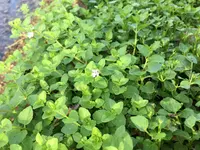
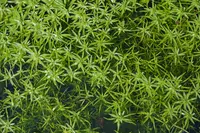
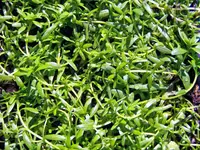
Vernal water-starwort, Callitriche palustris, is a small aquatic plant that forms low, delicate mats in shallow water or very wet soil. Its tiny paired leaves often create star-like clusters on the water surface.

This species is native to cool and temperate regions of the Northern Hemisphere, where it grows in ponds, ditches, stream margins, and marshy ground. It is generally easy to grow if it has clean, still or slow-moving water and consistently saturated substrate.

Gardeners who care for vernal water-starwort value its fine texture, fast coverage, and usefulness for naturalistic ponds, paludariums, and wildlife-friendly water features.

Main Plant Requirements

Care Difficulty

Moderate Care

Light Preference

Partial Sun

Water Requirements

Aquatic

Temperature Preference

Cold Hardy

Hardiness Zone

3–9

Soil Texture

Sandy, Loamy, Silty

Soil pH

Acidic (5.5–6.5), Slightly acidic (6.5–7.0)

Soil Drainage

Waterlogged tolerant

Fertilization

Minimal (feed rarely)

Get Personalized Care Plan

Scan your plant to receive care tips personalized for your specific plant

Available on iOS and Android

How to Care for the vernal water-starwort

This aquatic species prefers bright, open conditions but tolerates some shade in natural ponds and slow streams.

  • Provide 4–6 hours of sun daily, with gentle morning sun and light afternoon shade to limit overheating of shallow water.
  • Accepts partial shade, especially in summer; 2–4 hours of dappled or filtered light can still support compact growth of vernal water-starwort.
  • Avoid full, harsh midday sun in very shallow water, which can cause rapid warming, algal overgrowth, and leaf yellowing or scorching.

This species is adapted to saturated soils and shallow standing water rather than intermittently dry conditions.

  • Keep the substrate constantly submerged or saturated; exposed mud should stay glossy and soft, never forming deep surface cracks.
  • In flowing or pond settings, watch foliage: limp, shrinking mats or exposed roots signal insufficient water depth or receding levels for Callitriche palustris.
  • Pale, rotting, or foul-smelling stems indicate stagnant, oxygen-poor water; improve circulation or partial water changes rather than reducing moisture.

This cold-tolerant aquatic plant handles a broad range of temperatures but grows best in cool to mild conditions.

  • Aim for 50–70°F (10–21°C) water for strongest growth; moderate water movement helps keep temperature more stable.
  • Tolerates down to about 32°F (0°C) if water does not freeze solid; foliage may die back, but submerged parts often persist and regrow in spring.
  • Handles short periods up to 82–86°F (28–30°C) if water stays deep and shaded; prolonged hot, shallow conditions can cause stress, algae, and decline.

This aquatic species prefers consistently high humidity around its foliage and water surface.

  • Aim for 70–100% humidity by keeping stems and foliage above shallow water or a very wet substrate.
  • It tolerates brief dips to 50–60% but prolonged dry air causes browning tips and reduced new growth on vernal water-starwort.
  • Increase humidity with open trays of water around the container, grouping aquatic pots, or using a room humidifier near the planting area.

Callitriche palustris grows best in permanently saturated, fine-textured substrates rather than typical potting mixes.

  • Use a base of fine sand and loam with plenty of organic matter such as leaf mold or compost for a soft, silty structure.
  • Keep drainage very slow; the mix should stay waterlogged or submerged, so avoid coarse perlite or bark that introduces rapid drainage.
  • Aim for slightly acidic to neutral conditions, around pH 6.0–7.2, which support stable growth and nutrient availability.
  • Avoid dry, fast-draining, or compacted mineral soils, and prevent any layer that traps anaerobic gases directly under the root zone by gently mixing organic material through the whole profile.

This species is well suited to container growing when kept in water-filled or saturated setups.

  • Choose a broad, shallow container to allow stems to spread horizontally and form a dense mat without crowding.
  • Select a heavy ceramic or plastic tub that will not tip when filled with water and saturated substrate.
  • Maintain a stable water column by topping up frequently so the substrate never dries and stems remain at or just below the water surface.

Callitriche palustris is a low-nutrient aquatic species that needs only light, careful feeding in containers.

  • In planted aquariums or tubs, use a dilute balanced aquatic fertilizer (around 10-10-10) at 1⁄4 strength.
  • Feed every 4–6 weeks during active growth in spring–summer, monitoring for algae blooms.
  • Avoid fertilizing during winter dormancy or when growth nearly stops.
  • Rinse substrate and refresh water partly if nutrient buildup or algae appear.

Pruning Callitriche palustris focuses on controlling spread and keeping oxygenating growth healthy.

  • Trim back long, tangled, or overcrowded stems during spring–summer to maintain shape and light penetration.
  • Remove dead, yellowing, or damaged shoots with fine scissors just above healthy foliage.
  • Thin dense patches to improve water flow and reduce debris buildup in ponds or aquaria.
  • Discard pruned material promptly so it does not decay and reduce water quality.

This aquatic forms mats that are usually transplanted rather than traditionally repotted.

  • Transplant when growth becomes too dense, water flow is blocked, or plants shade other species.
  • Best timing is in spring or early summer, when water temperatures are rising and plants recover quickly.
  • Lift small sections with roots and attached substrate, then replant gently into shallow, fine-grained soil under water.
  • Keep roots constantly submerged, handle mats carefully, and avoid major disturbance during very hot or very cold spells.

Callitriche palustris is commonly propagated by simple vegetative division in aquatic setups.

  • In spring–summer, cut healthy stem sections with multiple leaf nodes using clean scissors.
  • Replant cuttings into shallow, fine aquatic substrate, gently anchoring stems under a small amount of gravel or sand.
  • Maintain clean, still to gently moving water, moderate light, and stable temperatures for rooting.
  • For seed propagation, allow flowers to set seed, then collect and sow in trays kept consistently submerged.

Vernal water-starwort is cold hardy in many temperate ponds and usually needs minimal winter care.

  • Hardy down to light–moderate freezing if submerged under ice-free or gently frozen water.
  • In outdoor containers, sink pots deeper in the pond so crowns stay below the ice line.
  • Indoor tubs in very cold regions can be overwintered in a cool, bright location with stable water levels.

Care Tips

Substrate Security

Anchor the plant in a shallow tray of clean sand or fine gravel under the water so the roots are held in place and stems do not float away during water changes or when fish disturb the bottom.

Gentle Water Movement

Use a sponge-filter or diffused outlet to create slow, steady water circulation that prevents stagnation but avoids strong currents that would uproot or flatten the delicate stems.

Regular Thinning

Every 1–2 weeks, remove older, shaded stems and extra floating rosettes to keep the stand open, which improves light penetration, reduces algae buildup, and maintains compact growth.

Careful Water Changes

When changing water, siphon from the mid-water column rather than directly over the planting area, and pour replacement water slowly against the tank wall to avoid disturbing the substrate.

Seasonal Light Adjustment

In outdoor tubs or ponds, provide a bit of shade cloth or relocate the container during the hottest part of summer to prevent sudden overheating of shallow water when growing vernal water-starwort.

Common Pests and Diseases

Algal overgrowth

Symptoms include bright green, slimy films or threads covering leaves, stems, and surrounding water surfaces, often smothering growth and blocking light. This problem develops in nutrient-rich, slow-moving or stagnant water with strong light.

Solution

Reduce excess nutrients by limiting fish feeding, increasing partial water changes, and removing decomposing organic matter; manually siphon or gently brush algae from the plant. Improve water circulation and consider adding floating plants or shading to reduce intense light, which supports more stable Callitriche palustris care.

Aquatic snails

These insects are absent; instead, small freshwater snails may graze on soft leaf tissues and new shoots, leaving irregular holes or skeletonized foliage. Damage is usually more noticeable on tender submerged or emersed growth in nutrient-rich ponds and aquaria.

Solution

Hand-pick snails regularly and remove attached egg clutches from plant surfaces and hardscape. If populations remain high, temporarily relocate fish or invertebrates and use a targeted snail trap or species-appropriate biological control, while maintaining good tank hygiene to limit snail reproduction.

Aquatic aphids

This pest forms small clusters on emergent stems and floating rosettes, sucking sap and causing leaf curling, yellowing, and sticky honeydew on above-water parts. Infestations usually occur where the plant grows in shallow margins or in containers with emersed shoots.

Solution

Rinse affected shoots with a firm stream of water or submerge emergent stems to drown aphids when possible. For persistent problems, remove heavily infested stems and use a dilute insecticidal soap spray on above-water foliage, keeping the solution out of the main water body to protect aquatic animals.

Filamentous fungi

This disease appears as fine white or gray cottony growth on decaying leaves, cut stems, or plant debris, especially in cool, stagnant water. Symptoms include softening and breakdown of older or damaged tissues, which can spread decay along dense mats.

Solution

Remove affected and decaying plant material promptly and increase water movement and partial water changes to lower organic load. Avoid overcrowding, thin dense patches to improve flow through the stems, and maintain stable temperatures to reduce stress that makes tissues more prone to fungal colonization.

Bacterial leaf melt

This disease causes sudden softening, translucence, and disintegration of submerged leaves, often after transplanting or rapid changes in water conditions. Symptoms include stems losing foliage from the base upward, leaving bare, fragile nodes.

Solution

Trim and remove all mushy or melting tissue and replant only healthy, firm tips. Stabilize conditions by avoiding abrupt shifts in temperature, pH, or hardness, maintain good water circulation and moderate nutrients, and allow surviving shoot tips to re-root and regrow under consistent parameters.

Interesting Facts

Amphibious growth form

This species can grow fully submerged in water or in shallow, muddy margins, changing its leaf shape and size depending on whether it is underwater or exposed to air.

Indicator of clean water

It often occurs in cool, nutrient-poor, well-oxygenated streams and ponds, so its presence can indicate relatively good water quality and low pollution levels.

Tiny but prolific flowers

The plant produces very small, usually unisexual flowers in the leaf axils near the water surface, and can form large seed banks in the sediment that help populations persist through disturbance or drying.
Botan icon

Did you know?

This species can form dense underwater carpets that slow water flow and trap fine sediments, which in turn create microhabitats for aquatic invertebrates and shelter for small fish and amphibian larvae.

FAQs about vernal water-starwort

This species can spread quickly by stems and seed in shallow, still or slow-moving water. Regular thinning and physical removal of excess mats help prevent it from overtaking small ponds or delicate submerged plants when growing vernal water-starwort.

Grow Healthy Plants with Botan Care

Keep your plants happy and healthy with plant identification, disease detection, and easy care guidance.

Botan plant care app — identify plants on mobile

Explore More Plants