skyflower Care (Hydrolea corymbosa)

skyflower

About skyflower

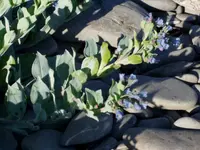
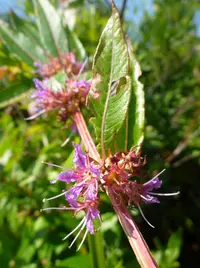
Hydrolea corymbosa, often called skyflower, is a moisture-loving perennial herb found in wetlands, ditches, and pond margins in the southeastern United States and parts of the Caribbean. It typically forms low, branching clumps with narrow green leaves and clusters of small, bright blue flowers that attract pollinators.

This species is adapted to consistently damp or shallowly flooded conditions, so it suits water gardens and naturalized wet areas better than dry beds. It is generally straightforward to grow if its need for high moisture and sunny, open exposure is met, which is central to how to care for skyflower.

Main Plant Requirements

Care Difficulty

Moderate Care

Light Preference

Full Sun

Water Requirements

Aquatic

Temperature Preference

Warm Climate

Hardiness Zone

8–11

Soil Texture

Sandy, Loamy, Organic-rich

Soil pH

Acidic (5.5–6.5), Slightly acidic (6.5–7.0)

Soil Drainage

Waterlogged tolerant

Fertilization

Minimal (feed rarely)

Get Personalized Care Plan

Scan your plant to receive care tips personalized for your specific plant

Available on iOS and Android

How to Care for the skyflower

Hydrolea corymbosa prefers strong light typical of open, wet habitats and needs consistent sun exposure to flower well.

  • Provide 6–8 hours of direct sun daily, ideally with morning sun and light afternoon shade in hotter regions to reduce leaf scorch risk.
  • Plant skyflower in an open site; it tolerates light partial shade (about 3–4 hours sun) but flowering and compact growth decrease as shade increases.
  • In summer, monitor for bleaching or crispy leaf edges as signs of excessive sun, while lanky, pale shoots indicate insufficient light and the need for more exposure.

This wetland species needs constantly moist to saturated conditions and does not tolerate drying out.

  • Maintain soil that is consistently moist to boggy; the surface should never dry more than the top 0.5–1 cm, especially during active growth.
  • Use heavy, organic-rich soil that holds water well; good drainage is less critical than for most plants, but avoid stagnant, foul-smelling water that indicates anaerobic conditions.
  • In hot weather, watch for wilting or dull, drooping leaves as signs of insufficient moisture, and for yellowing, mushy stems as indicators of chronic overwatering stress.

This species favors warm, frost-free conditions common in subtropical and warm temperate wetlands.

  • Aim for active growth temperatures of 70–86°F (21–30°C), which support strong vegetative growth and flowering.
  • Protect the plant from temperatures below 40°F (4°C); light chills slow growth, and true frost around 32°F (0°C) or below can kill above-ground parts or the whole plant.
  • In hot spells above 95°F (35°C), ensure ample water and, if possible, slight afternoon shade to limit heat stress and leaf burn.

This semi-aquatic species needs very high humidity and constant moisture around roots and foliage.

  • Aim for 70–90% humidity, using trays of water or positioning pots near shallow water features to maintain a moist microclimate.
  • Dry air leads to leaf edge browning, curling, and reduced new growth on skyflower.
  • In heated or air-conditioned areas, group plants closely and use a cool-mist humidifier to prevent rapid moisture loss.

This plant prefers saturated, organic-rich soil that mimics marsh or pond-edge conditions.

  • Use a heavy, fine-textured mix of 2 parts loam, 1 part clay-rich topsoil, and 1–2 parts compost to hold water and nutrients.
  • Keep drainage very slow; the root zone should stay consistently wet, so choose containers or sites that can remain almost waterlogged.
  • Target a slightly acidic to neutral pH of 6.0–7.0, avoiding strongly alkaline mixes that can limit nutrient availability.
  • Avoid coarse, sandy, or peat-only mixes that dry quickly; if soil is loose, add additional clay or silt to reduce drainage.

This species can be grown in containers if the pot is managed to stay consistently wet or shallowly flooded.

  • Select a deep, weighty container that resists tipping when filled with saturated, heavy substrate and water.
  • If drainage holes are present, stand the pot in a non-draining outer tray or basin that keeps 2–5 cm of water around the base.
  • Use thick plastic or glazed ceramic pots rather than porous clay to slow evaporation and help maintain a permanently wet root zone.

Hydrolea corymbosa responds well to moderate nutrition in moist, rich soil during the growing season.

  • Use a balanced, water-soluble fertilizer (such as 10-10-10) at 1/2 strength for caring for skyflower in containers or poor soils.
  • Feed every 4–6 weeks in spring and summer when growth is active, skipping doses if foliage already looks deep green.
  • Apply a thin layer of compost around in-ground plants once in spring to boost organic matter and micronutrients.
  • Stop feeding in fall and winter, when growth slows, to avoid weak, frost-sensitive shoots.

Hydrolea corymbosa benefits from light structural pruning to maintain a compact, flowering form.

  • Time main pruning for late winter or early spring before vigorous new growth starts.
  • Remove dead, damaged, or diseased stems first, cutting back to healthy tissue with clean, sharp hand pruners.
  • Thin crowded interior shoots to improve air flow and light penetration, which supports healthier foliage and better flowering.
  • Lightly shorten overly long stems after blooming to control spread while preserving next season’s buds.

This species is more often transplanted in wet garden or pond-edge settings than kept as a long-term container plant.

  • Plan transplanting for spring or early summer once the risk of hard frost has passed and soil is warming.
  • Look for signs such as roots circling a pot, water running off quickly, or noticeably slower growth before moving a plant.
  • Transplant every 2–3 years or when clumps outgrow their space, choosing a site with consistently moist, humus-rich soil.
  • Water thoroughly before and after moving, disturb roots as little as possible, and shade temporarily to reduce transplant stress.

New Hydrolea corymbosa plants are usually produced from divisions or softwood stem cuttings.

  • Divide established clumps in spring, lifting sections with a spade and replanting pieces that include healthy roots and shoots.
  • Take 8–10 cm softwood cuttings in late spring to early summer, removing lower leaves and inserting into a moist, sterile medium.
  • Maintain high humidity and bright, indirect light around cuttings, keeping the rooting medium evenly moist but not waterlogged.
  • Sow fresh seed on the surface of wet, fine-textured substrate, as light and saturation both support good germination.

In mild to moderate climates this wetland plant usually needs minimal winter attention once established.

  • Hydrolea corymbosa tolerates light frosts but may experience dieback in prolonged freezes, with regrowth from the root zone.
  • Apply a 5–7 cm layer of organic mulch around the base in late fall to insulate shallow roots and stabilize moisture.
  • In colder regions, grow in containers that can be moved to a cool, frost-free space with bright light and consistently damp soil.

Care Tips

Shallow Water Basins

For container culture, place pots inside a wider, shallow basin kept with 2–5 cm of water to mimic marshy edges while preventing the crown from sitting under water, which reduces rot risk when growing skyflower.


Managed Rhizome Spread

Install plastic or metal root barriers 20–30 cm deep around in-ground plantings to contain creeping rhizomes and keep the colony from invading adjacent beds or lawn areas.

Seasonal Cutting Rotation

In mild climates, divide a large patch into sections and cut only 1⁄3–1⁄2 of the stems down at a time during maintenance so remaining growth continues photosynthesis and supports strong regrowth.

Oxygenated Water Supply

If grown in standing water features or large tubs, use a small aquarium air stone or gentle water circulation pump to keep water slightly oxygenated and limit anaerobic conditions that promote root and stem rot.

Targeted Pest Monitoring

Inspect undersides of leaves and tender tips every 7–10 days for aphids and spider mites, and if detected, hose plants off with a firm water spray before populations build, repeating every few days until clear.

Common Pests and Diseases

Leaf-chewing caterpillars

This pest often feeds on the soft foliage of Hydrolea corymbosa in wet habitats, leaving irregular holes or missing leaf sections. Symptoms include skeletonized leaves and frass (droppings) on or below the plant.

Solution

Hand-pick caterpillars when visible and drop them into soapy water, and prune heavily damaged foliage to reduce feeding sites. In outdoor stands, encourage natural predators and, if defoliation is significant, use a targeted Bacillus thuringiensis (Bt) product, following label directions and avoiding overspray into adjacent water bodies whenever possible.

Leaf beetles

These insects can occur on Hydrolea corymbosa in marshy or pond-margin plantings, chewing small rounded or elongated holes in leaves. This pest may also cause a shot-hole appearance and general thinning of the canopy.

Solution

Inspect foliage regularly and remove beetles by hand into soapy water in small plantings, and remove plant debris that can harbor adults. For heavier infestations, apply a low-toxicity insecticidal soap or neem-based product to leaf surfaces, treating in the early morning and repeating as needed while avoiding direct runoff into open water.

Aphids

These insects cluster on tender shoot tips and undersides of leaves, sucking sap and causing curled, distorted new growth. This pest also excretes sticky honeydew that can support black sooty mold on foliage.

Solution

Rinse colonies off stems and leaves with a firm stream of clean water and pinch back heavily infested shoot tips if practical. For persistent colonies, use insecticidal soap or a light horticultural oil, coating the undersides of leaves thoroughly and repeating at 5–7 day intervals until populations drop.

Leaf spot

This disease appears as small water-soaked or dark brown spots on leaves, which may merge under warm, humid conditions common around standing water. Symptoms include yellowing and premature drop of heavily affected leaves.

Solution

Remove and discard spotted, fallen leaves to lower the amount of infectious material around the plant, and avoid overhead watering in container or controlled plantings. Improve spacing and airflow where possible, and if the problem recurs, apply a broad-spectrum fungicide labeled for foliar leaf spots on ornamentals, following directions carefully.

Stem blight

This disease affects succulent stems in saturated conditions, causing dark, sunken lesions, wilting, and collapse of affected shoots. Symptoms include rapid dieback of individual stems while neighboring growth may remain temporarily healthy.

Solution

Cut back and discard blighted stems well into healthy tissue, disinfecting pruners between cuts, and remove any accumulated decaying plant material around the base. In managed plantings, slightly reduce overcrowding and extreme shading, and where stem losses are recurring, consider a preventative fungicide drench labeled for blight diseases in wetland or marginal-aquatic ornamentals, respecting any restrictions near open water.

Interesting Facts

Specialized wetland habitat

This species is naturally restricted to saturated, shallow-water habitats such as pond margins, ditches, and marshy depressions in the southeastern United States and parts of the Caribbean, where its root system tolerates low-oxygen, waterlogged soils that would harm many other terrestrial plants.

Hooks on leaf veins

The leaves have distinctive small, hooked prickles along the midrib and major veins, a characteristic feature of Hydrolea that likely helps deter herbivores and can make the foliage feel unexpectedly rough to the touch.

Blue corymbed flowers

It produces bright blue, 5-petaled flowers arranged in corymbs, meaning the outer flower stalks are longer than the inner ones, creating a relatively flat-topped cluster that is attractive to a range of pollinating insects.

FAQs about skyflower

Lack of blooms often comes from insufficient light intensity, low nutrients, or stress from irregular moisture. Check that the plant is not rootbound, refresh the soil nutrients, and keep conditions stable through the growing season.

Grow Healthy Plants with Botan Care

Keep your plants happy and healthy with plant identification, disease detection, and easy care guidance.

Botan plant care app — identify plants on mobile

Explore More Plants