Ring Pellia Care (Pellia neesiana)

Also known as: Nees' Pellia
Ring Pellia

About Ring Pellia

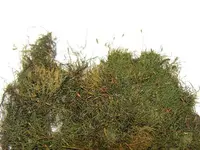
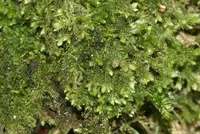
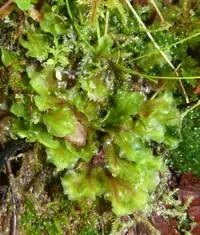
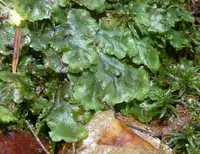
Ring pellia (Pellia neesiana) is a small aquatic liverwort often used in aquariums and paludariums for a natural, moss-like carpet effect. It forms thin, flat, ribbon-shaped fronds that spread over rocks, wood, or substrate and create dense, bright green mats.

In nature, it grows along cool, clean streams and moist rocks in parts of Europe and Asia, where water movement and high humidity stay constant. It is generally considered moderate in difficulty, as it prefers stable water conditions, gentle flow, and good water quality. Understanding how to care for Ring Pellia mainly involves keeping it cool, shaded from strong light, and consistently moist or submerged.

Main Plant Requirements

Care Difficulty

Moderate Care

Light Preference

Partial Shade

Water Requirements

Aquatic

Temperature Preference

Cool Climate

Hardiness Zone

Unknown

Soil Texture

Silty, Peaty, Organic-rich

Soil pH

Acidic (5.5–6.5), Slightly acidic (6.5–7.0)

Soil Drainage

Waterlogged tolerant

Fertilization

Minimal (feed rarely)

Get Personalized Care Plan

Scan your plant to receive care tips personalized for your specific plant

Available on iOS and Android

How to Care for the Ring Pellia

Pellia neesiana thrives in low to moderate light that mimics shaded stream banks.

  • Provide 2–4 hours of gentle morning sun with bright, filtered light for the rest of the day; avoid direct midday or afternoon sun that can scorch the fronds.
  • Grow Ring Pellia in partial to full shade outdoors, such as on the north or east side of rocks, wood, or pond edges.
  • In summer, increase shade or add floating cover; in winter, ensure at least bright open shade to prevent weak, elongated growth.

Pellia neesiana prefers constantly moist conditions and does not tolerate drying out.

  • Aim for continuously moist substrate or shallow water; do not allow the surface to dry, as fronds quickly become dull, brittle, and curl at the edges.
  • Use fine-grained, well-rinsed sand or gravel with gentle water movement to prevent stagnation, algae buildup, and root suffocation.
  • In warmer months, watch for rapid evaporation and shrinking mats; in cooler seasons, reduce flow or depth slightly to prevent decay from cold, stagnant water.

This liverwort prefers cool to mild temperatures and declines in extremes.

  • Aim for 60–72°F (16–22°C) for strongest growth, with steady, moderate conditions rather than large daily swings.
  • Tolerates down to about 41–45°F (5–7°C) for short periods but is damaged by hard frost; avoid freezing water or exposed ice on colonies.
  • Above 77–82°F (25–28°C), growth slows and fronds may detach; provide shading, higher humidity, and increased aeration to limit heat stress.

This liverwort prefers consistently high humidity similar to cool, shaded stream margins.

  • Aim for 70–90% humidity to keep mats dense and actively growing.
  • Dry air causes curling, browning edges, and fragment break-up in Ring Pellia patches.
  • Increase humidity by placing culture trays in covered, ventilated setups or using shallow water reservoirs that do not submerge the thallus.

This species grows best attached to stable, constantly moist substrates rather than traditional potting soil.

  • Use fine, organic-rich material such as decomposed leaf litter, mud, or aquasoil capped with small gravel to anchor the thallus.
  • Keep the substrate saturated but not smothering; gentle water movement or frequent refreshment prevents anaerobic, oxygen-poor conditions.
  • Slightly acidic conditions around pH 5.5–6.5 support healthy Pellia neesiana growth and limit mineral crusting on surfaces.
  • Avoid compacted, sandy, or highly alkaline substrates, which dry quickly, accumulate salts, and cause tissue bleaching and dieback.

This species adapts well to shallow containers, trays, or aquaria where constant moisture is easy to manage.

  • Choose wide, shallow containers that allow horizontal spreading while keeping the thallus within 2–3 cm of the water surface or substrate.
  • Use stable, heavier containers if water-filled, so the spreading mat does not shift or float when disturbed.
  • Line the container base with a thin, even substrate layer so water flows uniformly and does not create stagnant pockets under the mat.

Pellia neesiana is a low-nutrient liverwort, so fertilization should be very light and carefully controlled.

  • Use a dilute balanced liquid fertilizer (around 10-10-10) at 1/4–1/8 strength to avoid burning the delicate thalli.
  • Feed only during active growth in spring–summer, about every 4–6 weeks, and skip doses if growth already looks strong.
  • Avoid slow-release pellets or heavy compost, which can foul water and promote algae around Ring Pellia.
  • Stop feeding in autumn–winter, when growth slows, to keep tissues compact and reduce stress.

Pellia neesiana benefits from light pruning to maintain low, healthy mats in aquaria or humid terraria.

  • Trim overlong or shaded thalli during active growth, usually spring–summer, to keep an even, compact carpet.
  • Remove any dead, decaying, or algae-covered sections to reduce rot and keep water quality stable.
  • Use fine scissors or aquascaping tweezers, cutting just above the substrate to limit disturbance of new growth.
  • Discard trimmed material from display tanks to avoid loose fragments drifting and shading other plants.

This liverwort is usually grown attached to hardscape or shallow substrates, so transplanting focuses on repositioning mats rather than classic repotting.

  • Transplant when growth lifts from the substrate, forms very thick layers, or shades other plants and slows overall growth.
  • Choose mild seasons or stable indoor conditions; in aquaria, move Pellia neesiana when water parameters are not changing.
  • Gently lift small sections, keeping clumps intact, and reattach to stone, wood, or mesh using fine thread or plant glue.
  • Limit handling time, keep tissues moist, and avoid crushing the thin thalli to reduce transplant shock and faster re-establishment.

Pellia neesiana is commonly propagated vegetatively, as each small fragment can form a new colony under suitable conditions.

  • Use division by gently tearing or cutting healthy thalli into small pieces, avoiding mushy or algae-covered parts.
  • Carry out propagation in stable, warm conditions, typically in spring or during steady indoor growth.
  • Secure fragments onto stone, wood, or mesh so they do not float away or move in water flow.
  • Provide gentle water movement, moderate light, and clean, low-nutrient conditions to encourage firm attachment and steady spread.

In indoor aquaria or terraria, this species needs minimal specific winter care as long as environmental conditions remain stable.

  • Maintain stable water or air temperatures, ideally above 60°F, since sudden cold drops can damage delicate thalli.
  • For outdoor culture, move containers indoors before frost, as the plant is not reliably frost-hardy in shallow setups.
  • Avoid large seasonal light reductions; adjust artificial lighting duration to support consistent, slow winter growth.

Care Tips

Anchor To Hardscape

Gently press small portions onto lava rock, driftwood, or mesh using fishing line or fine thread for 1–2 weeks so the thallus attaches firmly and resists being lifted by water flow.

Control Algae Competition

Limit direct light on the clumps, keep nutrient levels moderate, and manually remove visible filamentous algae with tweezers so slow-growing thalli are not overgrown and shaded out.

Thin For Water Flow

Regularly trim and remove older, shaded inner pads so water can move through the patch, which improves gas exchange and reduces detritus buildup around the plant.

Use Gentle Filtration

Choose a filter that provides steady but not turbulent flow across the colony, and place it where the current passes over but does not blast the fronds, preventing mechanical damage.

Quarantine New Additions

Hold any new aquatic plants in a separate tank for 1–2 weeks to observe for pests, snails, or algae before introducing them, which reduces contamination risk when growing Ring Pellia in display aquaria.

Common Pests and Diseases

Algae overgrowth

This problem appears as bright green, slimy films that smother the thallus and block light, especially in high‑nutrient, high‑light aquariums or paludariums. Symptoms include reduced growth, dull color, and gradual dieback where algae is thickest.

Solution

Reduce lighting intensity or duration to about 6–8 hours, cut back excess nutrients by adjusting feeding and water changes, and increase water flow around the Ring Pellia mats. Manually remove algae with a soft brush or siphon during water changes, and avoid strong algicides that can damage liverwort tissue.

Cyanobacteria (blue‑green slime)

This disease shows as dark blue‑green, slimy sheets or clumps that spread quickly over the thallus and substrate in stagnant or nutrient‑imbalanced systems. This pest organism can cause rapid tissue suffocation and foul odor.

Solution

Improve water circulation and oxygenation, reduce organic waste with more frequent water changes, and manually siphon off as much cyanobacteria as possible. In persistent cases, use a targeted aquarium‑safe cyanobacteria treatment and temporarily lower light intensity while monitoring the Pellia for stress.

Detritus worm grazing

These invertebrates live in mulm and organic debris and may graze soft Pellia tissue when populations are very high, especially in low‑flow, overfed tanks. Symptoms include ragged thallus edges and slow thinning of mats in areas with accumulated debris.

Solution

Reduce feeding, vacuum substrate regularly, and increase water movement so detritus does not settle in the Pellia clumps. Physically rinse or swish the liverwort gently in tank water during maintenance to dislodge excess worms without exposing the plant to tap water shock.

Snail feeding damage

These animals can rasp soft tissue, leaving transparent patches, holes, or uneven edges on the thallus, particularly when other food sources are limited. Symptoms include visible bite marks and gradual loss of dense cushion structure.

Solution

Limit populations of plant‑eating snails by manual removal, snail traps, or introducing only small numbers of more plant‑safe species. Provide alternative food sources like algae wafers and blanched vegetables, and keep Pellia attached to hardscape in high‑flow zones where snails are less likely to sit and graze continuously.

Fungal melt

This disease occurs when newly introduced or stressed thalli rapidly turn translucent, soften, and decay, often covered by fine white or gray fungal growth. Symptoms include disintegration of older tissue while any healthy tips remain firmer and greener.

Solution

Remove all decaying and fungus‑covered pieces promptly to protect remaining healthy fragments, and improve water cleanliness with regular partial changes and good filtration. Stabilize parameters (temperature, pH, hardness) and lighting, and reattach only firm, green segments to hardscape so that growing Ring Pellia can recover from healthy tissue.

Interesting Facts

Preference for clean water

This liverwort is unusually sensitive to nutrient enrichment and pollution, so it is most often found in cool, clean, oligotrophic streams and seepage areas where water chemistry is very stable.

Distinct ringed growth

Its common name ring pellia refers to the way its flattened thallus often forms curved, ring-like patches along submerged or wet rock surfaces.

Cold-adapted distribution

The species has a mainly temperate to cool-temperate distribution across Europe and Asia, reflecting an adaptation to cool, well-oxygenated freshwater habitats rather than warm or stagnant waters.

FAQs about Ring Pellia

Growth is moderate under stable, cool, high-humidity conditions. In aquaria or terraria it can slowly form a dense carpet over several months. Growth rate drops sharply with unstable water parameters, poor water flow, or insufficient dissolved nutrients.

Grow Healthy Plants with Botan Care

Keep your plants happy and healthy with plant identification, disease detection, and easy care guidance.

Botan plant care app — identify plants on mobile

Explore More Plants