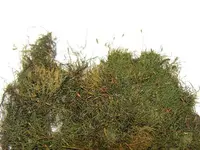
Hairy Threadwort Care (Blepharostoma trichophyllum)

Hairy Threadwort

About Hairy Threadwort

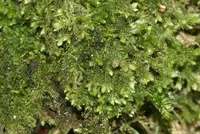
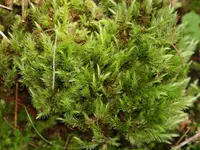
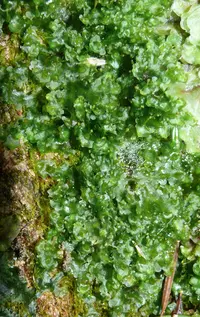
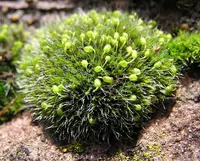
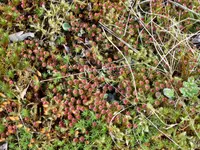
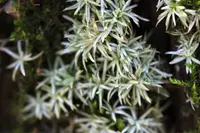
Hairy threadwort, Blepharostoma trichophyllum, is a tiny leafy liverwort that forms low, delicate mats on moist bark, rocks, and soil. It is often found in cool, humid forests across temperate and boreal regions in the Northern Hemisphere. The plant has very fine, threadlike shoots with deeply divided leaves that give it a soft, feathery look. Its small size and preference for stable moisture make it sensitive to drying winds and irregular watering. For those learning how to care for Hairy Threadwort, it is best treated like a moisture-loving moss, with constant gentle humidity, soft light, and a consistently damp but not flooded substrate.


Main Plant Requirements

Care Difficulty

Hard Care

Light Preference

Shade

Water Requirements

Keep Soil Moist

Temperature Preference

Cold Hardy

Hardiness Zone

2–8

Soil Texture

Peaty, Organic-rich, Silty

Soil pH

Strongly acidic (4.5–5.5)

Soil Drainage

Waterlogged tolerant

Fertilization

Minimal (feed rarely)

Get Personalized Care Plan

Scan your plant to receive care tips personalized for your specific plant

Available on iOS and Android

How to Care for the Hairy Threadwort

This tiny liverwort prefers consistently dim, cool light similar to a shaded forest floor.

  • Provide 0–2 hours of weak, indirect light per day, such as deep shade or light filtered through dense canopy or structures.
  • Hairy Threadwort tolerates full shade and grows best on constantly moist, north-facing banks, rotting wood, or rock in low light conditions.
  • Protect from direct midday or afternoon sun, which can desiccate the thin fronds and substrate within hours, especially in dry or windy weather.

This species requires constant surface moisture and is very sensitive to drying out.

  • Keep the substrate consistently damp; it should feel cool and moist to the touch at all times, never crusted or dusty on top.
  • Use soft, low-mineral water to lightly moisten once the surface loses its sheen, avoiding standing water that causes sour smell, algae, or slimy patches.
  • In warm or windy weather, mist or trickle water more often; in cool, still conditions, reduce input so Blepharostoma trichophyllum does not sit in stagnant, waterlogged sites.

This moss-like liverwort prefers cool, humid conditions and declines in heat or hard frost.

  • Aim for 45–60°F (7–16°C) as an ideal range; growth slows above 65°F (18°C) and plants may stress in prolonged warmth.
  • Tolerates brief dips to around 25–30°F (-4 to -1°C) under snow or high humidity, but exposed, dry frost can kill delicate shoots.
  • In summer, keep sites shaded and moist; when temperatures exceed 70°F (21°C), increase humidity and airflow to limit heat stress and drying.

This miniature liverwort prefers consistently high humidity close to its native woodland and bog habitats.

  • Maintain 70–95% humidity; use a closed terrarium, humidity dome, or covered propagation tray for stable conditions.
  • Dry air causes frond curling, pale or brown shoot tips, and slowed spread across the substrate.
  • Increase humidity by misting the surrounding environment, placing trays with moist sphagnum nearby, or partially covering the container for moisture retention.
  • Hairy Threadwort tolerates only brief dips below 60% humidity before desiccation damage appears.

This species grows best on consistently moist, fine-textured, organic-rich substrates rather than standard potting soil.

  • Use a mix of finely milled sphagnum peat or coco coir with 20–30% fine sand to mimic damp forest floor and rock crevice conditions.
  • Aim for slightly acidic conditions around pH 5.0–6.0, which match natural habitats and support healthy thallus growth.
  • Keep the medium evenly moist but never waterlogged; excess standing water quickly depletes oxygen and damages delicate rhizoids.
  • For Blepharostoma trichophyllum, spread a thin layer of the mix over rock, bark, or mesh so water can drain while surfaces stay constantly damp.

This moss-like liverwort is suitable for shallow container culture, especially in covered trays or terrariums.

  • Choose wide, shallow trays that allow horizontal spreading while keeping the substrate layer only 1–2 cm deep to avoid stagnant, air-poor pockets.
  • Select plastic or glazed ceramic containers to slow evaporation so the thin substrate does not dry faster than the plant can tolerate.
  • Elevate the container slightly within a larger water-tight tray so excess water can drain away while ambient moisture around the plant remains high.

Blepharostoma trichophyllum is a tiny, slow-growing liverwort that generally performs well with minimal or no fertilization in low-nutrient, moist substrates.

Blepharostoma trichophyllum requires almost no structural pruning, but light cleaning helps maintain healthy, even mats in cultivation.

  • Carry out any trimming in spring or early summer when growth is most active and recovery is fastest.
  • Gently remove dead, discolored, or decaying patches using tweezers to limit rot and improve air flow.
  • Thin overly dense areas by lifting or pinching small tufts to maintain an even, low mat.
  • Use fine tweezers or small scissors, avoiding tearing the delicate thalli to reduce stress and infection risk.

This liverwort is usually grown on stable substrates such as stone, wood, or shallow trays, so disturbance of Blepharostoma trichophyllum should be minimal.

  • Consider transplanting only when mats detach, substrate decomposes, or waterlogging and slow growth persist despite good care.
  • Plan moves in cool, moist seasons such as early spring or autumn to limit desiccation stress.
  • Every 2–3 years, renew or refresh the substrate rather than handling the plant heavily, maintaining similar moisture and light conditions.
  • Lift thin patches with a spatula or tweezers, transfer onto fresh moist substrate, then keep humidity high and light gentle until reattachment.

Blepharostoma trichophyllum is most often propagated vegetatively, using small fragments of its leafy shoots to start new mats.

  • Take tiny thallus fragments from healthy, vigorously growing patches in spring or early summer.
  • Press fragments lightly onto a consistently moist, sterile, fine-textured substrate under bright, indirect light.
  • Maintain high humidity with a clear cover or propagation box and ensure good air exchange to limit fungal growth.
  • Allow fragments to anchor and spread undisturbed; once new growth thickens, gradually adapt to normal air movement and light levels.

This species is cold hardy across much of its native range and usually needs little targeted winter care when grown outdoors in suitable climates.

  • In very exposed sites, a light mulch around the substrate edges can moderate freeze–thaw swings.
  • Ensure the colony does not dry out completely, as desiccation plus freezing increases tissue damage risk.
  • Container-grown Hairy Threadwort can be overwintered in a cold, frost-free, bright shelter to reduce stress.

Care Tips

Use clean substrates

Establish colonies on rinsed, inert substrates such as lava rock, pumice, or fine bark chips that have been soaked and flushed to remove dust and soluble salts, which helps this tiny liverwort attach and spread without chemical stress.

Create sheltered microclimates

Place culture trays or terraria inside a larger open container or on a shaded lower shelf to buffer rapid air movement and drafts, which helps maintain the stable, cool, moist boundary layer this species needs to stay hydrated.

Gentle misting technique

Mist with a very fine spray directed above and to the side of the mats so droplets fall like light fog rather than hitting directly, which prevents the delicate threads from being physically displaced or torn.

Careful colony division

When expanding a patch, lift small sections with a flat blade or label, keeping the underlying substrate intact, then press them gently onto the new surface so the rhizoids stay attached and re-establish quickly.

Monitor moss companions

Allow only low, fine mosses to coexist and periodically trim or thin any taller, faster-growing bryophytes so they do not shade out or overrun the much shorter shoots when growing Hairy Threadwort.

Common Pests and Diseases

Bryophyte rust fungus

This disease causes scattered orange to brown pustules on leafy shoots and can weaken dense mats in consistently wet, stagnant air conditions. Symptoms include reduced vigor and thinning patches in older colonies.

Solution

Remove and discard heavily affected tufts, then increase air movement and slightly reduce constant surface wetness without letting the substrate dry out. In collections, avoid overhead misting, space cushions apart, and if needed use a mild sulfur-based fungicide applied at very low dose, testing on a small area first due to the plant’s extreme sensitivity.

Filamentous green algae

This problem appears as slimy green strands or films over the moss surface, especially under high light and nutrient-rich water. These algae can smother the tiny shoots and block light, slowing growth or killing delicate patches.

Solution

Manually siphon or gently brush away algae and reduce dissolved nutrients by refreshing water with low‑nutrient, soft water. Lower light intensity slightly, increase water movement, and avoid fertilizer contact with the colony surface when growing Hairy Threadwort in terraria or aquaria.

Slugs and snails

These pests feed on soft tissue in moist, shaded environments and may graze off entire cushions overnight. Symptoms include irregular bare spots, ragged margins, and mucus trails on or around the colony.

Solution

Hand-pick slugs and snails during evening or early morning and use physical barriers such as copper tape or rough mineral borders around cultivated patches. In outdoor or cold-frame culture, reduce hiding sites by removing debris and, if necessary, use iron phosphate bait placed away from the moss surface to limit direct contact.

Fungal damping-off

This disease affects freshly established or regenerated shoots, causing sudden collapse and brown, water-soaked patches at the base in overly saturated, poorly ventilated conditions. Symptoms include rapid melting of new growth and a sour or musty smell from the substrate.

Solution

Improve ventilation, lower overall moisture slightly, and avoid continuous waterlogging by using a well-drained, acidic substrate. Remove soft, rotting material promptly and, in propagation setups, sterilize tools and containers and consider a light rinse with boiled then cooled water to reduce pathogen load without harsh chemicals.

Interesting Facts

Miniature leafy liverwort

This species forms extremely small, flat mats of branching shoots only about 0.2–0.5 mm wide, with each shoot bearing delicate, threadlike leaf lobes that give the plant a feathery, fringed appearance under magnification.

Arctic to temperate range

It has an exceptionally wide distribution, occurring from arctic and boreal regions down into cool temperate forests, where it grows on decaying wood, humus-rich soil, and moist rock, especially in shaded, undisturbed habitats.

Asexual gemma production

Besides sexual reproduction, it commonly spreads by tiny clonal structures called gemmae, which break off from the parent plant and help it quickly colonize suitable, humid substrates such as rotting logs and peaty soil.

Botan icon

Did you know?

This liverwort is considered an important early colonizer of decaying wood in cool, moist forests, where its thin mats help retain moisture, create microhabitats for microorganisms and small invertebrates, and contribute to the early stages of forest floor soil formation.

FAQs about Hairy Threadwort

This liverwort performs best outdoors in cool, humid, shaded environments such as rock crevices, rotting logs, or shaded soil. Hairy Threadwort indoor care is challenging because indoor air is usually too dry and warm for stable growth.

Grow Healthy Plants with Botan Care

Keep your plants happy and healthy with plant identification, disease detection, and easy care guidance.

Botan plant care app — identify plants on mobile

Explore More Plants