octoblepharum moss Care (Octoblepharum albidum)

Also known as: white octoblepharum moss
octoblepharum moss

About octoblepharum moss

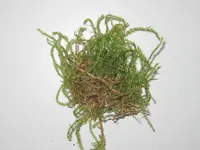
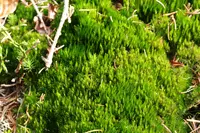
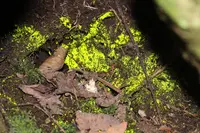
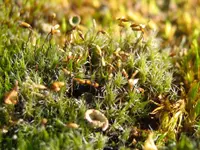
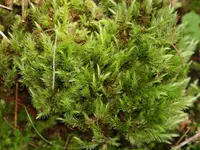
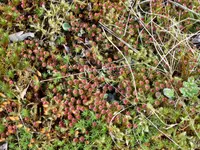
Octoblepharum albidum, often called octoblepharum moss, is a small tropical moss that forms dense, cushion-like clumps. Its upright, spiraled leaves give it a slightly starry, tufted look.

This moss commonly grows on soil, rocks, and tree bases in warm, humid regions of the Americas, Africa, and parts of Asia. It is relatively adaptable but prefers consistently moist conditions and gentle, indirect light.

Because it tolerates some dryness and disturbance, it is considered moderately easy to grow under stable indoor or terrarium conditions. Understanding how to care for octoblepharum moss mainly involves keeping moisture steady without waterlogging the plant.

Main Plant Requirements

Care Difficulty

Moderate Care

Light Preference

Partial Shade

Water Requirements

Keep Soil Moist

Temperature Preference

Tropical / Frost Sensitive

Hardiness Zone

10–12

Soil Texture

Peaty, Organic-rich, Loamy

Soil pH

Strongly acidic (4.5–5.5), Acidic (5.5–6.5)

Soil Drainage

Moist but well-drained

Fertilization

Minimal (feed rarely)

Get Personalized Care Plan

Scan your plant to receive care tips personalized for your specific plant

Available on iOS and Android

How to Care for the octoblepharum moss

This moss prefers gentle, filtered light similar to a shaded forest floor.

  • Provide bright shade or dappled light, such as under shrubs or trees, with 1–3 hours of early morning sun and no harsh afternoon sun to prevent bleaching and drying of octoblepharum moss cushions.
  • Aim for locations that receive indirect light for 6–8 hours, for example on the east or north side of structures, avoiding exposed south-facing rock or soil surfaces.
  • In hot summers, increase shade or add light mulch to reduce leaf litter glare, and in winter ensure it still receives soft, open shade rather than deep darkness.

This moss thrives with steady surface moisture but poor tolerance for waterlogged conditions.

  • Keep the substrate consistently moist to the touch, allowing only the top 1–2 mm to begin drying before the next rainfall or misting, especially during active growth.
  • Use well-drained, humus-rich soil or decaying wood so excess water drains away within a few hours, reducing the risk of rot in Octoblepharum albidum colonies.
  • In hot, dry periods, mist once or twice a day if rainfall is low, watching for crisp, pale patches as a sign of underwatering and slimy, dark patches as a sign of overwatering.

This moss is adapted to warm, humid climates but reacts poorly to frost and extreme heat.

  • Support best growth at 68–82°F (20–28°C), which matches typical lowland tropical and subtropical conditions where this species naturally spreads.
  • Protect it from temperatures below 40°F (4°C); brief dips slightly lower may be survived, but repeated frosts can kill exposed cushions and dry out rhizoids.
  • Limit exposure to prolonged heat above 90°F (32°C) by increasing shade and humidity, since very hot, dry conditions cause rapid browning and dormancy.

This moss prefers consistently moist, humid air to maintain dense, healthy cushions.

  • Aim for 60–90% humidity; it tolerates brief dips but dries and thins quickly below 40%.
  • Crisping tips, pale patches, and slowed growth indicate humidity is too low or drying is too rapid.
  • Use a closed terrarium, humidity dome, or frequent fine misting to keep octoblepharum moss evenly moist without waterlogging.

For sustained growth, this moss needs a loose, moisture-retentive but well-aerated substrate rather than typical potting soil.

  • Use a base of fine-textured, organic-rich material such as milled sphagnum, leaf mold, or coco coir with 20–30% fine sand for structure.
  • Ensure the substrate stays evenly damp but not waterlogged; it should drain freely while holding surface moisture.
  • Aim for slightly acidic conditions, roughly pH 5.0–6.5, which match typical forest floor habitats of Octoblepharum albidum.
  • Avoid dense, peat-heavy mixes or heavy garden soil that compacts, as these reduce aeration and cause stagnant, anaerobic patches.

This species can be grown in shallow containers or terrariums where moisture and airflow are carefully managed.

  • Choose a wide, shallow dish so the moss forms an even carpet and excess water spreads rather than pooling deeply.
  • Select glazed ceramic or plastic containers to slow evaporation and keep surface moisture stable between misting or watering.
  • Raise the container slightly on spacers so any drainage holes clear the shelf surface and residual water can escape quickly.

This moss has very low nutrient demands and generally grows best with minimal fertilization.

  • Use a highly diluted balanced liquid fertilizer (around 1/8–1/4 strength, such as 10-10-10) only if growth appears pale or weak.
  • Apply at most once every 6–8 weeks during active growth in warm, bright, moist conditions.
  • Avoid feeding in winter or when growth is slow, as excess nutrients can damage fine rhizoids and encourage algae.
  • Rely mainly on clean rainwater or low-mineral water; skip compost and heavy slow-release products for octoblepharum moss.

Octoblepharum albidum needs only light grooming rather than true pruning.

  • Trim away brown, dead, or moldy patches with small scissors during active growth for quickest recovery.
  • Remove loose debris, fallen leaves, or crowded, decaying tufts to maintain airflow and an even carpet.
  • Lift and thin very dense cushions in small sections to reduce moisture buildup and the risk of rot.
  • Disinfect tools with alcohol before and after use to limit fungal and bacterial transfer between colonies.

This species is usually grown as a carpet on substrates rather than repotted like a typical potted plant.

  • Transplant mats when they detach easily, grow unevenly, or when the substrate becomes compacted or foul-smelling.
  • Carry out transplanting in mild, humid weather or indoors under stable conditions to limit desiccation stress.
  • Move small sheets using a spatula or flat tool, keeping the base and rhizoids intact and moist throughout handling.
  • Place onto fresh, clean, moisture-retentive but free-draining substrate, press gently for contact, then mist frequently until reanchored.

New colonies are most often started by dividing and relocating small mats rather than by spores.

  • Take small clumps from a healthy patch of Octoblepharum albidum in spring or during a warm, humid period.
  • Lay fragments firmly onto fresh, clean, rough-textured substrate such as bark, rock, or low-nutrient soil.
  • Maintain constant surface moisture with frequent fine misting and provide bright, indirect light for steady growth.
  • Avoid thick layers; spread pieces thinly to reduce rot and allow good airflow across the colony surface.

This moss is relatively cold tolerant in mild climates and usually needs little targeted winter care outdoors.

  • In regions with hard frost, grow Octoblepharum albidum in shallow trays that can be moved to a cool, frost-free spot.
  • Keep the substrate barely moist in winter, avoiding both drying out and waterlogging in cold conditions.
  • Use light mulch or surrounding ground cover only to buffer temperature swings, not to bury the moss colony.

Care Tips

Use stable substrate

Anchor the moss onto a rough, stable substrate such as lava rock, unglazed clay, or bark so the rhizoids can grip firmly and form dense, long-lasting cushions instead of sliding off smooth surfaces.

Control air movement

Place moss colonies away from strong drafts, fans, or HVAC vents, since constant air movement accelerates drying and forces you to mist too often, which can destabilize the cushions.

Gentle cleaning routine

Every few weeks, tilt the container and rinse the moss gently with soft, low-mineral water to wash off dust and debris that block light and reduce photosynthesis, then let excess water drain completely.

Fragment propagation method

To expand a colony, gently tear small tufts into 0.5–1 cm fragments and press them lightly onto fresh moist substrate, keeping them in consistently humid air until the pieces reattach and spread.

Seasonal light adjustment

In bright climates, shift containers slightly deeper into shade or under a translucent cover in summer and then nearer to bright, indirect light in winter to keep light levels moderate and stable when growing octoblepharum moss.

Common Pests and Diseases

Mite infestation

This pest often appears on stressed or overly dry cushions, where fine webbing and a dull, grayish look to the moss can develop. Symptoms include reduced vigor and uneven, patchy drying of the gametophytes (the green photosynthetic shoots).

Solution

Increase ambient humidity and lightly mist with clean, non-chlorinated water, then rinse the moss under a gentle stream to remove mites mechanically. For persistent issues in octoblepharum moss indoor care, use insecticidal soap at low concentration, applying with a fine spray and then rinsing after a few hours to minimize residue buildup on the moss surface.

Fungus gnat larvae

This pest affects moss grown in very moist, organic-rich substrates, where larvae feed on decaying material and fine rhizoids, causing thinning patches and slow decline. Symptoms include tiny black adult gnats flying over the planting and a spongy, over-wet surface.

Solution

Allow the surface to dry slightly between misting, improving drainage and reducing standing water. Use yellow sticky traps to reduce adult numbers and, if needed, drench the substrate with a biological control containing Bacillus thuringiensis israelensis (Bti), which targets larvae without harming the moss when used as directed.

Algal overgrowth

This condition occurs when green or bluish films or crusts of algae spread over the substrate or moss surface under constant high moisture and strong light. Symptoms include slippery surfaces, reduced gas exchange, and smothered, weakened moss cushions.

Solution

Reduce light intensity slightly and shorten the daily light period, while maintaining moderate but not saturated moisture. Gently brush or rinse away algal films, improve air movement, and avoid nutrient-rich water or fertilizers, which encourage algal growth more than moss growth.

Sooty mold

This disease develops as a blackish, powdery coating on moss surfaces where sugary residues from nearby plants or insect honeydew accumulate. Symptoms include reduced photosynthesis, slower growth, and a dirty appearance that does not rinse off easily in one pass.

Solution

Identify and control any sap-feeding insects on nearby plants so that honeydew stops falling on the moss, then rinse the moss under gentle water and, if needed, lightly agitate with a soft brush to dislodge the mold. Improve air circulation and reduce excess organic debris so the surface dries slightly between waterings, which discourages further fungal growth.

Interesting Facts

Rosette-like moss shoots

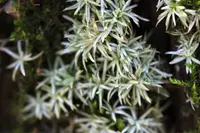
This species forms compact, radiating rosettes of erect shoots that give patches a starry, cushion-like appearance distinct from many feathery carpet mosses.

Light-colored leaf tips

The whitish to pale leaf tips are caused by strongly thickened and often hyaline cells, creating a characteristic frosted look that helps reflect excess light in exposed microhabitats.

Pantropical distribution pattern

It is a pantropical moss recorded across tropical regions of the Americas, Africa, Asia, and Oceania, typically occurring on soil or rock in open, seasonally dry habitats such as disturbed ground and road banks.

FAQs about octoblepharum moss

Brown leaf tips or whole patches usually indicate drying from low humidity, strong air movement, or missed watering. Prolonged direct sun, fertilizer residue, or compacted substrate can also scorch tissues. Rehydrate gently and improve moisture and shade levels.

Grow Healthy Plants with Botan Care

Keep your plants happy and healthy with plant identification, disease detection, and easy care guidance.

Botan plant care app — identify plants on mobile

Explore More Plants