aulacomnium moss Care (Aulacomnium palustre)

Also known as: ribbed bog moss, bog bead-moss
aulacomnium moss

About aulacomnium moss

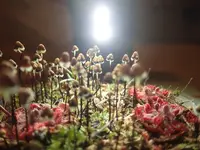
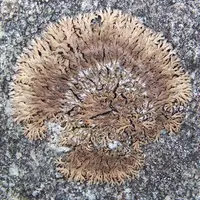
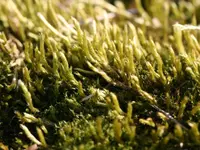
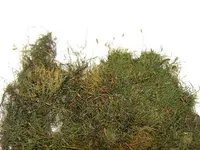
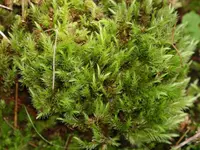
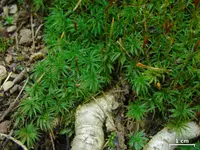
Aulacomnium palustre, often called bog groove moss or ribbed bog moss, is a small, upright, cushion-forming moss. It produces dense, bright green tufts with fine, grooved stems and narrow leaves. Mature patches can look like soft, miniature forests. This species naturally occurs in cool, wet habitats such as bogs, fens, peatlands, and wet woodland edges across the Northern Hemisphere. It prefers consistently moist, acidic substrates and tolerates low nutrients and cool temperatures, which makes it relatively forgiving if kept damp and shaded. For those learning how to care for aulacomnium moss, its main needs are steady moisture, indirect light, and protection from drying winds or strong sun.

Main Plant Requirements

Care Difficulty

Moderate Care

Light Preference

Partial Shade

Water Requirements

Aquatic

Temperature Preference

Cold Hardy

Hardiness Zone

2–8

Soil Texture

Peaty, Silty, Organic-rich

Soil pH

Strongly acidic (4.5–5.5), Acidic (5.5–6.5)

Soil Drainage

Waterlogged tolerant

Fertilization

Minimal (feed rarely)

Get Personalized Care Plan

Scan your plant to receive care tips personalized for your specific plant

Available on iOS and Android

How to Care for the aulacomnium moss

This moss prefers cool, moist, low to moderate light conditions similar to bog and wet woodland edges.

  • Provide bright shade or dappled light with 2–4 hours of gentle morning sun; avoid harsh midday and afternoon sun that can scorch cushions and dry substrates.
  • Grow aulacomnium moss where taller plants or terrain give filtered light; it tolerates deep shade but growth becomes looser and more open with prolonged low light.
  • In summer, increase shade or use light filtering when sun intensity rises; in winter, allow more open sky exposure to compensate for weak light and short days.

This bog moss requires consistently moist to saturated conditions and does not tolerate drying out.

  • Maintain substrate that stays damp to wet at all times; surface should feel cool and moist, never crusted or dusty dry, even in the top 1–2 cm.
  • If Aulacomnium palustre is in a naturalistic bed or bog garden, watch for pale, brittle shoots as a sign of drying; increase watering or capillary water supply immediately.
  • Reduce surface flooding in cold winter while keeping the root zone saturated; avoid stagnant, foul-smelling water, which signals poor drainage and potential dieback.

This species is cold hardy and adapted to cool, moist climates with moderate summer temperatures.

  • Optimal growth occurs around 45–65°F (7–18°C); it continues to function slowly outside this range as long as moisture is constant and light is gentle.
  • The moss survives well below 32°F (0°C), tolerating freezing and snow cover; hard frost is usually safe if the substrate stays moist and does not repeatedly freeze–thaw.
  • Heat above 80°F (27°C), especially combined with full sun and drying winds, stresses cushions; increase shade, humidity, and surface moisture during hot spells to limit damage.

This moss prefers consistently cool, very humid air similar to bog conditions.

  • Aim for 70–95% humidity using a closed terrarium, cloche, or covered tray system.
  • Tolerates brief dips to 50–60% humidity but edges brown and tips curl if air stays drier.
  • Increase humidity by using a water reservoir with pebbles under the moss and misting lightly without saturating the cushions.

This species thrives in saturated, organic, peat-like substrates rather than typical potting soil.

  • Use a mix of 70–90% sphagnum peat or coconut coir with fine sand to mimic boggy, spongy ground.
  • Keep the substrate constantly wet to waterlogged, with slow drainage and a shallow water layer beneath if grown in trays.
  • A slightly acidic pH of 4.5–6 suits Aulacomnium palustre, which naturally occupies peat bogs and wet heaths.
  • Avoid mineral-heavy, compacted, or strongly alkaline mixes that dry out quickly or form a crust on the surface.

This species is suitable for shallow container culture if moisture is kept high and constant.

  • Choose a wide, shallow tray or bowl to allow creeping spread while keeping the whole surface evenly moist.
  • Use a container that permits a permanent water reservoir below the substrate without the moss sitting directly in deep water.
  • Opaque or thick-walled containers reduce side evaporation, helping maintain the saturated conditions this moss prefers.

This moss is adapted to nutrient-poor substrates and usually needs no additional fertilizer under normal conditions.

Aulacomnium palustre needs only minimal pruning to keep cultivated patches neat and healthy.

  • Best time for any grooming is during active growth in spring or early summer, when recovery is fastest.
  • Pinch or trim away dead, browned, or damaged tufts with small scissors to limit decay and mold.
  • Thin out crowded, overly thick clumps to improve air flow and maintain an even carpet-like surface.
  • Avoid cutting too close to the substrate; leave short green tips so the moss can regrow smoothly.

This species is usually grown on outdoor substrates, so focus on gentle transplanting rather than frequent repotting.

  • Transplant when mats become overly dense, growth slows, or you want to extend coverage to new moist areas.
  • Best timing is in cool, consistently damp weather in spring or early fall to limit moisture stress.
  • Lift shallow clumps with attached substrate, keeping rhizoids and underlying soil or peat intact.
  • Press sections onto the new site, water thoroughly, then maintain high humidity and even moisture until established.

Aulacomnium palustre is commonly multiplied by division of mats and small stem fragments rather than by spores in home culture.

  • Best season is spring or early fall, when conditions are cool and soils stay evenly moist.
  • Gently tear or cut living mats into small sections, keeping some substrate attached under each piece.
  • Lay fragments on acidic, moisture-retentive media, press lightly for good contact, and mist thoroughly.
  • Maintain high humidity, bright indirect light, and constant moisture to encourage steady new shoot formation.

This moss is cold hardy in most temperate climates and usually needs no special winter care outdoors.

  • Established mats tolerate freezing and snow cover, resuming growth when temperatures rise.
  • In very exposed sites, a light mulch around adjacent plants can reduce drying winds over the moss surface.
  • Container-grown patches can be overwintered in a cold, bright, frost-free spot to prevent repeated freeze–thaw heaving.

Care Tips

Use rain or RO

Collect rainwater or use reverse-osmosis (RO) water to avoid mineral buildup that can stunt cushions and cause brown tips, especially in closed or shallow containers.

Shallow substrate layering

Create a 1–2 cm shallow, even substrate layer over a firm base so the moss rhizoids can anchor well and spread as a continuous carpet without waterlogged pockets.

Cool-season boosting

Plan any division, re-sheeting, or expansion of colonies for cool, moist months so the moss establishes faster and recovers more reliably from handling.

Gentle colony cleaning

Every few months, lightly lift and shake or blow off loose debris and old leaves so light and air reach the stems and mold or algae do not smother the cushions.

Divide and replant

Slice thick cushions into small plugs with a clean blade and space them slightly apart on fresh substrate to quickly colonize new areas and keep older beds from becoming compacted when growing aulacomnium moss.

Common Pests and Diseases

Bryozoan overgrowth

This issue occurs when colonial aquatic invertebrates (bryozoans) settle on dense moss carpets in nutrient-rich, slow-moving water. Symptoms include gelatinous, lumpy patches that feel firm and rubbery compared with the moss.

Solution

Physically remove affected mats, trimming back heavily colonized sections, and reduce water nutrient load by limiting organic debris and runoff. Maintain gentle water movement and, in artificial culture, periodically lift and rinse the moss in clean, cool, low-nutrient water to discourage recolonization.

Algal smothering

This problem develops under high light and excess nutrients, when filamentous or slimy algae overgrow the moss surface. Symptoms include bright green or dark, slippery films that reduce the moss’s visible structure and photosynthetic area.

Solution

Reduce nutrient input by avoiding fertilizer and minimizing decaying organic matter, and slightly decrease light intensity if very strong. Manually rinse and tease off algae in clean, cool water, and increase gentle water flow or periodic flushing in tanks or trays to prevent stagnant, nutrient-rich conditions, which is a key part of Aulacomnium palustre care in cultivation.

Slugs and snails

These pests feed on tender moss shoots in very damp, shaded sites, especially in outdoor or bog garden situations. Symptoms include irregularly grazed patches, slime trails, and thinning cushions in favored feeding zones.

Solution

Hand-pick slugs and snails during cool, damp periods and remove nearby hiding sites such as boards and dense debris. In garden settings, use physical barriers, copper tape, or iron phosphate bait placed away from the main moss patch to lower grazing pressure without contaminating the substrate.

Mite grazing

These insects are actually tiny arachnids that can graze on sporophytes and young leafy shoots, especially in confined, humid culture containers. Symptoms include fine, patchy damage on new growth and reduced spore capsule development.

Solution

Improve air exchange and avoid overcrowded closed containers to make conditions less favorable for dense mite populations. Rinse the moss gently with clean, cool water, and if needed, temporarily submerge the colony for a short period (several hours) to reduce mites without using chemicals.

Interesting Facts

Bog specialist

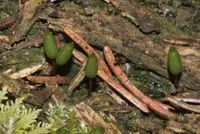
This moss is strongly associated with acidic, nutrient-poor peat bogs and fens, where it often grows on saturated peat, rotting wood, or old stumps that many other mosses cannot tolerate.

Distinctive golden tufts

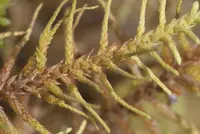
Its shoots form loose, golden-green to yellowish cushions with club-shaped branch tips, a combination that makes it relatively easy to recognize in the field compared with many other small mosses.

Visible clonal spread

The plant often spreads using specialized brood bodies called gemmae that form on short stalks at shoot tips, allowing clonal colonies to expand across wet peat without relying only on spores.

Botan icon

Did you know?

In some boreal peatlands, this species helps stabilize the peat surface and can gradually colonize areas left bare after disturbance, influencing how water and nutrients move through the bog over time.

FAQs about aulacomnium moss

This species spreads slowly to moderately by spores and creeping stems, usually forming soft, low hummocks rather than fast carpets. In gardens or terrariums it is generally easy to contain and is not considered aggressively spreading.

Grow Healthy Plants with Botan Care

Keep your plants happy and healthy with plant identification, disease detection, and easy care guidance.

Botan plant care app — identify plants on mobile

Explore More Plants