atrichum moss Care (Atrichum angustatum)

Also known as: lesser smoothcap, Lesser Smoothcap Moss
atrichum moss

About atrichum moss

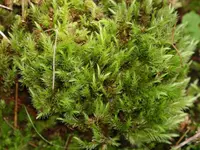
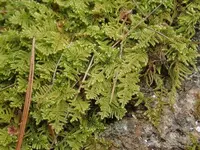
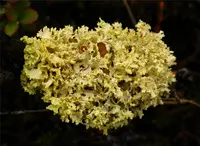
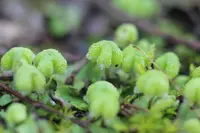
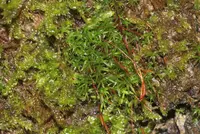
Atrichum angustatum, often called atrichum moss, is a small terrestrial moss that forms loose, upright tufts rather than flat carpets. Its leaves are narrow, stiff, and arranged in a star-like pattern, giving it a distinct, textured look.

This moss is native to many temperate regions and commonly grows on bare soil, banks, woodland paths, and disturbed ground. It tolerates some drying out between rains, which makes it more forgiving than many delicate mosses.

Atrichum angustatum prefers cool to mild conditions, moderate light, and consistently moist but not waterlogged substrates. These traits make it a practical choice for those learning how to care for atrichum moss in simple indoor or outdoor displays.

Main Plant Requirements

Care Difficulty

Moderate Care

Light Preference

Partial Shade

Water Requirements

Keep Soil Moist

Temperature Preference

Cold Hardy

Hardiness Zone

3–8

Soil Texture

Loamy, Silty, Organic-rich

Soil pH

Strongly acidic (4.5–5.5), Acidic (5.5–6.5)

Soil Drainage

Moist but well-drained

Fertilization

Minimal (feed rarely)

Get Personalized Care Plan

Scan your plant to receive care tips personalized for your specific plant

Available on iOS and Android

How to Care for the atrichum moss

This moss prefers cool, bright, indirect light that mimics a lightly shaded forest floor.

  • Provide dappled or filtered light with 2–4 hours of gentle morning sun and shade or high bright shade for the rest of the day.
  • Allow partial shade under deciduous shrubs or trees so atrichum moss receives more light in leafless winters and softer, filtered light in summer.
  • Avoid strong midday or afternoon sun, which can scorch leaf tips and dry the substrate; pale, crispy shoots indicate excess light, while elongated, floppy growth suggests insufficient light.

This moss needs consistently moist conditions without stagnant water.

  • Keep the substrate evenly moist, not waterlogged; the surface should feel damp at all times and never dry out completely.
  • In cool, rainy seasons, rely more on natural moisture; in hot, dry weather, mist or gently water once the surface begins to lose its sheen and feels only slightly damp.
  • Watch for signs of stress: grayish, brittle shoots indicate underwatering, while dark, mushy patches and sour smell suggest poor drainage and overwatering around Atrichum angustatum.

This moss is a cool- to mild-climate species with good cold tolerance.

  • Aim for an active growth range of 50–70°F (10–21°C), where hydration and photosynthesis remain stable.
  • Tolerates winter lows down to about 10–15°F (-12 to -9°C) under natural snow or leaf litter cover, but exposed frozen-thaw cycles can damage upright shoots.
  • Handles short warm spells up to about 80–85°F (27–29°C) if humidity and shade are high; prolonged heat plus full sun leads to drying and dormancy.

This moss prefers consistently moist air but survives in a range of outdoor humidity.

  • Target 60–90% humidity, especially in shallow containers or exposed sites.
  • Tolerates brief drier spells, but fronds dull, curl, or brown at tips under prolonged dry air.
  • Increase humidity with dense planting, nearby water trays, or location near consistently damp ground surfaces.

This species favors moist, acidic, loose substrates that stay aerated yet never waterlogged.

  • Use a mix of 60–70% leaf mold or fine compost with 30–40% sand or fine grit to keep texture open.
  • Aim for pH 4.5–6.0, avoiding lime or alkaline amendments that suppress Atrichum angustatum growth.
  • Maintain steady moisture with a shallow, evenly damp profile rather than deep, saturated pockets.
  • Avoid compacted, heavy clay or peat-only mixes that retain stagnant water and limit oxygen around rhizoids.

This moss can adapt well to shallow container culture when moisture and drainage are controlled carefully.

  • Choose a wide, shallow container so the colony can spread while the thin substrate stays evenly moist.
  • Use a pot with drainage holes plus a coarse base layer to drain excess water quickly yet keep the top layer damp.
  • Select unglazed clay or breathable material if conditions are wet, to prevent prolonged saturation and surface slime.

This moss thrives in low-nutrient sites, so fertilizing Atrichum angustatum is rarely necessary and often not recommended.

Pruning Atrichum angustatum is minimal and mainly for appearance and hygiene rather than growth control.

  • Check mats in early spring or after heavy weather to assess damage or dieback.
  • Gently pinch or trim away brown, decayed, or contaminated patches with small scissors.
  • Remove debris such as leaves or twigs to keep light reaching the moss surface.
  • Avoid cutting deeply into healthy cushions to prevent bare, eroding patches.

Most growers transplant this moss into outdoor beds, rock gardens, or terrariums rather than repotting in traditional containers.

  • Transplant when growth is actively spreading and moisture is reliable, typically in spring or early autumn.
  • Lift thin mats with a spatula or knife, keeping soil and rhizoids attached to reduce stress.
  • Set pieces onto a moist, acidic, free-draining substrate, then press gently for good contact.
  • Mist thoroughly after transplanting and keep evenly moist for 2–3 weeks while new anchoring rhizoids form.

Atrichum angustatum is commonly propagated by division of existing mats rather than from spores in home settings.

  • Plan division in cool, moist weather, preferably in spring or early autumn.
  • Cut or tear mats into small sections, each with healthy green shoots and attached substrate.
  • Lay sections firmly onto a similar acidic, free-draining, consistently moist surface.
  • Maintain high humidity and gentle shade until new growth knits sections together.

This moss is naturally cold hardy across much of its range and usually needs no special winter care outdoors.

  • In-ground colonies tolerate freezing and snow with little damage when moisture is adequate.
  • Avoid heavy foot traffic on frozen or icy moss to prevent mechanical crushing.
  • For containers, move to a shaded, cold but sheltered position to limit freeze–thaw heaving.

Care Tips

Substrate preparation

Before planting, blend fine sand with milled sphagnum or peat and press it firmly so the moss rhizoids can anchor into a stable, slightly rough surface instead of loose, shifting particles.

Fragment propagation

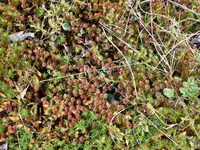
To expand a patch, gently tear small tufts into 1–2 cm fragments and press them onto the prepared substrate, then mist lightly so the fragments stay in contact without being buried.

Seasonal moisture shifts

In outdoor culture, allow slightly drier conditions in midsummer and early winter, then increase misting frequency during cool, moist seasons to match this species’ natural growth rhythm.

Algae and weed control

Regularly lift and remove invading algae films and fine weed seedlings with tweezers or a soft brush to prevent them from smothering the moss cushions and stealing light.

Slow acclimation

When moving trays or colonies between indoors and outdoors, shift light and airflow in stages over 7–10 days to reduce stress and promote stable, long-term success in growing atrichum moss.

Common Pests and Diseases

Slugs and snails

These pests feed on tender moss shoots and capsules, creating ragged, thinned patches in humid, shaded sites where this species often grows. Symptoms include irregular grazing marks, missing cushions, and slime trails on or near the moss.

Solution

Hand-pick slugs and snails in the evening or early morning, and use physical barriers such as copper tape or grit around trays or stone edges if growing Atrichum angustatum in a managed setting. Reduce dense ground litter that shelters them, and where needed, use iron phosphate slug baits placed away from watercourses and applied according to label directions.

Bryophyte-feeding springtails

These insects can graze on delicate new moss tissues in very moist, organic-rich substrates, leading to a slightly ragged surface and slow recovery of newly established patches. This pest is usually most noticeable in confined culture, such as trays or terrariums, where populations build up quickly.

Solution

Lower constant saturation by allowing the substrate surface to air out slightly between mistings and improve ventilation around the moss. If damage persists, rinse the moss gently with clean water to dislodge insects and, in container culture, temporarily relocate undamaged cushions to fresh, well-rinsed substrate while the old medium is allowed to dry down and populations collapse.

Algal overgrowth

This disease-like condition appears when green algae form a slick film over the moss surface, typically on nutrient-enriched, constantly wet substrates in full or near-full light. Symptoms include a shiny green crust that smothers shoots and reduces photosynthesis, leading to thinning and dieback.

Solution

Reduce nutrient input by avoiding fertilizer or runoff from fertilized areas, and lower water frequency so the surface is damp rather than constantly saturated. Increase gentle airflow and, in culture trays, mechanically loosen or gently brush off the algal film, then adjust light to bright but indirect levels to discourage rapid algal regrowth while still supporting how to take care of atrichum moss.

Fungal leaf spot

This disease develops in dense, persistently wet cushions, producing tiny dark or translucent lesions on the leafy shoots and gradual browning of affected areas. Symptoms include patchy dieback starting in the interior of thick clumps where air circulation is lowest.

Solution

Thin overly dense mats to improve airflow and avoid standing water or heavy overhead watering that keeps foliage saturated. Remove and discard strongly affected clumps, then adjust watering to light, frequent misting that allows the moss surface to dry slightly between episodes while maintaining overall cool, moist conditions.

Interesting Facts

Early-succession specialist

This species commonly colonizes recently disturbed acidic soils and roadside banks in eastern North America, helping stabilize bare ground before vascular plants dominate.

Distinctive leaf teeth

Its narrow leaves have strong, rigid teeth along the margins that extend almost to the tip, a feature used by bryologists to distinguish it from similar Atrichum species.

Unique capsule ridges

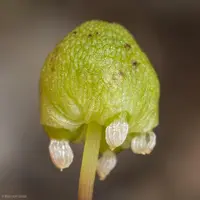
Its mature spore capsules bear characteristic longitudinal ridges and lack a hair point on the lid, which is a key trait for Atrichum angustatum plant care and accurate identification in the field.

Botan icon

Did you know?

Atrichum angustatum is regularly used as a reference species in bryology studies on soil acidity and disturbance ecology, because its presence often indicates both acidic substrates and relatively recent habitat disturbance.

FAQs about atrichum moss

This species performs best outdoors in cool, humid, partially shaded conditions that mimic forest floors or stream banks. Indoors, it is harder to maintain stable moisture and airflow, so growth is typically slower and less dense.

Grow Healthy Plants with Botan Care

Keep your plants happy and healthy with plant identification, disease detection, and easy care guidance.

Botan plant care app — identify plants on mobile

Explore More Plants