


Anchor To Substrate
Press small clumps firmly onto rough, acidic substrates such as lava rock, sandstone, or bark using a plastic mesh or cotton thread for 2–3 weeks to help rhizoids attach and prevent the moss from being washed away.

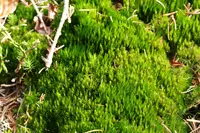
Campylopus flexuosus is a small, tuft-forming moss that creates dense, bright to yellow-green cushions or carpets. Its fine, upright leaves give it a soft, textured look. This moss occurs widely in temperate and tropical regions, often on acidic substrates such as rotting wood, sandy soil, or exposed rock in open, humid habitats. It is relatively adaptable but still prefers consistent moisture, good air circulation, and low to moderate light rather than direct sun. These traits make it moderately easy to grow in controlled conditions if its moisture needs are respected. Understanding how to care for campylopus moss starts with providing a stable, damp environment that does not dry out completely.

Care Difficulty
Moderate Care

Light Preference
Partial Shade

Water Requirements
Keep Soil Moist

Temperature Preference
Cool Climate

Hardiness Zone
Unknown

Soil Texture
Sandy, Loamy, Organic-rich

Soil pH
Strongly acidic (4.5–5.5), Acidic (5.5–6.5)

Soil Drainage
Moist but well-drained

Fertilization
Minimal (feed rarely)
Scan your plant to receive care tips personalized for your specific plant
Available on iOS and Android
This moss prefers soft, filtered light that mimics a forest floor understory.
This species requires consistently moist conditions but suffers if left waterlogged for long periods.
This moss is adapted to cool to mild conditions and tolerates moderate temperature variation.
This moss prefers constantly moist, high-humidity conditions to maintain dense, healthy growth.
Campylopus flexuosus grows best on consistently moist, acidic, airy substrates rather than dense mineral soil.
This species is suitable for shallow containers and terrariums when moisture and drainage are controlled carefully.
This moss is adapted to low-nutrient habitats, so campylopus moss indoor care relies more on water and light quality than on feeding.
Pruning Campylopus flexuosus is mainly cosmetic, helping maintain an even, healthy carpet.
Transplanting is more relevant than true repotting for this moss, which roots shallowly into its substrate.
Propagation of Campylopus flexuosus relies on vegetative spread rather than spores for most growers.
Campylopus flexuosus is generally cold hardy and often needs little specific winter care in temperate climates.

Plant Health Check
Not sure what's wrong with your plant? Check your plant's health inside the app.
This moss is named for its strongly flexuous, or twisted, leaves, which curve when dry and straighten when wet, a trait that helps regulate light capture and water loss on exposed substrates.
It commonly colonizes acidic, nutrient-poor sites such as degraded heathlands, sandy soils, and burned or eroded patches, helping to stabilize the surface and create microhabitats for other organisms.
Mature shoots often show a reddish to brownish central stem with narrow, lance-shaped leaves, a combination that helps bryologists distinguish it from related Campylopus species in the field.

In some Atlantic and temperate regions, dense carpets of this species can dominate open, acidic ground for many years after disturbance, effectively shaping early successional plant communities by influencing moisture retention and seedling establishment for later-arriving vascular plants.
Brown or crispy leaves usually come from drying out, direct hot sun, or strong air movement. Prolonged saturation with stagnant water can also cause browning and decay. Improve moisture balance, airflow, and light intensity, then trim dead patches.
Keep your plants happy and healthy with plant identification, disease detection, and easy care guidance.

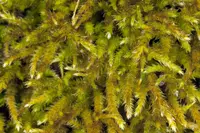
California antitrichia moss
Antitrichia californica
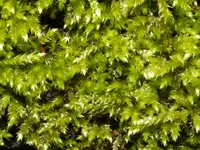
brachythecium moss
Brachythecium rutabulum
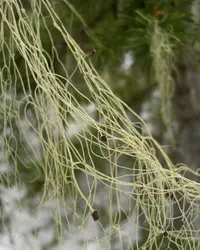
witch's hair lichen
Alectoria sarmentosa
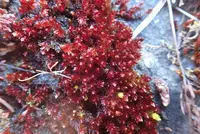
glossy red bryum moss
Bryum miniatum
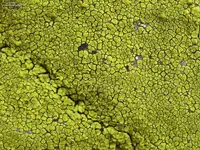
cracked lichen
Acarospora socialis
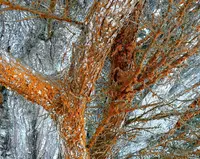
Orange Rock Hair
Trentepohlia aurea
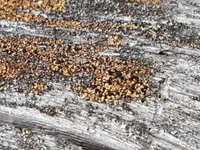
Old-Growth Clam Lichen
Xylopsora friesii
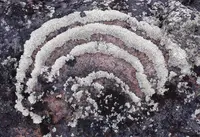
arctoparmelia lichen
Arctoparmelia centrifuga