Use shallow trays
Grow colonies on wide, shallow trays or slabs of rock with 1–2 cm of acidic, low-nutrient substrate to let the mats spread naturally and stay evenly moist without waterlogging the base.

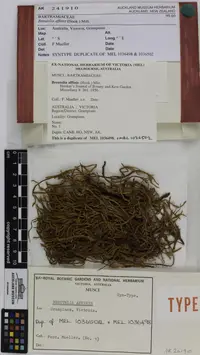
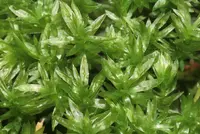
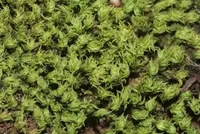
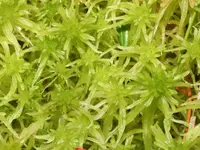
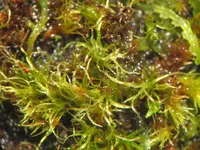
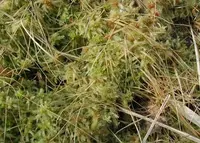
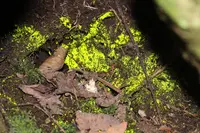
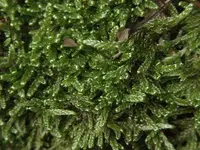
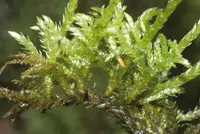
Breutelia affinis is a moss species that forms dense, soft cushions or mats, often bright to yellow-green. It has fine, overlapping leaves that create a plush, carpet-like texture.
This moss typically grows on moist soil, rocks, or decaying wood in humid, often montane environments, especially in tropical and subtropical regions. Its slow, compact growth habit makes it interesting for terrariums and specialized moss displays.
It prefers constant moisture, clean, low-nutrient substrates, and gentle, indirect light. Understanding how to care for Breutelia affinis mainly involves recreating its cool, humid, shaded natural habitat and protecting it from drying out.

Care Difficulty
Moderate Care

Light Preference
Partial Shade

Water Requirements
Keep Soil Moist

Temperature Preference
Warm Climate

Hardiness Zone
Unknown

Soil Texture
Silty, Peaty, Organic-rich

Soil pH
Acidic (5.5–6.5)

Soil Drainage
Waterlogged tolerant

Fertilization
Minimal (feed rarely)
Scan your plant to receive care tips personalized for your specific plant
Available on iOS and Android
This moss prefers bright, indirect light with protection from strong midday sun.
This moss favors consistently moist conditions without long drying periods or stagnant water.
Stable, cool to mild temperatures support the best growth for this moss.
This moss prefers consistently moist, high-humidity conditions to maintain dense, healthy growth.
Breutelia affinis thrives on moist, aerated, organic-rich substrates rather than typical potting soil.
This species can be grown in shallow containers if moisture and stability are carefully controlled.
This moss typically grows on nutrient-poor substrates and Breutelia affinis rarely benefits from additional fertilizer in cultivation.
Pruning needs for Breutelia affinis are minimal and focus on hygiene rather than shaping.
In cultivation, Breutelia affinis is usually managed by relocating mats rather than classic pot repotting.
Propagation of Breutelia affinis is mainly done by division of existing cushions, not from spores in home settings.
Breutelia affinis is generally cold hardy in temperate climates and requires little focused winter care outdoors.

Plant Health Check
Not sure what's wrong with your plant? Check your plant's health inside the app.
This moss is naturally concentrated in cool, humid regions of the Southern Hemisphere, especially in New Zealand and parts of South America, where it forms extensive cushions on soil, rock, and rotting wood in montane forests.
It typically develops dense, tall cushions compared with many other forest mosses, with relatively stout stems and overlapping leaves that help the colony retain moisture in periodically drying environments.
In its native habitats this species contributes to local water regulation by absorbing and slowly releasing rainfall, which helps buffer small forest-floor organisms and nearby seedlings from short-term drying.
This moss spreads gradually by creeping stems and spores, usually forming dense cushions rather than fast-moving mats. It is not typically aggressive, but in consistently moist, shaded sites it can slowly carpet rocks, soil, or rotting wood.
Keep your plants happy and healthy with plant identification, disease detection, and easy care guidance.