campylopus moss Care (Campylopus pyriformis)

Also known as: Dwarf Swan-neck Moss
campylopus moss

About campylopus moss

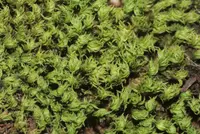
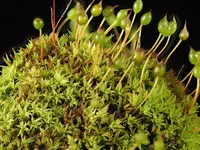
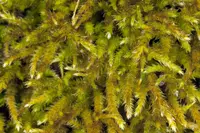
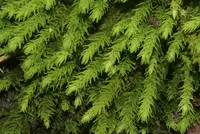
Campylopus pyriformis is a small, tuft-forming moss that creates dense, bright green carpets or cushions. It is a bryophyte, a non-vascular plant that absorbs water through its leaves and stems. The slender, upright shoots give it a soft, velvety texture at ground level.

This moss is widespread in temperate regions, often found on acidic soils, rotting wood, exposed banks, and disturbed forest floors. It prefers consistently moist, cool, shaded to semi-shaded locations and low-nutrient, well-drained substrates.

Its ability to tolerate poor soils and some disturbance makes it moderately easy to establish in suitable conditions. Understanding how to care for campylopus moss mainly involves providing stable moisture, protection from strong sun, and avoiding compaction or heavy foot traffic.

Main Plant Requirements

Care Difficulty

Moderate Care

Light Preference

Partial Shade

Water Requirements

Keep Soil Moist

Temperature Preference

Cool Climate

Hardiness Zone

5–9

Soil Texture

Loamy, Peaty, Organic-rich

Soil pH

Strongly acidic (4.5–5.5), Acidic (5.5–6.5)

Soil Drainage

Moist but well-drained

Fertilization

Minimal (feed rarely)

Get Personalized Care Plan

Scan your plant to receive care tips personalized for your specific plant

Available on iOS and Android

How to Care for the campylopus moss

This moss prefers cool, consistently moist sites with soft, indirect light.

  • Provide bright, filtered light or light dappled shade, such as under trees or beside rocks, with 2–4 hours of gentle morning sun and no harsh midday sun.
  • Campylopus pyriformis tolerates deep shade but grows denser in partial shade; in very dim sites, shoots become pale and elongated as they stretch for light.
  • In hot summers, protect patches from reflected heat and direct afternoon sun to prevent drying and bleaching, especially on exposed banks or logs.

This moss requires consistently moist conditions and does not tolerate long dry periods.

  • Aim for constantly damp but not submerged substrate; in the ground, allow only the top 1–2 cm to start feeling barely less wet before rewetting with a fine spray or gentle flow.
  • In cool, rainy seasons, natural precipitation is usually enough; in dry or windy weather, mist or hose lightly once drying edges or curled tips become visible.
  • Avoid standing water that covers the moss for days, which encourages algae and decay, and note that brittle, crisp shoots signal prolonged underwatering and stress for Campylopus pyriformis.

This species is adapted to cool, temperate climates with moderate seasonal change.

  • Optimal growth occurs around 50–68°F (10–20°C), with steady moisture; growth slows but usually continues in cool, damp, overcast conditions.
  • The moss tolerates short drops near 23°F (-5°C) if kept moist, though repeated hard freezes with drying winds can desiccate and thin the carpet.
  • Heat above 77–86°F (25–30°C), especially with direct sun and low humidity, increases stress; provide shade and extra moisture during hot, dry spells to reduce dieback.

This moss needs consistently high humidity to stay dense and green.

  • Aim for 70–95% humidity, similar to a damp forest floor or shaded stream bank.
  • It tolerates brief dips to 50–60%, but prolonged dry air causes browning tips and thinning patches.
  • Increase humidity with covered terrariums, frequent fine misting, and water trays placed nearby rather than direct overhead splashing.

Campylopus pyriformis prefers moist, acidic, organic-rich substrates that stay damp but not stagnant.

  • Use a mix of fine orchid bark, peat or coconut coir, and a little sand to mimic loose, humus-rich forest soil.
  • Ensure the substrate is soft and springy, so water drains slowly while excess can still escape.
  • Target a slightly acidic pH around 4.5–6.0, avoiding alkaline components like lime or crushed shells.
  • Avoid compacted mineral soils or heavy clay, which hold stagnant water and limit aeration around the rhizoids.

This species adapts well to shallow container culture, especially in terrariums or trays.

  • Choose a broad, shallow container so the moss can spread laterally while the thin substrate remains evenly moist.
  • Use containers made of glass or glazed ceramic to slow evaporation and maintain a stable moisture level in the substrate.
  • Elevate the container or use feet so drainage holes never sit in standing water, preventing the lower moss layer from rotting.

This moss gains most nutrients from its substrate, so additional feeding for Campylopus pyriformis should stay very light.

  • Use a very dilute balanced NPK liquid fertilizer (about 1/8–1/4 strength) only if growth appears pale or weak.
  • Apply during active growth in spring–summer at 4–6 week intervals, never on dry moss.
  • Rinse lightly with water after feeding to reduce salt buildup on the delicate shoots.
  • Avoid slow-release pellets and heavy compost layers, which can smother and burn the moss.

Pruning needs for Campylopus pyriformis are minimal and focus on tidying the moss carpet.

  • Trim browned, dead, or contaminated patches at any time using fine scissors or small snips.
  • Lightly clip uneven, overlong tufts to maintain a low, uniform cushion and encourage denser regrowth.
  • Remove debris, fallen leaves, and algae patches to improve airflow and light penetration.
  • Disinfect tools before use if the moss has shown signs of fungal problems to limit spread.

Transplanting usually matters more than repotting for this moss, which is often grown on rocks, wood, or shallow trays.

  • Transplant when mats detach easily, growth becomes patchy, or the substrate compacts and drains poorly.
  • Choose cool, moist periods in spring or early fall to reduce stress and moisture loss.
  • Lift thin sections of the Campylopus pyriformis mat with as much attached substrate as possible.
  • Press gently onto the new moist, acidic medium and keep humidity high and light moderate until reanchored.

Propagation of this moss is straightforward and relies mainly on division of existing cushions.

  • Divide healthy Campylopus pyriformis mats into small clumps with dense green shoots.
  • Best results occur in cool, humid conditions of spring or early fall with stable moisture.
  • Place clumps onto fresh, acidic, well-drained substrate and press lightly for good contact.
  • Maintain high humidity, gentle airflow, and indirect light until new tips and lateral spread are visible.

Campylopus pyriformis is quite cold hardy in the ground and usually needs little special winter care.

  • In cold climates, allow outdoor colonies to dry slightly between freezes to reduce ice damage.
  • For shallow trays or rocks, move containers to a sheltered, unheated area during prolonged hard frost.
  • Avoid heavy snow or ice accumulation on vertical or steeply sloped moss surfaces by gently brushing it off.

Care Tips

Use acidic substrate

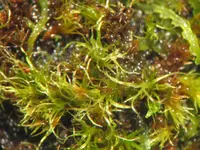
Establish the colony on a stable, acidic base such as long-fiber sphagnum or finely milled pine bark over rock, which helps maintain the low pH this species prefers and anchors its fine rhizoids securely.

Create stable microclimate

Place the moss in a shallow, covered container or terrarium-style setup with side ventilation, which holds moisture and reduces air movement while still preventing stagnant, stale air.

Avoid physical compaction

Handle mats only by their edges and avoid pressing them down, since compression of the shoot cushions reduces internal air spaces and leads to dieback from the base upward.

Rinse with soft water

Every 4–8 weeks, gently flush the colony with low-mineral rainwater or distilled water to wash away dust and dissolved salts that can accumulate on leaf surfaces and inhibit growth when caring for campylopus moss.

Encourage patch expansion

To expand coverage, carefully tear healthy mats into small plugs and space them 1–2 cm apart on fresh substrate, then mist lightly so the torn edges reattach and gradually knit into a continuous carpet.

Common Pests and Diseases

Fungal leaf blight

This disease causes patches of brown, water-soaked, or bleached tissue in the moss cushions, often following prolonged wet and stagnant conditions.

Solution

Remove and discard affected moss patches, thin overcrowded cushions, and increase airflow and light while keeping the substrate just evenly moist; in outdoor or terrarium settings, reduce overhead misting and, if needed, apply a low-dose sulfur or copper-based fungicide around but not directly on the most sensitive growth tips.

Algal overgrowth

This disease-like condition appears as slimy green films or crusts overtopping the moss, shading it and reducing photosynthesis.

Solution

Increase air movement and reduce nutrient-rich water or runoff, gently rinse the surface with clean, low-mineral water, and carefully scrape or pick off thicker algal mats; lowering light intensity slightly and avoiding fertilizer in the water source helps maintain healthy growth when growing Campylopus pyriformis in culture or terraria.

Springtail overpopulation

These insects live naturally in moist moss but can become overabundant in tightly closed containers, disturbing fine new shoots and degrading aesthetics.

Solution

Improve ventilation, briefly allow the surface to dry slightly between waterings, and physically remove excess springtails by flushing with clean water and decanting them off; introducing more ventilation or a small population of natural predators such as isopods in large terraria can help stabilize numbers.

Mite damage

This pest may appear as tiny, mobile dots on the moss surface, with symptoms including dull, roughened shoots and very fine webbing in severe cases.

Solution

Increase ambient humidity slightly while boosting airflow, then rinse the moss thoroughly under a gentle stream of water to dislodge mites; in persistent cases, apply a mild, moss-safe insecticidal soap solution as a brief dip or spray, followed by thorough rinsing with clean water.

Interesting Facts

Fire-disturbed habitat specialist

This species often colonizes recently burned or disturbed acidic soils and open sandy sites, forming dense carpets where vascular plants struggle to establish.

Distinctive leaf papillae

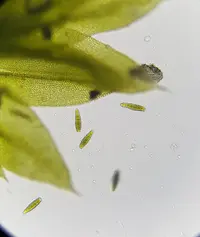
Its leaves have single, large papillae (tiny bumps) on the upper surface, a microscopic feature that helps bryologists distinguish it from closely related Campylopus species.

Wide but patchy distribution

It occurs across much of Europe, parts of Asia, North Africa, and introduced in North America, but tends to appear in scattered, suitable microhabitats rather than forming continuous populations.

Botan icon

Did you know?

This moss has been used as a model taxon in bryological studies on species delimitation, because its variable morphology across habitats has made it a key example in discussions of how to define species boundaries in mosses.

FAQs about campylopus moss

Growth is slow to moderate. In suitable conditions it usually extends 1–3 cm per year, forming denser carpets over several seasons. Growth rate improves with stable moisture, cool temperatures, and minimal disturbance to the substrate surface.

Grow Healthy Plants with Botan Care

Keep your plants happy and healthy with plant identification, disease detection, and easy care guidance.

Botan plant care app — identify plants on mobile

Explore More Plants