horn calcareous moss Care (Mnium hornum)

Also known as: Swan's-neck Thyme-moss
horn calcareous moss

About horn calcareous moss

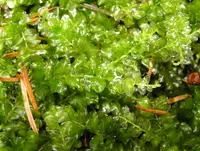
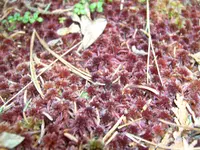
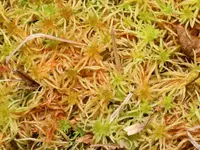
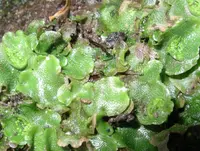
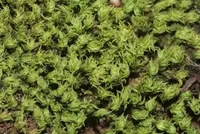
Horn calcareous moss, Mnium hornum, is a low-growing bryophyte that forms soft, bright green carpets on moist, shaded ground. It is commonly found on acidic soils in woodlands, along stream banks, and on damp, decaying logs across parts of Europe and North America.

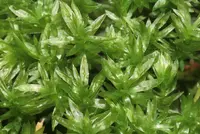
The moss has upright leafy shoots with delicate, translucent leaves that give it a fine, lush texture. It does not produce true roots, relying instead on simple anchoring structures, so it needs stable moisture and protection from drying winds.

These traits make it relatively easy to grow in consistently cool, damp, shaded conditions. Understanding how to care for horn calcareous moss mainly involves providing steady moisture and avoiding strong sun or heavy disturbance.

Main Plant Requirements

Care Difficulty

Moderate Care

Light Preference

Shade

Water Requirements

Keep Soil Moist

Temperature Preference

Cool Climate

Hardiness Zone

5–9

Soil Texture

Loamy, Peaty, Organic-rich

Soil pH

Strongly acidic (4.5–5.5), Acidic (5.5–6.5)

Soil Drainage

Moist but well-drained

Fertilization

Minimal (feed rarely)

Get Personalized Care Plan

Scan your plant to receive care tips personalized for your specific plant

Available on iOS and Android

How to Care for the horn calcareous moss

This woodland moss prefers low to medium light that mimics a shaded forest floor.

  • Provide bright shade or dappled light, ideally 1–3 hours of weak morning sun and no direct afternoon sun, which can scorch delicate shoots.
  • Site horn calcareous moss where it receives filtered light under shrubs, trees, or shade cloth, avoiding exposed spots that dry rapidly.
  • In summer, increase shade as sun intensity rises; in winter, allow slightly more open light while still avoiding direct, low-angle midday sun.

This moss needs consistently moist conditions and suffers quickly if allowed to dry out fully.

  • Maintain evenly moist substrate, aiming for a damp, sponge-like feel; never let the top layer become crisp or visibly pale before rewetting.
  • Use soft, low-mineral water if possible and apply gently, such as with a fine spray, so delicate Mnium hornum cushions are not disturbed or compacted.
  • Reduce watering only slightly in cooler months, and watch for underwatering signs like curl or dull color versus overwatering signs such as stagnant odor or algae film.

This species thrives in cool, mild conditions and declines in prolonged heat or hard frost.

  • Aim for 45–65°F (7–18°C) for steady growth, similar to a cool, shaded woodland microclimate.
  • Tolerates brief drops to around 25–30°F (-4 to -1°C) if kept moist and sheltered, but repeated freezing and thawing can damage cushions.
  • Above 75°F (24°C), increase humidity and shade to reduce stress; extended periods over 85°F (29°C) often cause browning and thinning, especially in exposed sites.

This moss needs consistently high humidity to stay lush and actively growing.

  • Aim for 70–90% humidity, similar to a shaded forest floor microclimate.
  • It tolerates brief dips to 50–60% but dries and browns at typical heated indoor air levels.
  • Crisping tips and dull, shriveled leaves signal low humidity; increase moisture with daily misting, covered terrariums, or nearby water trays for horn calcareous moss.

This species prefers a consistently moist, fine-textured, acidic substrate that mimics damp woodland soil.

  • Use a mix of sifted leaf mold or peat, fine compost, and sand to create a soft, organic-rich surface layer.
  • Ensure the substrate drains slowly but never becomes waterlogged, with water able to move through rather than pooling on top.
  • Maintain an acidic pH around 5.0–6.0, avoiding alkaline materials such as lime or crushed shells that inhibit Mnium hornum.
  • Improve aeration by using shallow containers with many small holes so water can exit while the thin soil layer stays evenly damp.

This moss is suitable for shallow container culture, especially in shaded outdoor spots or closed terrariums.

  • Choose a wide, shallow tray so the colony can spread horizontally while keeping the entire surface evenly moist.
  • Select plastic or glazed ceramic containers to slow evaporation and maintain a stable moisture level in the thin substrate.
  • Raise the container slightly on feet or mesh so drainage holes are clear and excess water exits without leaving the base sitting in a puddle.

Mnium hornum is a low-nutrient woodland moss that usually needs no additional fertilizer in normal, humus-rich substrates.

Mnium hornum benefits from light, corrective trimming to keep patches dense and healthy.

  • Carry out any shaping or cleanup in spring or early summer when growth is most active.
  • Pinch or scissors-trim browned, damaged, or overcrowded tufts, keeping cuts shallow above the rhizoids.
  • Use small, sharp, clean scissors to avoid tearing delicate moss cushions.
  • Light thinning improves air flow, maintains an even carpet, and encourages fresh green growth.

This moss is usually transplanted rather than repotted, as it forms shallow mats on soil, rock, or wood.

  • Transplant when growth slows, patches lift easily, or you want to colonize a new shaded, moist surface.
  • Early spring or early autumn offers mild temperatures and consistent moisture for recovery.
  • Every 2–3 years, lift thin sections with underlying substrate rather than stripping fronds alone.
  • Keep transplants shaded and evenly moist for several weeks to reduce stress and encourage re-anchoring.

Mnium hornum is most often propagated vegetatively to extend existing patches in suitable moist, shaded sites.

  • Use simple division in spring or early autumn, when conditions are cool and damp.
  • Cut mats into small sections that include both green shoots and brown anchoring tissue.
  • Press sections firmly onto a rough, moist substrate such as humus-rich soil or rotting wood.
  • Maintain high humidity and gentle, indirect light until new shoots spread and fill gaps.

This species is generally cold hardy in temperate climates and usually requires minimal winter care outdoors.

  • In very exposed sites, a light leaf mulch around surrounding soil helps buffer freeze–thaw cycles.
  • Avoid heavy foot traffic on frozen patches to prevent mechanical damage to cushions.
  • Container-grown mats can be moved to a sheltered, frost-free but cool spot to limit desiccation by wind.

Care Tips

Use Shaded Rocks

Establish the moss on rough, shaded stone or coarse bark rather than smooth plastic or metal, as slightly porous, stable surfaces allow its rhizoids to anchor firmly and spread more evenly.

Create Moist Microclimate

Sink a shallow tray or dish below surrounding soil level and line it with the moss, so water collects briefly after irrigation and evaporates slowly, keeping a stable, cool boundary layer of moist air around the colony.

Gentle Rinse Maintenance

Every few weeks, gently rinse the moss with soft or rainwater from a fine rose or spray bottle to wash off dust, algae film, and tiny debris that block light and gas exchange.

Fragment Propagation

To expand a patch, tear small tufts into 0.5–1 cm fragments and press them lightly onto fresh substrate, then mist frequently for 2–3 weeks until the new protonema and shoots knit into a continuous carpet, a reliable method for growing horn calcareous moss.

Seasonal Debris Control

In outdoor or cold-frame setups, regularly remove fallen leaves, conifer needles, and seed husks from the moss by hand or with soft tweezers, so the mat does not smother or develop anaerobic, decaying pockets.

Common Pests and Diseases

Slugs and snails

These pests are strongly attracted to the constantly moist, shaded conditions preferred by this moss and can rapidly graze down new shoots. Symptoms include irregular, torn patches in the cushion and visible slime trails on nearby surfaces.

Solution

Hand-pick slugs and snails during the evening or early morning, use low-toxicity iron phosphate bait around but not directly on the moss, and reduce hiding spots such as dense leaf litter or boards resting on the ground. In very wet spots, slightly improving drainage or raising the planting surface can make the area less attractive while still keeping the moss moist.

Bryophyte leaf spot

This disease appears as pale to dark brown pinpoint lesions that merge into irregular patches, often starting where water sits for long periods. Symptoms include thinning of the moss carpet and fragile, discolored leaves in persistently wet, poorly ventilated pockets.

Solution

Remove and discard the most damaged clumps to reduce inoculum, then improve air movement and avoid overhead watering that keeps the moss saturated for long stretches. If the area is very enclosed, slightly open the canopy or reduce nearby plant density so the surface can dry lightly between waterings without letting it become fully dry.

Green algae overgrowth

This problem occurs when free water and low airflow allow filamentous or slimy green algae to colonize the moss surface. Symptoms include a shiny, slick green film that smothers the moss and causes weak, elongated growth beneath the layer.

Solution

Gently rinse the surface with low-pressure water to break up the algal film, then reduce standing water and increase indirect light and air movement. Adjust watering so the substrate stays evenly moist but not waterlogged, and avoid nutrient-rich runoff from adjacent fertilized beds that can feed algae.

Mite grazing

These tiny arthropods feed on delicate moss tissues in very humid, sheltered microhabitats, causing a rough, sandblasted texture. Symptoms include patchy, dull, or grayish cushions with fine, uneven damage that does not match the larger bites made by slugs or snails.

Solution

Increase gentle airflow and avoid extreme stagnation, since many moss-associated mites decline in less stagnant, still-humid conditions. If damage is ongoing, thoroughly rinse the moss with tepid water several times over a week to physically dislodge mites, and thin dense overhead cover to reduce overcrowded, closed pockets while maintaining shade.

Interesting Facts

Acidic woodland specialist

This moss is strongly associated with acidic, nutrient-poor woodland soils and stream banks, often dominating the ground layer where pH is low and leaf litter is abundant.

Distinctive horned capsules

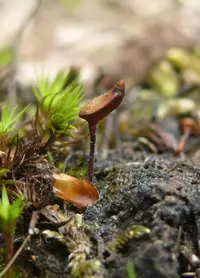
Its spore capsules sit on relatively short, reddish stalks and have a pronounced beak or horn-like tip, a feature that helps distinguish it from similar Mnium and Plagiomnium species in the field.

Important forest microhabitat

Dense carpets capture moisture and fine organic particles, creating a humid microhabitat that shelters springtails, mites, and other tiny invertebrates, which in turn support forest food webs.

Botan icon

Did you know?

In European forestry and vegetation surveys, this species is frequently used as an indicator moss for moist, shaded, acidic broadleaf forests, so its presence can help ecologists assess habitat quality and site conditions without soil testing.

FAQs about horn calcareous moss

This species establishes most reliably outdoors, where humidity, rainfall, and natural shade are more stable. Indoors it needs consistently high humidity, cool temperatures, and gentle airflow. Horn calcareous moss indoor care is possible but usually more demanding and less predictable.

Grow Healthy Plants with Botan Care

Keep your plants happy and healthy with plant identification, disease detection, and easy care guidance.

Botan plant care app — identify plants on mobile

Explore More Plants