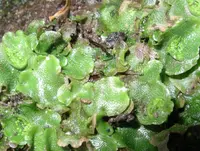
toothed sphagnum Care (Sphagnum cuspidatum)

Also known as: toothed peatmoss, feathery bog-moss
toothed sphagnum

About toothed sphagnum

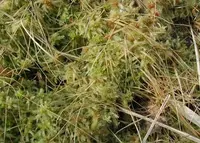
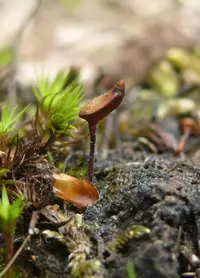
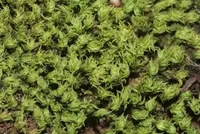
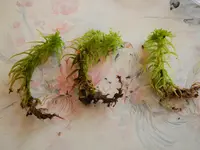
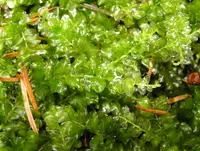
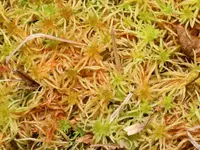
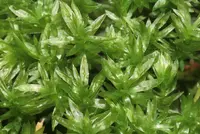
Toothed sphagnum (Sphagnum cuspidatum) is a water-loving moss that forms loose, soft mats in bogs, marshes, and along pond or stream edges. It spreads by creeping stems with fine, tapered branch tips that often float or trail in shallow water.

In nature, it is common across cool, acidic wetlands in North America and Europe. Its high water-holding capacity and preference for low-nutrient, acidic conditions strongly shape how to care for toothed sphagnum.

This species prefers constant moisture, clean soft water, and bright but gently filtered light. It is not difficult to grow if its need for cool, wet, low-mineral conditions is respected.


Main Plant Requirements

Care Difficulty

Hard Care

Light Preference

Partial Shade

Water Requirements

Aquatic

Temperature Preference

Cool Climate

Hardiness Zone

2–9

Soil Texture

Peaty, Silty, Organic-rich

Soil pH

Strongly acidic (4.5–5.5)

Soil Drainage

Waterlogged tolerant

Fertilization

Minimal (feed rarely)

Get Personalized Care Plan

Scan your plant to receive care tips personalized for your specific plant

Available on iOS and Android

How to Care for the toothed sphagnum

This moss prefers low to moderate natural light that mimics bog or wetland edges.

  • Provide bright shade or dappled light, such as under grasses or low shrubs, with no more than 1–3 hours of gentle morning sun and no direct afternoon sun.
  • In open sites, use taller plants or shade cloth to filter strong sun; intense summer sun can bleach and dry toothed sphagnum, thinning the mats.
  • In winter, when sun is lower and weaker, slightly more exposure is acceptable, but protect from reflective glare that can overheat shallow water or saturated peat.

This moss is adapted to saturated, low-nutrient wetlands and needs constant access to moisture.

  • Maintain Sphagnum cuspidatum in fully saturated, acidic substrate or shallow standing water; the surface should never dry, even for a short time.
  • Watch for pale, crisp tips as a sign of underwatering, and dark, sour-smelling patches as a sign of stagnant, low-oxygen water; refresh water rather than increasing depth.
  • In hot, windy periods, top up water or mist surfaces several times a day if needed, ensuring slow drainage or pooling rather than free-draining soil.

Stable, cool to mild conditions support dense, healthy growth for this bog moss.

  • Aim for 45–70°F (7–21°C) for strongest growth, typical of cool, moist bog climates with high humidity and limited temperature swings.
  • Tolerates brief dips to around 25–30°F (-4 to -1°C) if submerged or very wet, but repeated hard frost with exposed cushions can cause browning and dieback.
  • In hot spells above 80–85°F (27–29°C), increase shading and airflow and keep water cool and deep enough to buffer heat, since extreme warmth speeds decay.

This moss demands constant high humidity to remain healthy and photosynthetically active.

  • Aim for 80–100% humidity; prolonged exposure below 70% quickly dries and weakens toothed sphagnum.
  • Crisping tips, faded green color, and shrinking cushions indicate humidity stress and desiccation risk.
  • Use closed terrariums, covered trays, or humidity domes with regular misting to keep air saturated while avoiding stagnant, overheated air.

This species grows best in permanently wet, acidic, organic substrates rather than conventional potting soil.

  • Use a deep layer of pure, living or rehydrated sphagnum over waterlogged but unscented peat to mimic bog conditions.
  • Maintain a constantly saturated yet aerated structure, with water just below or at the substrate surface, never allowing it to dry.
  • Keep pH acidic, roughly 4.0–5.5, by using peat-based material and rainwater, distilled, or reverse-osmosis water instead of tap water.
  • Avoid mineral-rich mixes, sand-heavy substrates, fertilizers, and calcareous materials that raise pH or introduce salts, which burn Sphagnum cuspidatum tissues.

This moss is suitable for shallow containers that can maintain constant surface moisture.

  • Choose wide, shallow trays so the entire mat stays evenly wet without deep stagnant water pockets developing underneath.
  • Use light-colored plastic or glazed ceramic containers to reduce side-wall heating and slow evaporation from the substrate edges.
  • Set the container inside a slightly larger watertight tray to create a stable water reservoir without flooding the moss layer.

Sphagnum cuspidatum is adapted to nutrient-poor wetlands and usually needs no added fertilizer under normal culture.

Sphagnum cuspidatum benefits from light trimming to maintain healthy, dense mats in culture.

  • Use clean scissors to remove brown, dead, or decaying segments at any time of year.
  • Thin crowded patches by cutting and lifting small clumps to improve air flow and light penetration.
  • Harvest actively growing tips rather than older bases to encourage fresh lateral growth.
  • Avoid cutting too low into the oldest, compacted layer, which can destabilize the mat.

This moss is usually grown in shallow trays or bog-style containers, so transplanting focuses on renewing its wet substrate rather than handling roots.

  • Plan major transplanting in spring or early summer when growth is active and recovery is fastest.
  • Look for sluggish growth, uneven dieback, or sour odor as cues that the substrate needs replacement.
  • Every 1–2 years, lift living green tips and place them on fresh, saturated, acidic medium, discarding decomposed lower layers.
  • Keep the moss constantly moist with soft, low-mineral water after transplanting to minimize stress and encourage re-anchoring.

Sphagnum cuspidatum is commonly multiplied by division of living shoots rather than by spores in home culture.

  • In spring or early summer, separate healthy green tips from older brown bases by gently pulling clumps apart.
  • Spread the divided fragments loosely over a shallow layer of saturated, acidic medium such as peat and sand.
  • Maintain very high humidity and constant moisture with soft, low-mineral water to support new branch formation.
  • Provide bright, indirect light and avoid strong currents of air so fragments stay evenly damp while establishing.

In most temperate climates, toothed sphagnum grown outdoors is quite cold tolerant and usually needs minimal winter intervention.

  • In-ground or bog-garden colonies typically survive freezing and thawing without extra insulation.
  • For containers, ensure they do not dry out; frozen but moist substrate is safer than repeated drying cycles.
  • Move small trays under cover in very windy sites to reduce desiccation from cold, drying winds.

Care Tips

Use Rainwater Reservoirs

Set up a shallow tray or basin with collected rainwater and place baskets or mesh trays of moss so the lower layer stays submerged while the top remains aerated, which stabilizes water chemistry and reduces stress on the colony.

Layered Expansion Method

When the mat thickens, gently divide and spread the top, actively growing heads onto fresh, shallow water areas or new trays to create an even carpet and prevent older, shaded stems from rotting underneath.

Oxygenation And Flow

Provide gentle water movement with an air stone or a very low-flow pump in larger containers or bog setups to increase dissolved oxygen and reduce stagnation, which helps limit algae and anaerobic bacteria.

Algae Light Management

If algae begins to overtake the moss, slightly shorten the light duration or raise the light source and, during maintenance, manually skim algae from the water surface to keep the moss tips exposed and photosynthesizing efficiently.

Clean Collection Surfaces

Use inert, easy-to-clean surfaces like food-grade plastic trays or mesh over shallow basins and periodically rinse them with plain water to remove biofilm and debris, which improves hygiene when growing toothed sphagnum in dense culture setups.

Common Pests and Diseases

Mite infestations

This pest commonly colonizes moist sphagnum cushions, feeding on delicate moss tissues and causing dull, patchy growth. Symptoms include fine webbing and a faded or bronzed appearance of the moss surface.

Solution

Rinse the moss gently but thoroughly with clean, soft water to dislodge mites, then increase ambient humidity and reduce heat stress to slow reproduction. For persistent cases in cultivation trays or terraria, use a targeted miticide labeled for moss or bryophytes at low concentration and improve air movement without drying the substrate.

Fungus gnat larvae

These insects thrive in constantly wet, organic substrates and their larvae may graze on living moss tips, slowing new growth and weakening the colony. Symptoms include small black adult gnats flying above the moss and a general decline in fresh, bright green shoots.

Solution

Allow the upper few millimeters of the moss layer to drain and become just moist instead of waterlogged, and use yellow sticky traps to capture adult gnats. In tray or container culture, apply a biological larvicide with Bacillus thuringiensis israelensis (Bti) to the water or substrate and reduce excess organic debris that can harbor larvae.

Algal overgrowth

This disease-like condition occurs when free-living algae colonize the waterlogged moss surface, forming slimy green layers that shade and smother living shoots. Symptoms include slick, bright-green films or mats on top of the moss and slower vertical growth.

Solution

Reduce light intensity to moderate levels, increase water exchange, and avoid nutrient-rich tap water or fertilizer that favors algae. Manually rinse or gently brush off algal films, then maintain lower nutrient input and better water circulation in trays or bog setups as part of Sphagnum cuspidatum care.

Filamentous fungal mold

This disease develops in stagnant, poorly ventilated setups where dead moss or organic debris accumulates, leading to white, gray, or fuzzy mold strands across the cushions. Symptoms include local dieback, browning patches, and a musty odor in enclosed containers or terraria.

Solution

Physically remove moldy, brown, or decomposing material and increase ventilation or periodically open lids on enclosed containers. Rinse the colony with clean water, then maintain slightly cooler temperatures, avoid overcrowding, and, if needed, apply a very dilute, moss-safe fungicide only to affected zones while monitoring for stress.

Interesting Facts

Aquatic mat specialist

This species typically forms loose, pale green mats floating in nutrient-poor, still or very slow-moving water, unlike many other Sphagnum that prefer firmer, boggy ground. It often dominates the shallow margins of peat pools where the water is soft and low in dissolved minerals.

Strong water acidifier

By absorbing cations like calcium and magnesium from the surrounding water and releasing hydrogen ions, this moss helps acidify bog pools and maintain their low pH. This chemical effect shapes the habitat so strongly that it strongly influences which other plants and microorganisms can live there.

Oxygen-poor microhabitats

The dense, waterlogged cushions of this species create oxygen-poor (anaerobic) conditions within the peat. These conditions slow decomposition and favor peat accumulation, contributing to long-term carbon storage in raised bog systems.

Botan icon

Did you know?

In some European ombrotrophic bogs, its presence and growth pattern are used as an indicator of long-term water level stability, because this moss is highly sensitive to changes in pool depth and can shift position within the pool margins as hydrological conditions change over time.

FAQs about toothed sphagnum

Growth is moderate if moisture is constant. Expect carpets to extend by roughly 2–5 cm per year, sometimes more in saturated, cool, nutrient-poor conditions. Fragment spread is faster than vertical growth, forming low, creeping mats over time.

Grow Healthy Plants with Botan Care

Keep your plants happy and healthy with plant identification, disease detection, and easy care guidance.

Botan plant care app — identify plants on mobile

Explore More Plants