hypnum moss Care (Hypnum cupressiforme)

Also known as: Cypress-leaved Plait-moss
hypnum moss

About hypnum moss

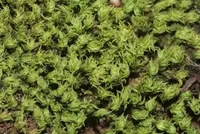
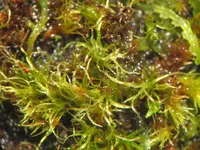
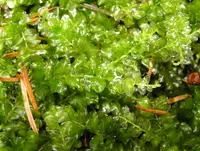
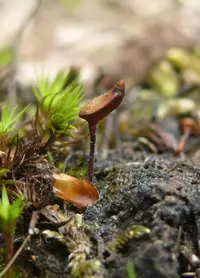
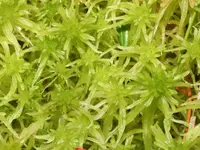
Hypnum moss (Hypnum cupressiforme) is a common carpet-forming moss that creates soft, feathery mats over soil, rocks, logs, and tree bases. It has fine, overlapping leaves that give a cypress-like texture, which inspired its species name.

This moss is naturally widespread in temperate regions, often found in forests, along stream banks, and in shaded stone walls. It adapts well to different surfaces as long as moisture is available.

It is generally considered easy to grow because it tolerates shade, cool conditions, and poor, compact substrates. Gardeners who want to care for hypnum moss should focus on stable moisture, gentle light, and protection from heavy foot traffic.

Main Plant Requirements

Care Difficulty

Moderate Care

Light Preference

Partial Shade

Water Requirements

Keep Soil Moist

Temperature Preference

Cold Hardy

Hardiness Zone

3–9

Soil Texture

Loamy, Silty, Organic-rich

Soil pH

Strongly acidic (4.5–5.5), Acidic (5.5–6.5)

Soil Drainage

Moist but well-drained

Fertilization

Minimal (feed rarely)

Get Personalized Care Plan

Scan your plant to receive care tips personalized for your specific plant

Available on iOS and Android

How to Care for the hypnum moss

This moss prefers soft, indirect light similar to a shaded forest floor.

  • Give hypnum moss bright shade or dappled light, such as under shrubs or trees, avoiding direct midday sun.
  • Allow 1–3 hours of gentle morning sun or full-time filtered light; strong afternoon sun can scorch and dry fronds.
  • In summer, increase shade if patches pale or crisp at the tips; in winter, slightly more open light helps maintain dense, green growth.

Moist but not stagnant conditions support healthy growth for this moss.

  • Aim for consistently damp substrate; surface should feel cool and slightly springy, never cracked or dusty dry.
  • After rain or watering, the base should drain within a few hours; soggy, sour-smelling patches indicate poor drainage and overwatering.
  • In cool, wet seasons rely mostly on rainfall; in hot, dry weather mist or gently soak when fronds look dull, flattened, or begin to curl.

This species is naturally adapted to cool to mild outdoor climates.

  • Optimal growth occurs around 50–70°F (10–21°C), with steady moisture and shelter from drying winds.
  • Hypnum cupressiforme tolerates down to about 10–20°F (-12 to -6°C) once established, but rapid freeze–thaw cycles can lift or damage mats.
  • In heat above 80–85°F (27–29°C), provide extra shade and humidity; prolonged heat with low moisture leads to browning and dormancy.

This moss prefers consistently moist, high-humidity conditions to stay dense and green.

  • Aim for 70–90% humidity, as hypnum moss quickly dries and thins in air below about 50%.
  • Crisping tips, faded patches, and shrinking mats indicate low humidity or excessive air movement.
  • Increase humidity with frequent fine misting, placement near a humid terrarium or water feature, and by shielding the moss from drying drafts.

This moss grows best on moist, loose, organic-rich substrates rather than dense mineral soil.

  • Use a mix of finely shredded bark, leaf mold, and sphagnum peat or coco coir to create a soft, fibrous surface for Hypnum cupressiforme to anchor.
  • Ensure the substrate stays moist but never waterlogged by providing very free drainage below a consistently damp top layer.
  • Aim for slightly acidic conditions around pH 5.0–6.5, which support healthy moss growth and discourage many competing weeds.
  • Avoid compacted, clay-heavy, limed, or heavily fertilized soils, which reduce aeration and favor vascular plants over moss.

This moss is suitable for shallow containers, trays, and dish gardens where moisture can be controlled carefully.

  • Choose a wide, shallow container so the spreading mats receive even moisture without deep, stagnant water zones.
  • Add a coarse drainage layer under the substrate to prevent the constantly damp surface from sitting over saturated water pockets.
  • Select non-porous or glazed containers outdoors in sunny or windy sites to slow evaporation and reduce edge drying of the mat.

This moss gains most nutrients from rainwater and substrates, so fertilizer use should be minimal and careful.

  • If growth is very pale or weak, use a highly diluted balanced NPK liquid (about 1/8–1/4 strength).
  • Feed only in active growth during spring–early fall, no more than every 6–8 weeks.
  • Avoid slow-release granules; a light organic compost extract or moss-specific feed is safer.
  • Rinse with plain water occasionally to prevent salt buildup on hypnum moss.

Pruning Hypnum cupressiforme is mainly cosmetic and helps maintain even, dense coverage in designed plantings.

  • Trim during active growth in spring or early fall so moss recovers quickly.
  • Use clean scissors to remove browned, damaged, or lifted patches.
  • Lightly clip uneven or overthick areas to keep a smooth, low cushion.
  • Avoid cutting too deep into the substrate to prevent drying and gaps.

This species is usually transplanted rather than repotted, since it forms shallow mats on soil, rock, or wood.

  • Transplant in cool, moist weather during spring or fall to limit stress.
  • Move when mats detach easily, dry out quickly, or when coverage is needed elsewhere.
  • Lift sections gently with a thin blade, keeping as much underlying substrate as possible.
  • Press the mat firmly onto the new surface, water well, and keep evenly moist until reanchored.

Propagation of this moss is straightforward and is usually done by division and re-laying patches.

  • Best time is during mild, moist conditions in spring or fall.
  • Gently tear or cut Hypnum cupressiforme mats into small sections with green, healthy tips.
  • Place pieces onto suitable, clean substrate and press into contact without burying.
  • Maintain constant surface moisture and high humidity until new growth visibly knits the mat.

This moss is generally cold hardy and needs little specific winter care outdoors in most climates.

  • Tolerates frost once established, especially in shaded, moist sites.
  • In exposed containers, keep substrate slightly moist to prevent desiccation during freezes.
  • Move shallow trays to a cold, frost-prone but wind-sheltered spot rather than a warm room.

Care Tips

Substrate preparation

Before planting, roughen compact soil or rock and press a thin layer of milled sphagnum or fine bark into the surface so the moss rhizoids can anchor quickly and form an even carpet.

Sheet moss installation

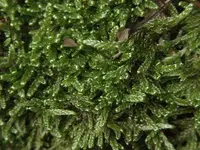
For faster coverage, press intact sheets of moss firmly onto the prepared surface using a mesh, burlap, or plastic net pinned down for 2–4 weeks until the moss grips on its own.

Moisture staging

In new plantings, use a fine-mist spray bottle 1–2 times daily for the first 2–3 weeks, then gradually reduce to less frequent misting once the moss shows firm attachment and steady color.

Algae and weed control

Limit nutrient runoff from nearby beds, remove fallen leaves promptly, and hand-pick small weeds early so algae, liverworts, and seedlings do not shade or outcompete the moss.

Fragment propagation

To expand a patch, crumble healthy moss into small fragments, scatter them onto a rough, damp surface, then press lightly and keep consistently moist for several weeks when growing hypnum moss.

Common Pests and Diseases

Slugs and snails

This pest feeds on soft moss tissues, leaving shredded, bare patches and slime trails across cushions and mats.

Solution

Hand-pick pests during damp evenings, use simple barriers such as copper tape or rough grit around trays or beds, and reduce dense debris where they hide; in outdoor settings, ferrous phosphate pellets can be used sparingly around colonies without covering the moss directly.

Moss mites

These insects, actually tiny arachnids, can graze on moss tissues and associated microorganisms, leading to thinning, dull patches and a dusty appearance on cushions.

Solution

Rinse moss gently with a fine spray of water to dislodge mites, increase humidity with good air movement, and if populations remain high, use a mild insecticidal soap or horticultural oil drench, testing first on a small area to avoid damage to delicate shoots.

Fungal blight

This disease appears as localized brown or black, water-soaked patches that spread through dense, poorly ventilated tufts, especially under constant surface wetness.

Solution

Improve air circulation, avoid stagnant water and heavy overhead watering, and remove badly affected clumps; for valuable displays, a light application of a moss-safe fungicide labeled for ornamental use can be applied following product directions.

Algal overgrowth

Symptoms include a smooth, often green to dark film covering moss surfaces, which blocks light and competes for moisture, causing Hypnum cushions to weaken and lose texture.

Solution

Reduce nutrient-rich runoff and standing water, slightly increase light and airflow, and gently brush or rinse surfaces to break up the algal film; in trays or small beds, replace overly compacted substrate to restore drainage and discourage regrowth.

Green shield lichen

This organism can overgrow and shade moss carpets on rocks, bark, or old walls, forming crusty to leafy patches that compete for light and surface space.

Solution

Carefully lift or flake off larger lichen patches by hand or with a soft brush when they begin to dominate, then adjust light and moisture so the moss stays healthy and dense; avoid harsh scraping that removes the substrate that Hypnum uses to anchor and grow Hypnum cupressiforme.

Interesting Facts

Cypress-like growth form

This moss forms long, creeping, feather-like shoots that resemble tiny cypress branches, which is why it is called cypress-leaved plait-moss. Its stems and side branches grow in a regular, flattened pattern that makes it easy to distinguish from many other carpet-forming mosses.

Extreme microhabitat tolerance

It naturally colonizes tree bark, rocks, soil, rotting wood, roofs, and even human-made structures across a wide range of climates. This broad ecological tolerance is one reason it is one of the most widespread moss species in temperate regions.

Important forest water sponge

Dense mats of this species can intercept rainfall and fog, holding significant moisture on the forest surface. By slowly releasing this water, it helps buffer small organisms against drying and stabilizes local humidity around the substrate.

Botan icon

Did you know?

This species can survive severe drying by entering a dormant state and then rapidly reactivating photosynthesis within minutes to hours after rewetting, a classic example of desiccation tolerance in mosses.

FAQs about hypnum moss

Growth is generally slow to moderate. In good moisture and shade, new mats may spread a few centimeters per year. Establishment often takes many months, so patience is important when growing hypnum moss as a ground cover.

Grow Healthy Plants with Botan Care

Keep your plants happy and healthy with plant identification, disease detection, and easy care guidance.


Botan plant care app — identify plants on mobile

Explore More Plants