Substrate depth control
Maintain only a very thin, consistently moist substrate layer (about 0.5–1 cm of fine sand, loam, or peat mix) to discourage deeper-rooting competitors and keep this shallow liverwort spreading at the surface.

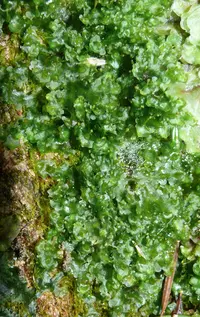
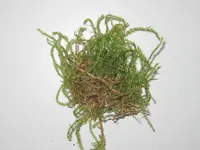
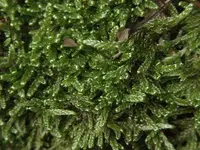
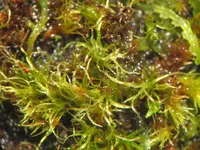
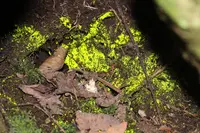
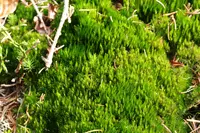
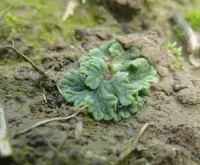
Common kettlewort, Blasia pusilla, is a small liverwort, a simple non-vascular plant related to mosses. It forms low, flat rosettes of green, lobed thalli on moist soil or rock.
This species is native to cool, damp regions of the Northern Hemisphere, often appearing on bare ground in forests, stream banks, and disturbed wet sites. It tends to be short-lived in any one spot, following moisture and light openings.
Blasia pusilla is generally delicate and best suited to terrariums or carefully managed outdoor shade spots. Consistent moisture, gentle light, and low competition from taller plants are key factors in how to care for Common Kettlewort.

Care Difficulty
Hard Care

Light Preference
Partial Shade

Water Requirements
Aquatic

Temperature Preference
Cool Climate

Hardiness Zone
Unknown

Soil Texture
Silty, Peaty, Organic-rich

Soil pH
Acidic (5.5–6.5)

Soil Drainage
Waterlogged tolerant

Fertilization
Minimal (feed rarely)
Scan your plant to receive care tips personalized for your specific plant
Available on iOS and Android
This small liverwort prefers cool, soft light that mimics its natural woodland and stream-bank habitats.
This moisture-loving liverwort needs consistently damp conditions without long dry periods.
This species thrives in cool to mild conditions and declines in prolonged heat or hard frost.
This small liverwort needs consistently moist, high-humidity conditions to thrive.
This species prefers saturated, organic, fine-textured substrates rather than standard potting mixes.
This species can be grown in containers if a shallow, constantly moist environment is maintained.
Blasia pusilla, often called Common Kettlewort, typically grows in nutrient-poor, moist habitats and needs little to no fertilization in cultivation.
Blasia pusilla requires minimal pruning, mainly to keep the moss-like mat clean and healthy in contained or display settings.
This tiny liverwort is rarely grown in standard pots; management focuses on gently transplanting or renewing culture trays rather than frequent repotting.
Propagation of Blasia pusilla is usually done by vegetative fragments in cultivation, though spores can also be used for more advanced work.
This small liverwort is generally cold hardy in temperate climates and usually needs no special winter care outdoors.

Plant Health Check
Not sure what's wrong with your plant? Check your plant's health inside the app.
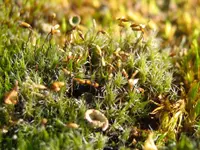
This liverwort produces crescent-shaped gemmae in shallow cup-like structures on the thallus surface, which allow it to reproduce asexually when rain splashes the gemmae away to new sites.
Its thallus often hosts colonies of nitrogen-fixing cyanobacteria, mainly Nostoc, which live in surface cavities and can enrich nitrogen-poor substrates.
This species frequently colonizes recently disturbed, bare, or compacted moist soils in cool, temperate regions, acting as an early-successional ground cover before larger mosses and vascular plants establish.

Blasia pusilla has a distinctive relationship with certain parasitic fungi, such as species of the genus Blasiphalia, which can specifically infect its tissues and use the liverwort as a host, illustrating a highly specialized interaction between a non-vascular plant and a fungus.
This liverwort spreads by spores and small vegetative fragments, forming low mats on damp soil, rock, or peat. In suitable conditions it can cover patches quickly, but it is easy to control by gently lifting and thinning clumps.
Keep your plants happy and healthy with plant identification, disease detection, and easy care guidance.