Regular tip trimming
Pinch or trim 3–5 cm from stem tips every 1–2 weeks to keep plants compact, encourage dense side shoots, and prevent the lower parts from shedding leaves in shaded aquariums.

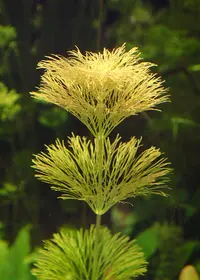
Indian marshweed (Limnophila indica) is an aquatic or semi-aquatic stem plant often used in freshwater aquariums and paludariums. It forms upright, feathery green stems that can create a soft, bushy background when grouped.
In nature it grows in shallow, slow-moving waters and wet margins across tropical Asia and parts of Africa. It adapts well in submerged conditions, but growth and leaf shape change with light and nutrient levels.
This species is generally considered moderate in difficulty because it responds strongly to light intensity, carbon dioxide availability, and water quality. Understanding how to care for Indian marshweed helps maintain dense, healthy growth without frequent melting or stunting.

Care Difficulty
Moderate Care

Light Preference
Partial Sun

Water Requirements
Aquatic

Temperature Preference
Tropical / Frost Sensitive

Hardiness Zone
Unknown

Soil Texture
Sandy, Loamy, Organic-rich

Soil pH
Acidic (5.5–6.5), Slightly acidic (6.5–7.0)

Soil Drainage
Waterlogged tolerant

Fertilization
Moderate (every 2–4 weeks)
Scan your plant to receive care tips personalized for your specific plant
Available on iOS and Android
This aquatic stem plant needs strong, consistent light to stay compact and bushy.
This species is adapted to saturated conditions and thrives fully submerged or in very wet marginal soil.
This tropical aquatic plant prefers warm, stable temperatures with no exposure to frost.
This aquatic stem plant needs consistently high humidity to prevent leaf desiccation above the waterline.
Limnophila indica prefers a nutrient-rich, fine-textured substrate that stays wet but not stagnant around the roots.
This species is very suitable for container growing in aquariums or outdoor tubs where water depth and spread can be controlled.
Limnophila indica benefits from consistent but moderate nutrition, especially in planted aquariums or containers.
Pruning Limnophila indica keeps stems dense, prevents shading, and maintains suitable height.
Transplanting Limnophila indica is mainly about managing spread and keeping stems healthy in the substrate.
Limnophila indica is commonly propagated from stem cuttings in aquarium and wet-soil setups.
Limnophila indica is frost-sensitive and needs protection in regions with cold winters.

Plant Health Check
Not sure what's wrong with your plant? Check your plant's health inside the app.
When grown emersed or in shallow water, the finely divided leaves release a distinct, pleasant aroma when touched or crushed, a feature uncommon among many aquarium stem plants.
This species can shift between fully submerged and emersed growth, changing leaf shape and structure depending on whether it is growing underwater or with its foliage in air.
In suitable warm, shallow waters, it can grow and branch quickly, forming dense stands that provide cover for small aquatic invertebrates and juvenile fish.

In rice-growing regions of South and Southeast Asia, this species often appears naturally in flooded paddy fields, where its presence can indicate stable, warm, standing water conditions that support a diverse aquatic community.
Brown leaves usually result from poor water quality, nutrient deficiency, or excessive light intensity. Check for high ammonia or nitrate, provide balanced aquatic fertilizer, and reduce harsh lighting or heat. Damaged leaves rarely recover but new growth should improve.
Keep your plants happy and healthy with plant identification, disease detection, and easy care guidance.