savannah iris Care (Iris tridentata)

savannah iris

About savannah iris

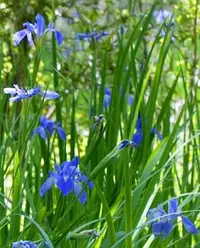
Savannah iris, Iris tridentata, is a rhizomatous perennial native to wet pine savannas, bogs, and marshy areas in the southeastern United States. It forms upright fans of narrow, grass-like leaves and slender stems.

The plant carries blue to violet flowers with a delicate, wild look rather than the large, ruffled blooms of tall bearded irises. It tends to form small clumps and naturalizes slowly in consistently moist sites.

This species prefers full sun to light shade, damp to wet soil, and low competition from taller plants. In suitable conditions, it is a steady, medium-easy plant to grow, and learning how to care for savannah iris mainly involves maintaining adequate moisture and sun exposure.

Main Plant Requirements

Care Difficulty

Moderate Care

Light Preference

Full Sun

Water Requirements

Aquatic

Temperature Preference

Cold Hardy

Hardiness Zone

6–9

Soil Texture

Sandy, Loamy, Organic-rich

Soil pH

Acidic (5.5–6.5), Slightly acidic (6.5–7.0)

Soil Drainage

Waterlogged tolerant

Fertilization

Minimal (feed rarely)

Get Personalized Care Plan

Scan your plant to receive care tips personalized for your specific plant

Available on iOS and Android

How to Care for the savannah iris

This wetland iris thrives in full sun but also tolerates light shade, especially in hotter regions.

  • Provide 6–8 hours of direct sun daily, ideally with strong morning sun and lighter afternoon exposure to protect delicate blooms.
  • Allow partial shade (3–4 hours sun) in areas with intense summer heat to reduce leaf scorch and extend flowering on savannah iris.
  • Avoid deep shade, which causes weak, floppy growth and fewer flowers; in winter, ensure plants are not heavily shaded by evergreen shrubs or structures.

This species prefers consistently moist to wet conditions and does not tolerate prolonged drying.

  • Keep soil evenly moist; in the ground, the root zone should feel damp 5–10 cm deep, especially during active growth and flowering.
  • In hot, dry periods, increase watering so the soil never fully dries, watching for drooping leaves or crisp tips as signs of underwatering.
  • Avoid stagnant, foul-smelling water that can indicate rot; Iris tridentata grows well in shallow water or saturated soil with slow, steady drainage.

This rhizomatous iris is adapted to warm, humid climates but tolerates a range of outdoor temperatures.

  • Optimal growth occurs around 70–85°F (21–29°C), with vigorous foliage and flowering during late spring and summer within this range.
  • Dormant rhizomes tolerate brief drops near 20°F (−6°C), but prolonged exposure below this can damage buds, so mulch in colder climates.
  • Plants handle short heat spikes up to about 95°F (35°C) if soil stays wet; extended extreme heat combined with drought can scorch leaves and reduce flowering the next season.

Iris tridentata prefers moderately moist air but usually adapts to typical indoor and outdoor humidity.

  • Aim for 40–60% humidity, matching conditions where savannah iris naturally grows in wet habitats.
  • Tolerates slightly drier air if soil moisture is steady, but avoid prolonged hot, dry drafts near heaters or vents.
  • Humidity stress shows as browning tips and slower growth; increase humidity by grouping pots or placing trays of water near, not under, containers.

Iris tridentata is a wetland species that needs consistently moist, rich, and slightly acidic soil.

  • Use a heavy loam rich in organic matter, such as 2 parts loam, 1 part compost, and 1 part fine pine bark.
  • Maintain soil that holds water yet does not stay anaerobic; it can tolerate periodic standing water better than drying out.
  • Target pH around 5.5–6.5, adding peat moss or leaf mold if soil is naturally alkaline.
  • Avoid very sandy, fast-draining mixes or compacted clay without organic amendment, which either dry too fast or suffocate roots.

This species can grow in containers if the pot is managed to stay consistently moist and stable.

  • Choose a deep, wide container that allows rhizomes to spread horizontally while keeping roots submerged or consistently damp.
  • Use a heavy pot material, such as ceramic, to prevent tipping when tall foliage catches wind near water features or patios.
  • Stand the pot in a shallow outer tray or basin that can hold a few cm of water, mimicking boggy conditions without flooding the rhizomes completely.

Iris tridentata benefits from light, targeted feeding during the active growing season in lean or container soils.

  • Apply a balanced slow-release fertilizer (around 10-10-10) at half strength in early spring as new growth emerges.
  • For savannah iris in richer garden soil, supplement only with a thin top-dressing of compost once per year.
  • In containers, use a dilute balanced liquid feed every 4–6 weeks during spring and summer.
  • Stop feeding in late summer and do not fertilize during fall and winter dormancy.

Iris tridentata needs only modest pruning to stay healthy and support flowering.

  • In late fall or very early spring, cut back dead or dry foliage to just above the crown with clean hand pruners.
  • Remove damaged, diseased, or yellowing leaves promptly during the growing season to maintain airflow and reduce rot risk.
  • After flowering, snip off spent flower stalks at the base to direct energy back to rhizomes and roots.
  • Avoid heavy cutting into green, healthy fans, which can reduce next season’s bloom and weaken the clump.

This iris is usually grown in the ground, so transplanting clumps is more common than container repotting.

  • Plan division and transplanting every 3–4 years when clumps become crowded or flowering declines.
  • Move Iris tridentata in late summer to early fall, after bloom, so roots re-establish before winter.
  • Lift clumps carefully, shake or wash off soil, and separate healthy fans with firm rhizomes and white roots.
  • Replant at the same depth in moist, well-drained soil, water thoroughly, and keep evenly moist to limit transplant stress.

Iris tridentata is most reliably increased by division, with seed propagation used mainly for naturalistic or breeding projects.

  • Divide established clumps in late summer to early fall, when soil is warm and plants have finished flowering.
  • Use a sharp, clean knife or spade to separate fans, keeping several leaves and healthy roots on each piece.
  • Replant divisions immediately in moist, acidic to neutral soil, spacing them to allow airflow and future spread.
  • For seeds, sow fresh in trays outdoors, allow natural winter chilling, and keep evenly moist for spring germination.

This iris is generally cold hardy in its suitable climate range and needs only minimal winter care in the ground.

  • In colder zones, apply a 5–7 cm mulch layer over the root zone after the ground cools to buffer freeze-thaw cycles.
  • Allow top growth to die back naturally, then cut spent foliage low to reduce disease carryover into spring.
  • Container-grown plants are more exposed; move pots to a sheltered, unheated space where temperatures stay above prolonged hard freezes.

Care Tips

Rhizome Division Timing

Divide clumps in late summer after flowering, replanting only the firm outer rhizomes at the same depth to maintain vigor and flower production.


Shallow Mulch Management

Apply a thin mulch layer (1–3 cm) of pine bark or leaf mold around, but not on top of, the rhizomes to suppress weeds while avoiding rot in this moisture-loving iris.

Moisture Zoning

In mixed plantings, group savannah iris in the wettest zone or along pond edges, so irrigation or natural moisture can be concentrated where this species thrives.

Seed Pod Handling

If seed is desired, allow pods to dry and brown on the stalk before collecting; otherwise remove spent stalks soon after bloom to direct energy back into the rhizomes when caring for savannah iris.

Support In Wind

In exposed, windy sites, use discreet low hoops or short stakes and soft ties to prevent tall flowering stems from lodging, especially in very wet or soft ground.

Common Pests and Diseases

Iris leaf spot

This disease causes small water-soaked lesions on leaves that enlarge into tan or brown spots with darker borders, often leading to premature leaf dieback in wet, warm weather.

Solution

Remove and discard infected foliage as soon as spots appear and clean up all dead leaves at the end of the season; avoid overhead watering, improve air movement around clumps, and apply a labeled fungicide in early spring if leaf spot has been severe in previous years.

Iris borer

This pest begins as larvae tunneling inside leaves, leaving ragged, water-soaked streaks that progress down into the rhizomes, which then soften, rot, and may emit a foul odor.

Solution

In late fall, remove and discard all dead foliage where eggs overwinter, inspect rhizomes in spring for tunneling and cut out any larvae and mushy tissue, then allow cleaned rhizomes to dry before replanting; in regions with known pressure, a labeled systemic insecticide can be applied in early spring when new leaves are 5–10 cm tall.

Aphids

These insects cluster on new growth and flower stalks, sucking sap and causing distorted leaves, sticky honeydew, and sometimes sooty mold on foliage.

Solution

Spray plants with a firm stream of water to dislodge colonies, then treat persistent infestations with insecticidal soap or a light horticultural oil, making sure to coat the undersides of leaves; encourage natural predators like lady beetles by avoiding broad-spectrum insecticides nearby.

Rhizome soft rot

This disease causes rhizomes to become soft, mushy, and foul-smelling, often following mechanical injury or borer damage, with foliage yellowing and collapsing from the base.

Solution

Dig up affected plants, cut away all soft, discolored tissue, and dust cut surfaces with sulfur or a similar protective powder before replanting in well-drained soil at the surface; space clumps to improve airflow and avoid overwatering, especially in heavy soils, as part of long-term Iris tridentata care.

Interesting Facts

Wet flatwoods specialist

This species is native to the southeastern United States, where it is closely tied to wet pine flatwoods, savannas, and roadside ditches that stay seasonally saturated but not permanently flooded.

Later spring bloomer

Compared with many other native U.S. irises, it tends to flower later in spring to early summer, extending the blooming season for wetland iris communities in its natural range.

Distinctive three-toothed style

Its specific name tridentata refers to the three-toothed tips of the style arms, a floral structure that helps guide pollinators to the reproductive parts of the flower.

Botan icon

Did you know?

This species often forms loose, spreading colonies in its native wetlands, where its rhizomes gradually knit through the soil and help stabilize shallow, seasonally saturated substrates against erosion.

FAQs about savannah iris

This species spreads slowly by rhizomes, forming clumps over time rather than running aggressively. In garden conditions it is usually easy to contain with normal bed edging and occasional division every few years.

Grow Healthy Plants with Botan Care

Keep your plants happy and healthy with plant identification, disease detection, and easy care guidance.

Botan plant care app — identify plants on mobile

Explore More Plants