Rock crevice placement
Tuck plants into narrow rock crevices or between stable stones so the roots stay cool and protected while the crown remains exposed to air and light, which closely mimics its alpine habitat.

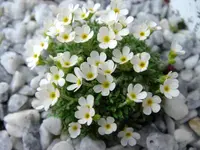
Androsace pyrenaica is a compact alpine perennial that forms tight, cushion-like mounds of small rosettes. It typically shows white to pale pink flowers held just above the foliage in spring or early summer.
This species is native to the Pyrenees, where it grows in rocky, high-mountain habitats with sharp drainage and cool conditions. In cultivation it is considered challenging, as it dislikes heat, winter wet, and poorly drained soils.
Gardeners who want to care for Androsace pyrenaica usually grow it in rock gardens, troughs, or crevice plantings that mimic its natural conditions, with bright light and evenly moist but free-draining soil.

Care Difficulty
Hard Care

Light Preference
Full Sun

Water Requirements
Moderate Water

Temperature Preference
Cold Hardy

Hardiness Zone
4–7

Soil Texture
Sandy, Loamy, Rocky

Soil pH
Acidic (5.5–6.5), Slightly acidic (6.5–7.0)

Soil Drainage
Well-drained

Fertilization
Minimal (feed rarely)
Scan your plant to receive care tips personalized for your specific plant
Available on iOS and Android
This alpine cushion plant needs cool, bright conditions that mimic high-mountain sites.
This species prefers consistent moisture around the roots but reacts badly to waterlogged soil.
This alpine plant is adapted to cool conditions and tolerates significant cold when drainage is sharp.
This alpine species prefers cool, fairly dry air and generally does not need increased humidity.
This species needs sharply drained, gritty soil that dries quickly around the crown.
This species is suitable for containers, especially alpine troughs and shallow, well-drained pots.
This alpine species needs minimal feeding, as excess nutrients can weaken its compact habit.
Pruning needs are light and mainly focused on keeping the cushion dense and tidy.
Handling of established plants should be minimal, as this species dislikes root disturbance.
Propagation is possible but requires careful conditions due to the plant’s alpine, taprooted nature.
This alpine cushion is generally cold hardy but benefits from protection against excess winter wet.

Plant Health Check
Not sure what's wrong with your plant? Check your plant's health inside the app.
This species forms very tight, low cushion rosettes of tiny leaves that hug rocky limestone crevices in the central and eastern Pyrenees, reducing exposure to cold winds and water loss in its harsh alpine environment.
It typically flowers in late spring to early summer, shortly after snowmelt at high elevations, producing small white to pale pink, yellow-eyed blooms that take advantage of the short alpine growing season.
Androsace pyrenaica is strongly associated with calcareous, often vertical or overhanging limestone rock faces, showing a marked preference for cool, well-drained, alkaline substrates rather than general rocky habitats.

This species is considered a narrow Pyrenean endemic, meaning its natural distribution is restricted to a limited section of the Pyrenees, which contributes to its conservation interest and makes growing Androsace pyrenaica outside its native range quite specialized.
This alpine perennial is generally evergreen, holding its tight rosettes of small leaves through winter in cool climates. In very harsh or exposed sites, foliage can scorch or die back partially but usually regrows from the crown.
Keep your plants happy and healthy with plant identification, disease detection, and easy care guidance.