Hosta Care (Hosta 'Fire and Ice')

Hosta

About Hosta

Hosta 'Fire and Ice' is a clump-forming perennial prized for its bold foliage rather than its flowers. It belongs to the shade-loving group of hostas often used in understory plantings and shaded borders.

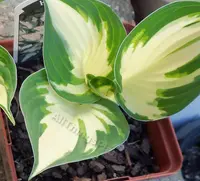
Leaves are thick, with bright white centers and dark green margins that create a strong contrast. Plants form low mounds that slowly expand, giving a structured, tidy look in containers or garden beds.

Hostas originate from East Asia, especially Japan, and have been bred into many cultivars for ornamental use. This variety is considered moderately easy, but needs protection from strong sun, consistent moisture, and well-drained soil, which influences how to care for Hosta in most home gardens.

Main Plant Requirements

Care Difficulty

Moderate Care

Light Preference

Partial Shade

Water Requirements

Regular Water

Temperature Preference

Cold Hardy

Hardiness Zone

3–8

Soil Texture

Loamy, Silty, Organic-rich

Soil pH

Acidic (5.5–6.5), Slightly acidic (6.5–7.0)

Soil Drainage

Moist but well-drained

Fertilization

Light (every 4–6 weeks)

Get Personalized Care Plan

Scan your plant to receive care tips personalized for your specific plant

Available on iOS and Android

How to Care for the Hosta

This variegated shade perennial prefers bright but gentle light to keep its white and green leaves healthy.

  • Provide 2–4 hours of soft morning sun with bright, dappled or filtered shade the rest of the day for stable leaf color.
  • Tolerates partial shade to full shade, but in deep shade leaves may lose contrast and plants become more open and sparse.
  • Avoid hot afternoon sun, which can scorch white leaf centers; in summer, give extra shade during 12–4 p.m., especially in hotter regions.

This plant likes consistently moist but not waterlogged soil, supported by deep, infrequent watering.

  • Water when the top 3–5 cm of soil feels dry, soaking the root zone to 15–20 cm depth, then let excess drain away.
  • In spring and early summer, monitor more closely as new growth appears; in mid-summer heat, increase checks during dry, windy spells.
  • Signs of overwatering include yellowing leaves and soft crowns, while dull, drooping leaves and dry soil signal that Hosta 'Fire and Ice' needs water.

This hardy perennial tolerates cold winters but grows best in mild, stable temperatures during the growing season.

  • Optimal active growth occurs around 60–75°F (16–24°C), with strong foliage development in cool to moderately warm conditions.
  • The crowns can usually survive down to about -20°F (-29°C) under mulch or snow cover, entering full dormancy in winter.
  • Prolonged heat above 85°F (29°C) can stress plants; provide extra shade and soil moisture, and protect from hot, drying winds when possible.

This cultivar grows well in typical outdoor humidity but benefits from slightly moist air in hot, dry regions.

  • Aim for 40–60% humidity, which is usually present in shaded garden beds or sheltered patio spots.
  • Plants tolerate short dry spells, but prolonged very dry air plus heat can cause brown leaf edges and tip scorch.
  • In dry climates, group containers together and mulch the soil surface 3–5 cm deep to slow evaporation and stabilize humidity around foliage.

Hosta 'Fire and Ice' prefers deep, moisture-retentive but free-draining, organic-rich soil.

  • Use a loamy mix with 40–60% garden soil or topsoil, 30–40% compost, and 10–20% pine bark fines for structure and moisture balance.
  • Target slightly acidic to neutral pH around 6.0–7.0 to support nutrient uptake and leaf color stability.
  • Improve drainage and aeration in heavy clay by incorporating coarse compost and shredded bark rather than sand, which can create a dense, brick-like texture.
  • Avoid waterlogged or compacted sites; raised beds or berms help keep roots aerated where natural drainage is slow.

This variety is very suitable for container growing on shaded patios, balconies, or entryways.

  • Choose a wide, heavy container to balance the spreading foliage and prevent wind tipping once the clump matures.
  • Select thick-walled ceramic or fiberstone pots to moderate root-zone temperature swings and slow water loss in summer.
  • Fill the pot with a peat-free, compost-rich mix amended with pine bark to keep moisture even without becoming waterlogged.

This shade perennial responds well to moderate, consistent feeding during the active growing season.

  • Use a balanced slow-release fertilizer (around 10-10-10) or a thin layer of compost in early spring as shoots emerge.
  • Feed once more in mid-summer if growth appears weak, avoiding high-nitrogen lawn products that burn roots.
  • Apply fertilizers at half the label strength on moist soil to limit root damage and leaf scorch.
  • Stop feeding Hosta during late summer to fall so plants harden off properly before winter dormancy.

Pruning supports clean appearance and healthy growth for Hosta 'Fire and Ice'.

  • In spring, remove any remaining dead foliage at ground level using clean, sharp pruners or scissors.
  • Throughout summer, trim yellowing, slug-damaged, or broken leaves to reduce disease and improve appearance.
  • Cut spent flower stalks down to the base after blooming to direct energy back into foliage and roots.
  • In late fall, remove collapsed leaves to reduce overwintering pests, leaving crowns at soil level.

This cultivar is usually grown in garden beds, so focus on dividing and transplanting rather than frequent repotting.

  • Plan transplanting or division in early spring as new eyes emerge, or in early fall while soil is still warm.
  • Look for crowded clumps with reduced leaf size or bare centers as a sign the plant benefits from moving or dividing every 3–5 years.
  • Dig widely around the clump, lift gently, and keep as much root and surrounding soil intact as possible.
  • Water deeply after replanting, keep soil evenly moist for several weeks, and shade briefly to limit transplant shock.

Division is the standard and most reliable method for multiplying Hosta 'Fire and Ice'.

  • Divide mature clumps in early spring as shoots just break the soil surface, or in early fall in cooler climates.
  • Lift the entire clump and gently tease or cut it into sections, each with at least 2–3 buds and a healthy root mass.
  • Replant divisions at the same depth as before in moist, well-drained soil with partial shade for low stress.
  • Water consistently until established; seed propagation is generally avoided because offspring do not stay true to this cultivar.

This hosta is cold hardy and usually needs minimal winter care in the ground.

  • After hard frost, allow foliage to collapse, then cut it back to soil level to reduce pests and fungal problems.
  • Apply a 5–7 cm layer of mulch over the root zone in late fall, keeping it slightly away from the crown.
  • In very cold or exposed sites, add extra mulch or leaves over young plants to buffer freeze–thaw cycles.
  • Move container-grown plants into an unheated garage or shed, keeping soil barely moist, to prevent root freeze.

Care Tips

Slug control strategy

Use an iron phosphate slug bait around the clump in early spring and again after heavy rain to protect the emerging white leaves from feeding damage that can permanently scar the season’s growth.

Mulch for color

Apply a 2–3 in layer of fine bark mulch, keeping it 2–3 cm away from the crown, to keep soil evenly cool and moist, which helps the white leaf centers resist scorch and prolongs their contrast through summer.

Divide at bud stage

Plan any division for early spring when eyes (buds) are 2–5 cm tall, and cut with a sharp, disinfected knife so each division has at least 2–3 eyes, then water deeply once and keep evenly moist for 2–3 weeks while roots re-establish.

Leaf scorch prevention

In hot climates, position the plant so that it receives morning light and solid afternoon shade from structures or taller perennials, and use a soaker hose rather than overhead watering to reduce additional stress on the white variegation.

Seasonal clean-up timing

Remove and discard collapsed foliage after the first hard frost to reduce overwintering pests and foliar disease spores, but leave the dormant crown undisturbed and mark its location to avoid accidental damage when caring for Hosta in late winter.

Common Pests and Diseases

Hosta virus X

This disease causes mottled, twisted, or streaked leaves that look different from the normal clear variegation, with color breaking and distorted growth over time.

Solution

Remove and bag the entire plant, including roots, and dispose of it in the trash, not in compost, as there is no cure. Disinfect tools with a 10% bleach solution or 70% alcohol after cutting any hosta tissue and avoid handling plants when leaves are wet to reduce spread.

Foliar nematodes

This pest causes tan or brown streaks between veins on leaves that often start as water-soaked patches, usually appearing in late summer and spreading from leaf to leaf in wet conditions.

Solution

Remove and discard affected leaves as soon as symptoms appear and avoid overhead watering to keep foliage dry. In beds with repeated problems, thin or divide clumps to improve airflow and consider replacing heavily infested plants, as home nematicides are limited and not very effective.

Slugs and snails

These pests chew irregular holes in leaves, often between veins, and leave slime trails, with damage most obvious on tender spring growth and in wet, shaded sites.

Solution

Hand-pick slugs and snails in the evening, use iron phosphate bait according to label directions, and set out simple traps such as shallow dishes of beer or yeast water. Reducing thick mulch layers, removing hiding spots like boards or dense debris, and keeping the crown slightly open to air will make the planting less favorable to them.

Crown rot (southern blight)

This disease causes sudden collapse of leaves from the base, with the crown turning soft, brown, and sometimes covered with white fungal growth and small tan sclerotia near the soil line.

Solution

Dig out and discard the entire infected plant with surrounding soil and avoid replanting hostas in the exact spot for several years. Improve drainage, avoid deep mulching against the crown, and keep irrigation off the crown area to reduce future risk when growing Hosta 'Fire and Ice' in warm, humid climates.

Anthracnose

This disease produces large, irregular tan lesions on leaves with darker borders, often causing entire leaf sections to dry, tear, and drop out, giving a tattered appearance.

Solution

Remove and dispose of infected leaves promptly and water at soil level rather than overhead to keep foliage dry. Space plants to improve airflow, mulch to reduce soil splash, and in severe, recurring cases apply a labeled fungicide preventively during warm, wet periods.

Interesting Facts

Chimeric leaf pattern

Its striking white centers and dark green margins result from a stable leaf chimera, where genetically different tissues coexist in one leaf and create sharply defined color zones rather than a gradual variegation.

Cool-temperature variegation

The contrast between white and green is usually strongest in cooler spring temperatures, often softening or showing slight greening in the white areas as summer heat and higher light levels increase.

Relatively slow grower

Compared with many green or lightly variegated hostas, it typically forms a clump more slowly, because the large white leaf area has less chlorophyll and therefore a lower capacity for photosynthesis.

FAQs about Hosta

Brown leaf edges usually result from moisture stress, excess sun, or fertilizer burn. Check soil moisture, reduce direct sun, and avoid granular fertilizer touching leaves. Slug damage can also cause tattered brown areas along margins.

Grow Healthy Plants with Botan Care

Keep your plants happy and healthy with plant identification, disease detection, and easy care guidance.

Botan plant care app — identify plants on mobile

Explore More Plants