


Pinch for Density
Pinch back 1–2 cm of soft stem tips every 2–3 weeks during active growth to keep the plant low, dense, and prevent it from becoming leggy or bare in the center.

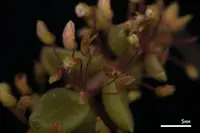
Coleus prostratus is a low, spreading ornamental plant grown mainly for its colorful, patterned foliage. It forms a trailing mat, making it useful as a groundcover or a cascading plant in containers and hanging baskets.
In the wild, related species occur in tropical and subtropical regions, and this plant prefers warm conditions and protection from strong direct sun. Leaves are typically small, soft, and often variegated, giving continuous visual interest even when not in flower.
This species suits beginners because it grows fast and responds quickly to proper watering and light. Light, well-drained soil and steady moisture help care for Coleus prostratus, especially in indoor or patio settings.

Care Difficulty
Moderate Care

Light Preference
Partial Shade

Water Requirements
Keep Soil Moist

Temperature Preference
Tropical / Frost Sensitive

Hardiness Zone
10–11

Soil Texture
Loamy, Sandy, Organic-rich

Soil pH
Acidic (5.5–6.5), Slightly acidic (6.5–7.0)

Soil Drainage
Moist but well-drained

Fertilization
Light (every 4–6 weeks)
Scan your plant to receive care tips personalized for your specific plant
Available on iOS and Android
This trailing foliage plant prefers bright, indirect light with some protection from harsh midday sun.
This plant prefers evenly moist, fast-draining soil and reacts quickly to both drought and saturation.
This species grows best in warm, frost-free conditions and is typically treated as a tender perennial or annual in cooler regions.
This species prefers moderately humid air but adapts to typical home conditions.
Coleus prostratus grows best in loose, airy, organic-rich substrate with reliable drainage.
This trailing species is well suited to container and hanging basket culture.
This trailing ornamental benefits from light, consistent feeding during the warm growing season.
Pruning helps keep Coleus prostratus compact, bushy, and visually tidy.
This plant stays most vigorous when given fresh substrate and adequate root space at the right time.
New plants are most commonly raised from soft stem cuttings during the warm growing months.
This species is frost-tender and needs protection in regions with cold winters.

Plant Health Check
Not sure what's wrong with your plant? Check your plant's health inside the app.
Coleus prostratus naturally forms a very low, spreading mat, with stems that trail or creep rather than grow upright, which makes it especially suited to use as a colorful groundcover or a trailing plant in containers.
Compared with many other coleus types, this species tolerates more sun and heat in warm climates without burning as quickly, especially when soil moisture is kept consistent.
Stems root easily at the nodes when they contact moist soil, allowing patches to expand relatively quickly in suitable conditions, which can be helpful for filling gaps in borders or hanging baskets when you grow Coleus prostratus.
This species stays low and trailing rather than tall. Stems usually reach 10–20 cm high and can spread 30–60 cm or more, forming a compact, mat-like ground cover or a cascading edge in containers.
Keep your plants happy and healthy with plant identification, disease detection, and easy care guidance.


basket plant
Aeschynanthus speciosus
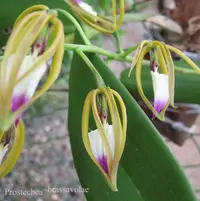
Prosthechea brassavolae
Prosthechea brassavolae
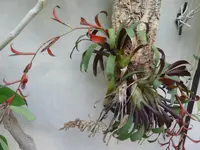
Tillandsia leiboldiana
Tillandsia leiboldiana

Brazilian peperomia
Peperomia urocarpa
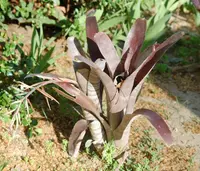
Billbergia vittata
Billbergia vittata

yesterday-today-tomorrow
Brunfelsia latifolia
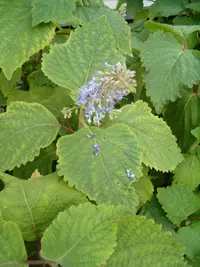
pink fly bush
Plectranthus fruticosus
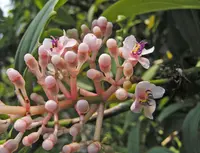
Medinilla formosana
Medinilla formosana