Early clump management
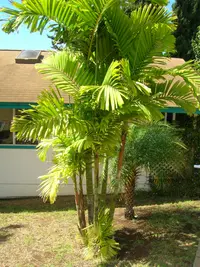
From a young stage, remove only the weakest or most crowded stems at the base every 1–2 years so the clump stays airy, easier to inspect, and less prone to fungal issues as it matures.

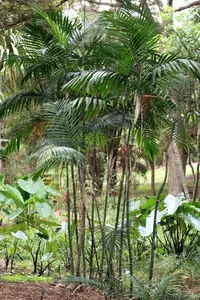
Pacaya, Chamaedorea costaricana, is a clustering palm from moist forests of Central America. It naturally grows as a multi-stemmed, bamboo-like palm with narrow, arching leaflets.
In cultivation it forms dense, upright clumps that give a tropical, feathery look suitable for sheltered outdoor spots or bright indoor spaces. Growth is moderate, and plants stay relatively narrow.
This palm prefers filtered light, steady moisture, and well-drained, humus-rich soil. Its tolerance of shade and indoor conditions makes it easier to manage than many larger landscape palms. Learning how to care for pacaya mainly involves providing stable warmth, moderate humidity, and protection from harsh sun or cold drafts.

Care Difficulty
Moderate Care

Light Preference
Partial Shade

Water Requirements
Moderate Water

Temperature Preference
Tropical / Frost Sensitive

Hardiness Zone
10–11

Soil Texture
Loamy, Organic-rich

Soil pH
Acidic (5.5–6.5), Slightly acidic (6.5–7.0)

Soil Drainage
Moist but well-drained

Fertilization
Light (every 4–6 weeks)
Scan your plant to receive care tips personalized for your specific plant
Available on iOS and Android
This understory palm prefers bright, filtered light that mimics dappled forest shade.
This species prefers evenly moist but not saturated soil.
This palm thrives in warm, frost-free conditions similar to its native Central American range.
Chamaedorea costaricana prefers moderately humid air and reacts quickly to very dry conditions.
This palm prefers loose, organic-rich, fast-draining soil that still holds some moisture.
This species grows reliably in containers when its root zone and stability needs are considered.
This palm benefits from light, consistent feeding during the warm growing season when actively producing new fronds, especially in containers.
Pruning is mainly cosmetic for this species and focuses on removing old or unhealthy foliage to maintain a tidy clump.
This clumping palm tolerates being slightly root-bound, so repotting or transplanting is done only when clear crowding or decline appears.
New plants are most reliably produced by seed or careful division of established clumps rather than by stem cuttings.
This tropical palm is frost-sensitive and needs protection in climates where winter temperatures drop below about 40°F.

Plant Health Check
Not sure what's wrong with your plant? Check your plant's health inside the app.
This species forms dense multi-stemmed clumps in the shaded understory of Central American rainforests, creating thickets that can stabilize soil on slopes and stream banks.
In parts of its native range, the immature inflorescences are harvested and eaten as pacaya, a traditional food that is usually boiled or pickled and valued for its mild, slightly bitter taste.
It naturally occurs from southern Mexico through Central America at low to mid elevations, where it prefers moist, protected sites along forest edges and clearings rather than fully exposed locations.

Selective harvesting of pacaya from this palm has been studied as a non-timber forest product, because cutting only some of the edible inflorescences allows ongoing food production while the clump continues to grow and regenerate in its native habitat.
Brown tips usually come from low humidity, excess fertilizer salts, or inconsistent moisture, rather than pests. Improve humidity, flush the pot occasionally with plain water, and keep watering steady but not excessive to prevent further damage.
Keep your plants happy and healthy with plant identification, disease detection, and easy care guidance.