


Stabilize heavy leaves
Use a low, heavy pot or add a layer of clean aquarium gravel on top of the soil to counterbalance the weight of mature leaves and reduce the risk of the plant tipping over.

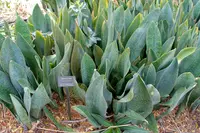
Dracaena masoniana, often called whale fin dracaena, is a slow-growing succulent-type foliage plant valued for its bold, upright leaves. Each leaf is thick, paddle-shaped, and usually deep green with lighter speckling, giving a strong architectural look in containers.
This species is native to Central Africa, where it grows in shaded, dry habitats. Its drought tolerance, slow growth, and ability to handle lower indoor light make it suitable for beginners who want to care for Dracaena masoniana without frequent maintenance.
It generally prefers bright, indirect light, free-draining soil, and moderate watering that allows the roots to dry slightly between waterings.

Care Difficulty
Easy Care

Light Preference
Bright Indirect Light

Water Requirements
Low Water

Temperature Preference
Tropical / Frost Sensitive

Hardiness Zone
11–12

Soil Texture
Loamy, Sandy, Organic-rich

Soil pH
Acidic (5.5–6.5), Slightly acidic (6.5–7.0)

Soil Drainage
Well-drained

Fertilization
Light (every 4–6 weeks)
Scan your plant to receive care tips personalized for your specific plant
Available on iOS and Android
This species prefers bright but gentle light that mimics dappled tropical shade.
Watering should keep the root zone slightly moist but never saturated.
Stable, warm conditions support steady growth and prevent stress-related leaf damage.
This species manages well in typical indoor humidity but benefits from slightly raised levels in very dry homes.
This species prefers a loose, fast-draining, slightly acidic to neutral potting medium.
This species is very suitable for container growing due to its slow, upright habit and compact root system.
This slow-growing succulent needs modest feeding, but targeted nutrition supports steady, healthy foliage growth in Dracaena masoniana.
Dracaena masoniana needs minimal pruning, mainly to maintain a tidy shape and remove unhealthy tissue.
This species prefers slightly snug pots and slow disturbance, so repotting focuses on relieving root congestion and refreshing soil.
Most home growers propagate this plant vegetatively, using leaf or rhizome sections rather than seeds.
This tropical plant lacks frost tolerance and requires indoor or warm conditions during winter in most climates.

Plant Health Check
Not sure what's wrong with your plant? Check your plant's health inside the app.
The large paddle-shaped leaves show irregular mottling because chlorophyll is distributed unevenly in the leaf tissue, creating a natural camouflage pattern rather than uniform green color.
Its unusually thick, stiff leaves act as water-storage organs, an adaptation that helps the plant tolerate extended dry periods in its native habitat of eastern Africa.
This species grows very slowly, often producing only a few new leaves per year, but individual leaves can live for many years, which contributes to its reputation as a long-lived structural foliage plant indoors.

In its native range in eastern Africa, plants now cultivated as Dracaena masoniana were historically collected from limited wild populations, and many of the individuals grown around the world today are vegetative clones derived from a relatively small number of original mother plants.
Brown tips usually result from low humidity, fluoride or salts in tap water, or irregular watering. Use filtered or distilled water, keep soil lightly moist but not soggy, and avoid overfertilizing to prevent further damage.
Keep your plants happy and healthy with plant identification, disease detection, and easy care guidance.

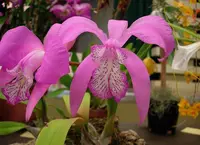
Mayflower Orchid
Laelia speciosa
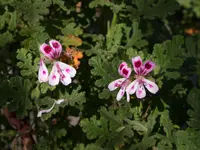
oakleaf geranium
Pelargonium quercifolium
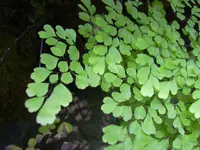
Delta maidenhair fern
Adiantum raddianum
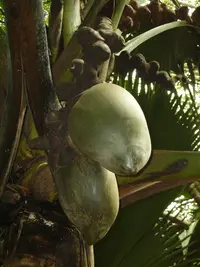
double coconut
Lodoicea maldivica

Speedy Jenny
Tradescantia chrysophylla 'Baby Bunny Bellies'
Chinese Evergreen
Aglaonema 'Emerald Bay'
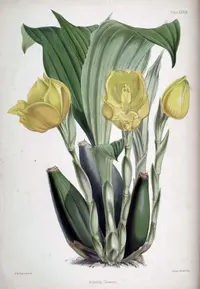
Anguloa clowesii
Anguloa clowesii
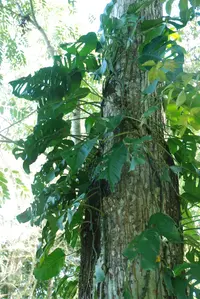
Monstera dissecta
Monstera dissecta