Color maintenance pruning
Pinch back the youngest shoot tips every 3–4 weeks during active growth to keep plants compact and encourage dense, brightly colored foliage rather than tall, shaded, dull stems.

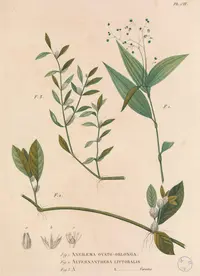
Alternanthera littoralis is a low-growing, spreading ornamental often used as a groundcover or edging plant. It belongs to the amaranth family and is grown mainly for its dense foliage rather than flowers.
Plants typically form compact mats with small leaves that can range from green to bronzed or variegated, depending on the selection. This species occurs naturally in tropical and subtropical coastal regions, where it tolerates warmth, humidity, and occasional salt exposure.
In gardens or containers, it prefers consistent moisture, good drainage, and bright light for best color and density. These traits generally make it manageable for gardeners who learn how to care for Alternanthera littoralis in stable indoor or outdoor conditions.

Care Difficulty
Moderate Care

Light Preference
Full Sun

Water Requirements
Keep Soil Moist

Temperature Preference
Tropical / Frost Sensitive

Hardiness Zone
10–11

Soil Texture
Sandy, Loamy, Organic-rich

Soil pH
Acidic (5.5–6.5), Slightly acidic (6.5–7.0)

Soil Drainage
Waterlogged tolerant

Fertilization
Light (every 4–6 weeks)
Scan your plant to receive care tips personalized for your specific plant
Available on iOS and Android
This coastal species needs bright, consistent light to maintain dense growth and strong foliage color.
This plant prefers evenly moist, well-drained soil and reacts quickly to both drought and waterlogging.
Warm, stable temperatures support continuous growth and vibrant foliage in this tropical species.
This coastal species benefits from moderately high humidity to keep foliage dense and colorful.
This plant prefers loose, moist, well-drained soil with steady aeration around the roots.
This species grows well in containers when moisture and stability are managed carefully.
This plant responds well to light, consistent feeding during its active season.
Pruning helps maintain dense, colorful foliage and a compact habit.
Container and bedding plants benefit from occasional transplanting to prevent root congestion.
This species is commonly multiplied from soft, fast-rooting stem material.
This tropical plant is frost-tender and needs protection in climates with cold winters.

Plant Health Check
Not sure what's wrong with your plant? Check your plant's health inside the app.
This species is naturally found in tropical coastal areas, often in sandy or disturbed sites near shorelines, where it tolerates higher salinity and wind exposure than many other ornamental groundcovers.
It forms a low, creeping mat with stems that root at the nodes when they touch moist soil, which helps stabilize loose substrates such as sandy or eroding coastal soils.
The foliage often shows stable patterns of cream or light-colored striping along the leaves, a trait maintained through vegetative propagation so that clonal plants reliably retain the same variegated pattern.
This species forms a low, mat-like ground cover but is not usually aggressively invasive in managed gardens. It can spread by creeping stems, so periodic edging and removing unwanted runners keeps it within its intended area.
Keep your plants happy and healthy with plant identification, disease detection, and easy care guidance.