Corn Plant Care (Dracaena fragrans 'Massangeana')

Also known as: Mass Cane
Corn Plant

About Corn Plant

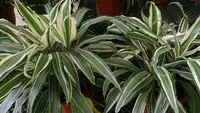
Dracaena fragrans 'Massangeana', commonly called corn plant, is a tropical evergreen shrub grown indoors for its striped, arching leaves and cane-like stems. It naturally occurs in parts of tropical Africa, where it grows as an understory plant in warm, shaded forests.

Indoors it stays compact and slow-growing, which makes it suitable for homes and offices. Its tolerance of lower light, irregular watering, and average indoor humidity means most people can successfully care for Corn Plant.

It generally prefers bright, indirect light, moderate moisture, and a free-draining potting mix that does not stay waterlogged.

Main Plant Requirements

Care Difficulty

Easy Care

Light Preference

Bright Indirect Light

Water Requirements

Moderate Water

Temperature Preference

Tropical / Frost Sensitive

Hardiness Zone

10–12

Soil Texture

Loamy, Peaty, Organic-rich

Soil pH

Acidic (5.5–6.5), Slightly acidic (6.5–7.0)

Soil Drainage

Moist but well-drained

Fertilization

Light (every 4–6 weeks)

Get Personalized Care Plan

Scan your plant to receive care tips personalized for your specific plant

Available on iOS and Android

How to Care for the Corn Plant

This plant thrives in bright, filtered light that mimics a forest understory.

  • Provide 6–8 hours of bright, indirect light each day, such as near an east or north window or behind sheer curtains in brighter exposures.
  • Tolerates partial shade, but Corn Plant foliage may lose variegation and become leggy in very low light over several months.
  • Protect from strong midday and afternoon sun, which can cause brown leaf edges and scorched patches, especially in summer; increase light gradually in spring.

Watering should aim for steady, lightly moist soil without prolonged saturation.

  • Allow the top 3–5 cm of soil to dry before watering, using a finger test rather than a fixed schedule, as rate changes with light, season, and pot size.
  • In spring and summer, expect more frequent watering as growth is faster; in fall and winter, extend intervals and confirm dryness more carefully.
  • Watch for yellowing, soft lower leaves and a sour smell as signs of overwatering, and crisp leaf tips or drooping, folding leaves as signs of underwatering in Dracaena fragrans 'Massangeana'.

Stable, warm temperatures support healthy growth and consistent foliage color.

  • Aim for 65–80°F (18–27°C) for best growth, avoiding sudden swings of more than 10°F (6°C) within a day.
  • Protect from cold; growth slows below 60°F (16°C), and tissue damage may occur if exposed to 45–50°F (7–10°C) for more than brief periods.
  • Keep away from frost, open winter windows, and hot or cold drafts; in hot spells above 86°F (30°C), increase air movement and check soil moisture more often.

This plant prefers moderate household humidity and benefits from slightly increased moisture in dry homes.

  • Aim for 40–60% humidity; it tolerates brief dips lower but prolonged very dry air can brown leaf tips.
  • Watch for crispy margins, dull foliage, and stalled growth as signs of humidity stress in Corn Plant.
  • Raise humidity with a nearby humidifier, grouping plants together, or placing the pot on a pebble tray with water below the pot base.

This species prefers a loose, airy potting medium that drains freely but holds some moisture.

  • Use a peat- or coco-coir-based mix with added perlite or pumice to create a light, loamy texture.
  • Ensure rapid drainage so water does not pool around the roots, which increases risk of rot.
  • Aim for slightly acidic to neutral pH around 6.0–7.0 for Dracaena fragrans 'Massangeana'.
  • Improve aeration by blending in 10–20% fine bark or coarse perlite and avoid dense garden soil or heavy clay-based mixes.

This plant is well suited to container growing in homes and offices.

  • Choose a pot that is only slightly wider than the root mass to prevent excess unused mix that stays wet for too long.
  • Select a stable, heavier container if the plant is tall and cane-like, to reduce tipping risk.
  • Use a pot material that matches your watering style, such as porous terracotta to release moisture faster in consistently damp conditions.

This plant benefits from modest, consistent feeding during the active growing season for steady, healthy foliage.

  • Use a balanced liquid NPK fertilizer at 1/4–1/2 strength for Corn Plant during spring and summer.
  • Apply every 4–6 weeks when growth is active; always water lightly before feeding to prevent root burn.
  • Skip or greatly reduce feeding in fall and winter when growth slows under lower light.
  • Slow-release pellets at low rates can substitute liquids but avoid heavy doses that cause leaf tip burn.

Pruning helps maintain size, appearance, and vigor for Dracaena fragrans 'Massangeana' grown indoors.

  • Plan main pruning in spring or early summer when the plant is actively growing.
  • Remove dead, yellowing, or damaged leaves at the base using clean, sharp scissors or pruners.
  • Shorten over-tall canes above a node to encourage branching and a fuller canopy.
  • Thin crowded stems slightly to improve light penetration and air flow without stripping the plant.

Container-grown plants benefit from occasional repotting to refresh soil and manage root congestion.

  • Repot every 2–3 years, or when roots circle the pot, grow through drainage holes, or growth slows noticeably.
  • Choose spring or early summer so Dracaena fragrans 'Massangeana' can recover quickly and resume active growth.
  • Move to a pot only 2–5 cm wider, using a free-draining peat-free or bark-based mix to limit waterlogging.
  • Gently loosen circling roots, trim any rotten sections, water thoroughly after potting, then keep in bright, indirect light for 1–2 weeks.

New plants are most commonly raised from stem cuttings rather than seed for this species.

  • Take 8–15 cm stem sections or top cuttings in late spring or summer from healthy, pest-free growth.
  • Remove lower leaves, then root cuttings in water or a loose, sterile mix kept at 70–80°F and high humidity.
  • Keep medium slightly moist, not soggy, and provide bright, indirect light to support root initiation.
  • Once roots reach 3–5 cm, pot into a small container with well-drained mix and avoid heavy fertilizing at first.

Indoor plants need simple adjustments in winter, while outdoor specimens in mild climates require frost-free conditions.

  • Keep indoor temperatures above 55°F; avoid drafts from doors, leaky windows, or heating vents.
  • If grown outside in containers, move indoors before night temperatures drop below 50°F.
  • Reduce watering and allow the top soil layer to dry more between waterings, as winter growth slows.
  • Use a thin mulch on outdoor root zones in very mild regions to buffer brief cool spells without waterlogging.

Care Tips

Rotate For Symmetry

Turn the pot 90° every 2–3 weeks to keep the canes growing straight and the foliage evenly distributed, reducing the risk of the plant leaning toward the light and becoming unstable.

Stabilize Tall Canes

Once stems exceed 60–80 cm, insert a sturdy stake close to each main cane and tie loosely with soft ties to prevent top-heavy plants from tipping or snapping at the base.

Clean And Inspect Leaves

Wipe leaves with a damp, soft cloth every 2–4 weeks to remove dust, then check the leaf axils and undersides for early signs of scale or spider mites so you can treat pest issues before they spread.

Manage Multi-Cane Pots

If a container has several crowded canes, periodically remove the top 2–5 cm of old potting mix and top up with fresh, well-draining mix to maintain root health without frequent full repotting.

Use Topping To Branch

To encourage a fuller plant, cut a leggy cane 10–20 cm below the leaf crown in spring or early summer; new shoots will emerge just below the cut, and the removed top can be rooted as a new plant to simplify caring for Corn Plant over time.

Common Pests and Diseases

Fluoride toxicity

Symptoms include yellow or brown leaf tips and margins that slowly turn necrotic, often starting on older leaves while new growth looks relatively healthy.

Solution

Use distilled, rain, or filtered low-fluoride water and avoid superphosphate fertilizers; trim damaged tips if dry, and flush the potting mix thoroughly with clean water to leach built-up salts, then adjust watering and fertilizer choices to prevent recurrence as part of Dracaena fragrans 'Massangeana' care instructions.

Spider mites

These insects cause fine stippling, dull leaves, and delicate webbing, especially on the undersides of leaves in dry indoor air.

Solution

Shower foliage with lukewarm water to physically remove mites, then increase humidity and wipe leaves regularly; if the infestation persists, apply insecticidal soap or a ready-to-use horticultural oil, repeating applications as directed and keeping the plant isolated until clear.

Soft scale

This pest appears as small, dome-shaped bumps on stems and leaf midribs and produces sticky honeydew that can lead to sooty black mold on leaves or nearby surfaces.

Solution

Manually remove scale with a cotton swab dipped in alcohol or by gently scraping, then treat remaining insects with insecticidal soap or horticultural oil, making sure to cover stems and leaf bases and repeating every 7–10 days until no new bumps appear.

Leaf spot (fungal/bacterial)

This disease causes irregular brown or dark water-soaked spots on leaves, sometimes with yellow halos, which can merge into larger dead patches under overly wet or crowded conditions.

Solution

Remove and discard affected leaves, avoid wetting foliage, and improve air circulation around the plant; allow the top of the soil to dry between waterings, and in persistent cases use a houseplant-safe fungicide according to label directions while monitoring new growth closely.

Mealybugs

These insects form white, cottony clusters at leaf bases, along midribs, and in crevices, causing distorted growth and sticky residue on leaves.

Solution

Isolate the plant, then dab visible mealybugs with cotton swabs dipped in alcohol and wipe down leaves; follow up with repeated treatments of insecticidal soap or horticultural oil, paying special attention to hidden areas where insects often return.

Interesting Facts

Variegation source crop

The yellow central stripe on its leaves was first selected from cultivated Dracaena fragrans grown as an agricultural windbreak and boundary plant in tropical Africa, rather than from wild forest plants.

Distinct corn-like scent

Mature plants sometimes produce highly fragrant, night-scented flower clusters whose sweet aroma is often compared to ripe corn or honey, which inspired the common name corn plant.

Low-light understory origin

It descends from forest-understory populations that evolved to capture limited, filtered light beneath taller trees, which explains why it tolerates interior light levels better than many other foliage plants and makes it suitable for Corn Plant indoor care.

FAQs about Corn Plant

Brown tips or edges usually result from low humidity, fluoride or salt buildup, or inconsistent watering. Use filtered or distilled water, flush the pot occasionally, trim damaged tips, and maintain stable indoor conditions to support recovery.

Grow Healthy Plants with Botan Care

Keep your plants happy and healthy with plant identification, disease detection, and easy care guidance.

Botan plant care app — identify plants on mobile

Explore More Plants