


Alpine-style siting
Place pots in a raised, very free-draining trough or crevice-like setup with a slight slope so excess water runs off quickly and the crown never sits in a puddle.

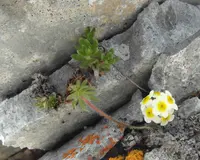
Lehmann's rockjasmine (Androsace lehmanniana) is a compact alpine perennial forming tight cushions or mats close to the ground. It produces small rosettes of narrow leaves and delicate, star-like white to pale pink flowers.
In nature it occurs in rocky, high-altitude habitats, typically on well-drained, often calcareous slopes. Its cushion habit and small leaves help it resist cold, wind, and short growing seasons.
This species can be challenging outside rock gardens or troughs because it dislikes heat, humidity, and poorly drained soil. Understanding how to care for Lehmann's rockjasmine starts with providing cool conditions, sharp drainage, and consistent but not excessive moisture.

Care Difficulty
Hard Care

Light Preference
Full Sun

Water Requirements
Low Water

Temperature Preference
Cold Hardy

Hardiness Zone
4–7

Soil Texture
Sandy, Rocky, Loamy

Soil pH
Slightly acidic (6.5–7.0)

Soil Drainage
Well-drained

Fertilization
Minimal (feed rarely)
Scan your plant to receive care tips personalized for your specific plant
Available on iOS and Android
This alpine species needs bright, cool sun exposure to flower and stay compact.
This plant prefers evenly moist but never saturated soil, especially during active growth.
This cold-hardy alpine thrives in cool conditions and tolerates significant frost once established.
This alpine species handles low humidity well and rarely needs special humidity management.
This plant needs very sharply drained, gritty soil that mimics rocky alpine scree.
This species can be grown successfully in containers, especially in alpine troughs or shallow pots.
This alpine perennial prefers lean conditions, so use fertilizer sparingly when growing Lehmann's rockjasmine in containers.
Androsace lehmanniana needs only light pruning to keep rosettes tidy and flowering well.
This species dislikes frequent disturbance, so transplant or repot only when clearly necessary.
Propagation is usually done from seed, with some potential for careful division of cushions.
This alpine is quite cold hardy but still benefits from thoughtful winter care in wet or very exposed sites.

Plant Health Check
Not sure what's wrong with your plant? Check your plant's health inside the app.
This species is naturally restricted to high-elevation, dry, stony slopes in Central Asian mountain systems, including parts of the Tian Shan. Its compact cushions and small leaves help it withstand intense sun, wind exposure, and large daily temperature swings typical of alpine habitats.
The plant forms tight, low cushions that trap a thin layer of warmer air and reduce water loss around the shoots. This cushion life form is a classic adaptation of many alpine species to cold, arid, and windy environments.
In its native range, it flowers soon after snowmelt, taking advantage of the short growing season at high elevations. The small, pale flowers are adapted to attract the limited pool of early pollinators active in alpine zones.
This species stays very compact, usually forming low cushions only a few cm high with a slightly wider spread. It does not develop tall stems, which makes it suitable for rock gardens, troughs, and tight spaces.
Keep your plants happy and healthy with plant identification, disease detection, and easy care guidance.

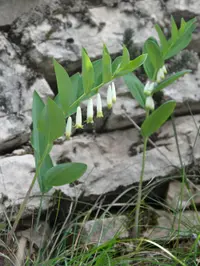
angular Solomon's seal
Polygonatum odoratum
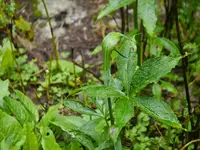
Jacquemont's Cobra-Lily
Arisaema jacquemontii
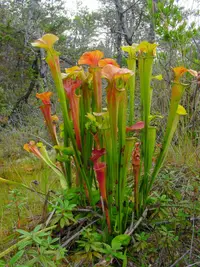
green pitcherplant
Sarracenia oreophila
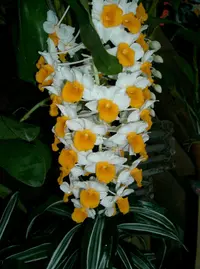
Pinecone-like raceme Dendrobium
Dendrobium thyrsiflorum
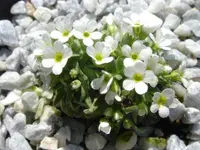
Androsace pubescens
Androsace pubescens
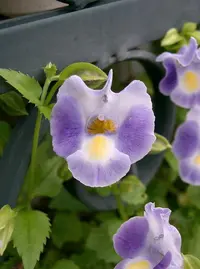
bluewings
Torenia fournieri
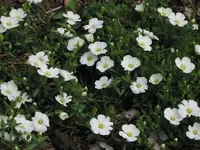
Mountain sandwort
Arenaria montana
Garden Dahlia
Dahlia pinnata