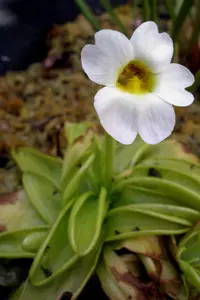
green pitcherplant Care (Sarracenia oreophila)

green pitcherplant

About green pitcherplant

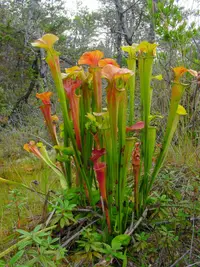
Sarracenia oreophila, known as the green pitcher plant, is a temperate carnivorous plant that forms upright, tubular leaves shaped like pitchers. These pitchers trap and digest insects, supplying nutrients that are often scarce in its native bog and seepage habitats.

This species occurs naturally in limited areas of the southeastern United States, mainly in Alabama, Georgia, and North Carolina, and is considered critically endangered in the wild. It prefers open, sunny sites with consistently wet, nutrient-poor, acidic substrates.

For home growers, it is not difficult but does require specific conditions, so learning how to care for Sarracenia oreophila is important for long-term success.

Main Plant Requirements

Care Difficulty

Hard Care

Light Preference

Full Sun

Water Requirements

Aquatic

Temperature Preference

Cold Hardy

Hardiness Zone

6–9

Soil Texture

Sandy, Peaty, Organic-rich

Soil pH

Strongly acidic (4.5–5.5)

Soil Drainage

Waterlogged tolerant

Fertilization

Minimal (feed rarely)

Get Personalized Care Plan

Scan your plant to receive care tips personalized for your specific plant

Available on iOS and Android

How to Care for the green pitcherplant

This bog species needs strong sun to form sturdy, colorful pitchers and maintain good trap function.

  • Provide 6–8 hours of direct sun daily; full sun from morning through early afternoon is ideal, with light afternoon shade in very hot climates.
  • In cooler regions it tolerates full sun all day, but in areas above 90°F (32°C) use thin shade cloth or filtered light during peak afternoon heat to prevent leaf scorching.
  • If new pitchers are weak, green, or leaning toward any available window or opening, light levels are too low for healthy Sarracenia oreophila growth.

This carnivorous bog plant requires constantly wet, low-mineral conditions rather than typical houseplant watering routines.

  • Stand pots in 2–5 cm of rainwater, distilled, or reverse-osmosis water so the lower soil stays saturated while the surface can be just damp, not soupy.
  • In summer, refill the tray whenever it empties; in cool autumn and winter, allow the tray to briefly dry between refills while keeping the root zone moist.
  • Overwatering looks like foul smell and black, mushy rhizomes, while underwatering shows crisping pitcher edges and drooping, floppy leaves.

Stable temperate conditions with a cool winter dormancy period support long-term vigor and reliable pitcher production.

  • Aim for active-season temperatures of 70–85°F (21–29°C); short spikes to 90–95°F (32–35°C) are tolerated if roots stay wet and the site has some air movement.
  • During winter dormancy, keep plants at 35–50°F (2–10°C); light frosts are tolerated, but prolonged drops below 25°F (−4°C) can damage rhizomes without protection.
  • In very hot regions, high nighttime temperatures above 80°F (27°C) combined with full-sun afternoons can stress plants, so prioritize deep water trays and slight afternoon shade.

This species grows best in moist air but does not need extreme humidity if soil moisture is constant.

  • Aim for 50–70% humidity, which is typical outdoors in many regions during the growing season.
  • Tolerates brief drops to 30–40% if the tray water level is maintained and full sun is provided.
  • Crisping pitcher edges or stalled growth indicate humidity or moisture stress; use grouped pots or a nearby water tray to slightly raise humidity without misting.

This carnivorous bog species needs permanently wet, nutrient-poor, acidic soil with high organic content.

  • Use a mix such as 1:1 sphagnum peat moss and silica sand, or peat and perlite, for a loose but water-retentive texture.
  • Ensure the mix stays saturated yet not anaerobic; the tray method with standing water suits Sarracenia oreophila well.
  • Target an acidic pH around 4.0–5.5; avoid lime, bark with added fertilizers, compost, and any enriched potting mix.
  • Rinse sand or perlite before use to remove minerals, and avoid clays or fine silt that compact and reduce aeration.

This species is well suited to container culture when water depth and pot stability are managed carefully.

  • Choose a tall pot at least 20–25 cm deep so rhizomes and roots can form a cool, stable zone below the surface.
  • Use a wide, heavy container or place it inside a weighted outer cachepot to prevent top-heavy pitchers from tipping in wind.
  • Set the pot in a tray or pond shelf that maintains 2–5 cm of standing water, adjusting depth slightly lower in cooler weather to prevent overheating of roots.

This carnivorous bog species gains most nutrients from prey and usually performs best with no conventional fertilization.

Pruning Sarracenia oreophila focuses on hygiene and maintaining strong new pitchers rather than shaping.

  • In late fall or early spring, cut brown, dead, or mushy pitchers at the base with clean scissors or pruners.
  • Remove damaged or toppled pitchers during the growing season to reduce rot and disease risks.
  • Leave green, functional pitchers intact, since they photosynthesize and support rhizome strength.
  • Dispose of pruned material away from the pot to avoid attracting pests and fungi.

Repotting helps maintain an acidic, nutrient-poor, open medium that supports healthy bog growth.

  • Check every 2–3 years for crowded rhizomes, roots circling the pot, or a compacted, algae-covered mix.
  • Plan repotting for late winter to very early spring, just before new growth starts.
  • Use a plastic pot and fresh 1:1 sphagnum peat:perlite or silica sand, with no compost or fertilizer added.
  • Gently tease apart rhizomes, trim dead roots, keep roots moist at all times, and water thoroughly with rain or distilled water after potting.

Division is the most practical method for maintaining true Sarracenia oreophila plants for cultivation.

  • Divide established clumps in late winter or early spring while repotting, before strong new growth appears.
  • Select firm rhizomes with at least 1–2 growing points and a healthy root system for each division.
  • Use a clean, sharp knife to separate sections, removing dead tissue and rinsing peat away gently.
  • Replant divisions into fresh bog mix, keep constantly wet in high light, and avoid disturbance until new pitchers form.

This temperate carnivorous plant needs a cool winter dormancy but can tolerate moderate frost when roots stay wet and insulated.

  • In-ground plants in mild to cool climates usually overwinter without extra protection once established.
  • For pots, sink containers into the ground or group and mulch around the pots to insulate the root zone.
  • Move small or thin-walled containers into an unheated garage or cold frame where temperatures stay around 25–45°F.

Care Tips

Winter dormancy setup

Provide a cool winter rest at 35–50°F for 3–4 months by moving pots to a cold frame, unheated garage window, or protected outdoor spot, and keep the medium just damp so rhizomes do not dry out or rot.

Bog container design

Use a wide, shallow, undrained plastic tub or pond liner filled with a peat–sand mix and create small mounds and shallow dips so water collects away from rhizome crowns, reducing rot while still keeping roots wet.

Sun and wind acclimation

When shifting plants from indoors or shade to full sun, increase exposure over 7–10 days and use a temporary windbreak such as a mesh panel to prevent pitcher scorch and mechanical damage.

Insect load management

If pitchers fill quickly with insects, cut back the oldest, most heavily packed pitchers before they collapse to reduce fungal growth and foul odor while still leaving enough pitchers to photosynthesize.

Water quality monitoring

Test tap or collected water with a simple TDS meter and only use sources consistently below about 50 ppm; discard any accumulated salts by top-flushing the pot with pure water a few times each growing season when caring for Sarracenia oreophila.

Common Pests and Diseases

Aphids

This pest feeds on tender pitchers and flower stalks, sucking sap and distorting new growth. Symptoms include sticky honeydew, warped pitchers, and clusters of small soft-bodied insects on shoots and flower stems.

Solution

Rinse pitchers and flower stalks thoroughly with a strong, but not damaging, stream of water, then remove heavily infested parts. If needed, apply a dilute insecticidal soap or a neem-based spray to the outer surfaces only, avoiding contact with the pitcher fluid, and repeat at 5–7 day intervals until populations decline.

Botrytis blight

This disease causes brown, water-soaked spots on pitchers and flowers that quickly turn soft and are often covered with gray fuzzy mold, especially in cool, damp weather. Symptoms include rapid collapse of pitchers and decay starting at damaged or old tissue.

Solution

Remove and discard all affected pitchers and flower parts as soon as symptoms appear, cutting back into healthy tissue. Improve air circulation, avoid overhead watering, keep dead leaves trimmed away, and if conditions stay cool and humid, use a fungicide labeled for ornamental plants as a preventive spray on remaining healthy foliage.

Mealybugs

These insects hide in leaf bases and rhizome crowns, appearing as white cottony masses and causing yellowing or stunted pitchers. This pest weakens the plant over time and can spread to neighboring carnivores in a collection.

Solution

Wipe visible insects with cotton swabs dipped in isopropyl alcohol, taking care not to spill alcohol into the pitcher traps. For larger infestations, use a systemic insecticide suitable for bog plants in container culture, and isolate the plant while treating to limit spread to other species when caring for Sarracenia oreophila.

Rhizome crown rot

This disease affects the underground rhizome, causing it to turn brown, mushy, and foul-smelling, with pitchers yellowing and collapsing from the base. Symptoms include poor new growth in spring and sections of the rhizome that easily break apart when handled.

Solution

Unpot the plant, cut away all soft or discolored rhizome tissue with a sterile blade, and dust the remaining firm sections with a sulfur-based fungicide. Replant only healthy pieces into clean containers with fresh, low-nutrient carnivorous plant mix, and maintain cool, wet but well-aerated conditions, avoiding any fertilizer or mineral-rich water.

Interesting Facts

One of the rarest

This species is federally listed as endangered in the United States and now survives in only a handful of naturally occurring populations, mostly in northeastern Alabama and adjacent areas.

Mountain bog specialist

Unlike many other North American pitcher plants that grow in lowland coastal plains, this species is adapted to upland seepage bogs and mountain bog habitats on sandstone-derived soils.

Seasonal trap strategy

Its tall spring pitchers are produced mainly early in the growing season, then later replaced by broad, non-carnivorous phyllodia (leaf blades) that focus on photosynthesis rather than insect capture.

Botan icon

Did you know?

This species has been a focal point for conservation horticulture, and many cultivated plants now serve as ex situ genetic reservoirs to help safeguard wild genetic diversity while reducing collection pressure on the remaining natural populations.

FAQs about green pitcherplant

Brown tips or edges usually result from mineral-rich tap water, fertilizer use, or low humidity combined with strong sun. Use only rain, distilled, or reverse-osmosis water, and avoid any fertilizer or hard-water buildup in the tray.

Grow Healthy Plants with Botan Care

Keep your plants happy and healthy with plant identification, disease detection, and easy care guidance.

Botan plant care app — identify plants on mobile

Explore More Plants