primrose butterwort Care (Pinguicula primuliflora)

Also known as: Primrose Butterwort
primrose butterwort

About primrose butterwort

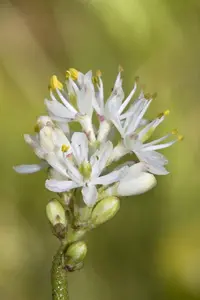
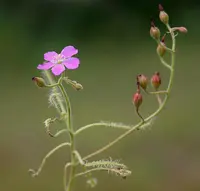
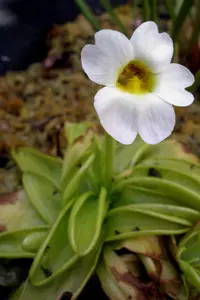
Primrose butterwort, Pinguicula primuliflora, is a small carnivorous plant that forms loose rosettes of soft, sticky leaves. These leaves trap tiny insects, which supply extra nutrients. Plants often produce many offsets, creating low, dense clumps. In season, they send up delicate stalks with pale purple, primrose-like flowers held above the foliage.

This species is native to the warm, wet habitats of the southeastern United States, such as seeps and boggy stream edges. It prefers bright, indirect light, constant moisture, and nutrient-poor, airy media. These traits make it rewarding but slightly more demanding than common houseplants, so learning how to care for primrose butterwort is helpful for long-term success.

Main Plant Requirements

Care Difficulty

Moderate Care

Light Preference

Partial Shade

Water Requirements

Keep Soil Moist

Temperature Preference

Tropical / Frost Sensitive

Hardiness Zone

8–11

Soil Texture

Sandy, Peaty, Organic-rich

Soil pH

Strongly acidic (4.5–5.5)

Soil Drainage

Waterlogged tolerant

Fertilization

Minimal (feed rarely)

Get Personalized Care Plan

Scan your plant to receive care tips personalized for your specific plant

Available on iOS and Android

How to Care for the primrose butterwort

This carnivorous species prefers bright, gentle light that mimics open, wet habitats.

  • Provide 4–6 hours of bright, indirect light daily, such as east-facing morning sun followed by filtered light, to support healthy leaf growth and insect trapping.
  • Protect primrose butterwort from strong midday or late-afternoon sun, which can scorch leaves and dry the boggy substrate too quickly.
  • In summer, increase shade during heat waves; in winter, move closer to a bright window or supplement with a low-intensity grow light if days are very short.

This bog-dwelling carnivore requires consistently moist to wet conditions with low-mineral water.

  • Use rainwater, distilled, or reverse-osmosis water and keep the soil evenly wet; never allow the top 1–2 cm to dry completely.
  • For Pinguicula primuliflora, a shallow tray with 0.5–1 cm of water works well in warm seasons; reduce to a damp but not flooded substrate in cooler months.
  • Signs of overwatering include sour odor and black, mushy roots, while curling, dull leaves and gaps between leaf rosettes and soil often indicate underwatering.

This species favors warm, frost-free conditions similar to its native Gulf Coast range.

  • Aim for 70–85°F (21–29°C) during active growth, as this range supports continuous leaf and flower production.
  • Avoid temperatures below 40°F (4°C); brief dips may be tolerated, but repeated exposure near freezing can damage tissue and kill roots.
  • In hot spells above 90°F (32°C), increase humidity, shade, and airflow to prevent leaf burn and stress, and avoid placing the plant near heat-reflective surfaces.

This species benefits from consistently high humidity to maintain active carnivorous leaves.

  • Aim for 60–80% humidity; it tolerates short dips to 40–50% but leaf edges may dry and curl.
  • Dry indoor air reduces sticky gland production and can cause smaller or distorted leaves in primrose butterwort.
  • Increase humidity with a nearby tray of water and pebbles or a room humidifier, not by misting the leaves.

Use a permanently moist, very low-nutrient, airy mix that mimics bog conditions.

  • Combine roughly 1:1 milled sphagnum peat and coarse sand or perlite for Pinguicula primuliflora, avoiding any added fertilizer or compost.
  • Soil must drain freely yet stay evenly damp, so choose a mix that feels springy, not compacted or sticky.
  • Keep pH slightly acidic, roughly 5.0–6.0, which supports root health and leaf function in this carnivorous species.
  • Avoid standard potting mix, manures, or bark-heavy blends, which hold salts and nutrients that can burn roots and weaken the plant.

Pinguicula primuliflora grows very well in containers when moisture and stability are controlled carefully.

  • Use a relatively wide, shallow pot to match the shallow root system and keep the crown above standing water.
  • Choose plastic or glazed ceramic to slow evaporation, helping the soil stay evenly damp without frequent watering.
  • Set the pot inside a shallow tray with 0.5–2 cm of distilled or rainwater to maintain a stable, bog-like moisture zone.

This carnivorous species gains most nutrients from prey, so primrose butterwort needs only very light supplemental feeding in cultivation.

  • Use a highly diluted (1/4–1/8 strength) balanced liquid fertilizer, avoiding slow-release granules that can burn roots.
  • Apply only during active growth in spring–summer, no more than once every 4–6 weeks.
  • Feed into the tray water or around the pot edge, not directly on the leaf rosettes.
  • Stop all fertilization in winter or dormancy to prevent salt buildup and root decline.

Pruning Pinguicula primuliflora focuses on hygiene rather than shaping, helping maintain healthy, pest-free rosettes.

  • Best time is during active growth in spring–summer, with light clean‑up as needed year-round.
  • Gently remove dead, browned, or moldy leaves at the base to reduce fungal issues.
  • Trim damaged or crowded outer leaves to improve air flow around the rosette.
  • Use soft-tipped tweezers or clean fingers, avoiding cuts into the crown or roots.

Repotting keeps this bog carnivore in fresh, low-mineral media and prevents root rot in compacted mixes.

  • Check for slow growth, media compaction, or roots circling drainage holes as signs it needs a new pot.
  • Repot every 1–2 years in late winter to early spring, just before strong new growth begins.
  • Use a slightly wider, shallow pot with fresh, moist mix such as 1:1 peat and perlite, with no added fertilizer.
  • Minimize root disturbance, keep the crown at the same level, and maintain evenly moist conditions for 1–2 weeks after moving.

Pinguicula primuliflora plant care often includes propagation, since this species forms offsets and leaf cuttings reliably under stable conditions.

  • Divide mature clumps in spring, separating offsets with some roots attached and replanting into fresh carnivorous mix.
  • Take healthy outer leaves as leaf pullings, gently tugging so the white basal tissue remains intact.
  • Place leaf bases flat on damp peat–perlite under bright, indirect light and high humidity (60–80%).
  • Sow fresh seed on the surface of moist, nutrient-poor mix, keeping warm and evenly damp until germination.

This species is not frost hardy and needs mild, consistently moist conditions through winter, especially in colder climates.

  • Keep indoor temperatures around 60–75°F and avoid exposure to frost or freezing drafts.
  • For outdoor containers in mild regions, move pots indoors or into an unheated but frost-free space.
  • Maintain bright, indirect light and slightly reduced watering, letting the medium stay just moist, not saturated.
  • Do not mulch heavily over the crown in containers; focus instead on stable indoor conditions and gentle airflow.

Care Tips

Tray water management

Use a shallow tray with 0.5–1 in of distilled water and let it almost dry before refilling to reduce stagnation and limit algae growth while still keeping roots constantly moist.

Control rosette spread

Gently thin or divide crowded rosettes every 6–12 months so inner leaves still receive light and air, which lowers the risk of fungal rot in dense clumps.

Encourage natural feeding

Place the pot where small fungus gnats or midges are present, such as near other potted plants, so the leaves can trap insects and maintain nutrient intake without added fertilizer when growing primrose butterwort.

Safe algae reduction

If green algae coats the soil surface, carefully scrape off the top 3–5 mm of media and replace it with fresh, rinsed sand to improve gas exchange and keep the crown from staying too wet.

Propagation from offsets

When plantlets form at the tips of older leaves, lay those leaves flat on moist medium and keep humidity high so the offsets root quickly and establish new plants genetically identical to the parent.}]},

Common Pests and Diseases

Fungus gnats

These insects thrive in the constantly wet substrates often used for this species and their larvae can damage fine roots and the plant’s crown. Symptoms include tiny black flies around the pot and slow, weakened growth.

Solution

Allow only the surface layer of the medium to dry slightly between waterings while keeping the tray water level lower, then use yellow sticky traps to catch adults and a biological control such as Bacillus thuringiensis israelensis (BTI) to target larvae; repot in fresh, low-nutrient medium if infestation is heavy.

Botrytis (gray mold)

This disease favors cool, humid, stagnant air and can quickly colonize sticky leaves and old insect remains. Symptoms include gray, fuzzy mold on leaves, flowers, and dead prey, often followed by tissue collapse.

Solution

Remove and discard all affected leaves and debris, increase air movement around the rosette, reduce overhead splashing, and space plants so leaves dry faster; in severe or recurring cases, use a mild fungicide labeled safe for carnivorous plants and avoid excess fertilization that promotes soft growth.

Crown rot

This disease develops when the rosette base stays waterlogged and poorly aerated, especially in warm conditions. Symptoms include browning and softening at the center of the plant, with leaves pulling away easily from a mushy crown.

Solution

Promptly unpot the plant, cut away all soft or dark tissue, and replant only firm, healthy sections in fresh, airy carnivorous-plant medium; keep water in the tray shallower, improve airflow, and avoid burying the crown to reduce future risk, which is central to Pinguicula primuliflora plant care in very wet setups.

Aphids

These insects are attracted to tender flowering stalks and young leaves where they feed on sap and can deform growth. Symptoms include distorted new leaves, sticky honeydew, and clusters of small green, black, or pale insects on flower stems and rosette centers.

Solution

Rinse the plant gently under a soft stream of water to dislodge colonies, remove heavily infested flower stalks, and if needed apply an insecticidal soap or horticultural oil at low strength, ensuring thorough coverage of all rosette centers and undersides of leaves.

Spider mites

These pests can occur in drier indoor conditions and damage the thin leaves by piercing and sucking out cell contents. Symptoms include fine speckling, dull or silvery patches on leaves, and very fine webbing between leaves in advanced cases.

Solution

Increase ambient humidity while maintaining airflow, shower the plant gently to wash off mites, and apply insecticidal soap or a miticide labeled for ornamental use in repeated light treatments, taking care not to spray in full sun or high heat to avoid leaf burn.

Interesting Facts

Constant leaf replacement

This species continually produces new sticky leaves from the center while older leaves die back, forming a compact rosette that slowly creeps outward over time.

Carnivory in wet habitats

Unlike many carnivorous plants that prefer nutrient-poor but well-drained bogs, this species naturally grows in very wet, even shallowly flooded seepage areas in the southeastern United States.

Self-seeding rosettes

In favorable conditions it often drops seeds around the parent plant, creating dense colonies of small rosettes that can carpet wet soil or moss near the waterline.

Botan icon

Did you know?

This species is one of the few butterworts that frequently produces small plantlets at the tips of its leaves, so entire new rosettes can form where a leaf touches suitable wet substrate, leading to rapid clonal spread in cultivation and in the wild.

FAQs about primrose butterwort

Lack of flowers usually comes from insufficient light intensity, nutrient-rich substrate, or very dry air. Keeping the crown slightly moist, providing bright conditions, and avoiding fertiliser help maintain the energy balance needed for reliable flowering.

Grow Healthy Plants with Botan Care

Keep your plants happy and healthy with plant identification, disease detection, and easy care guidance.

Botan plant care app — identify plants on mobile

Explore More Plants