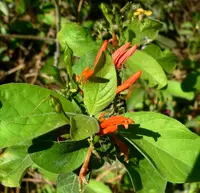
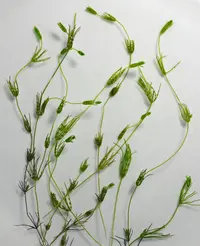
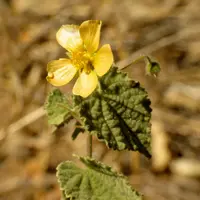
goldencrest Care (Lophiola aurea)

About goldencrest

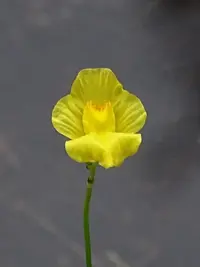
Goldencrest, or Lophiola aurea, is a rhizomatous perennial often found in wet, nutrient-poor habitats such as bogs and marshy shores. It forms upright clumps of narrow, grasslike leaves topped with airy spikes of small golden-yellow flowers.

This species is native to the eastern United States, especially coastal plain wetlands, where it grows in full sun and consistently damp, acidic soils. Its preference for wet, low-fertility conditions can make how to care for goldencrest more challenging outside a bog garden or water feature.

In suitable settings, it is relatively low-maintenance and attracts pollinators, but it does not adapt well to dry or compacted garden soils.

Main Plant Requirements

Care Difficulty

Moderate Care

Light Preference

Full Sun

Water Requirements

Aquatic

Temperature Preference

Cool Climate

Hardiness Zone

6–9

Soil Texture

Sandy, Loamy, Organic-rich

Soil pH

Acidic (5.5–6.5)

Soil Drainage

Waterlogged tolerant

Fertilization

Minimal (feed rarely)

Get Personalized Care Plan

Scan your plant to receive care tips personalized for your specific plant

Available on iOS and Android

How to Care for the goldencrest

This wetland species needs stable, bright outdoor light to flower and hold compact growth.

  • Provide 4–6 hours of direct morning sun with light afternoon shade; full sun all day is suitable only in cool, moist climates.
  • Tolerates partial shade, but below about 3–4 hours of direct or strong filtered light daily, stems elongate and flowering decreases.
  • In hot summers, protect goldencrest from intense midafternoon sun to reduce leaf scorch and drying of boggy soil surfaces.

This bog plant prefers consistently moist to saturated conditions rather than alternating wet and dry cycles.

  • Maintain soil that stays damp to wet at all times; in ground, the root zone can be saturated without harming the plant.
  • In very free‑draining sites, irrigate whenever the top 2–3 cm start to lose surface sheen, before visible wilting or leaf curl occurs.
  • Watch for stunting, crisp leaf tips, and brown margins as signs of drought stress; soft, yellowing foliage and foul‑smelling soil suggest chronic overwatering in poorly drained spots.

This species thrives in mild, cool to warm conditions and dislikes both hard freezes and scorching heat.

  • Aim for active growth in 60–77°F (16–25°C); flowering and foliage quality are best in this range.
  • Tolerates brief dips to about 25°F (-4°C) once established, but repeated freezes below this or unprotected frost can damage shoots and crowns.
  • Handles summer warmth up to around 90°F (32°C) if soil stays saturated and roots shaded; mulching and avoiding heat‑reflecting surfaces reduce stress.

This wetland species needs consistently high humidity to perform well, especially under cultivation.

  • Aim for 60–80% humidity, which mimics its bog habitat and supports steady foliage and flowering.
  • It tolerates only brief drops into drier air; prolonged low humidity causes browning tips and slower growth.
  • Increase humidity with grouped pots over water-filled pebble trays or by siting containers near shallow water features.

This species prefers saturated, acidic, organic-rich substrates similar to natural bog conditions.

  • Use a fine-textured mix of 60–70% sphagnum peat with sand and a little compost to mimic waterlogged, humic soil.
  • Keep drainage minimal and water levels high so the root zone stays constantly wet but not covered by stagnant, anaerobic water.
  • Target an acidic pH of 4.5–5.5, avoiding lime or alkaline amendments that reduce nutrient availability in Lophiola aurea.
  • Avoid heavy mineral clay, dry, fast-draining sandy mixes, or bark-heavy blends that allow the root zone to dry out.

This species can be grown in containers if the setup consistently maintains a wet, bog-like root zone.

  • Choose a tall, stable pot or pond basket that allows a deep, saturated layer of substrate without tipping in wind.
  • Select plastic or glazed ceramic containers, which slow evaporation and keep the root zone evenly wet for longer periods.
  • Stand the pot in an outer tray or shallow water reservoir so the lower substrate remains constantly saturated but not fully submerged.

Lophiola aurea benefits from light, balanced feeding but is sensitive to excess nutrients.

  • Use a balanced, low-strength liquid NPK fertilizer (for example 10-10-10) at 1/2–1/4 label strength during active growth.
  • Feed every 4–6 weeks in spring and summer if growth is weak or soil is poor, or use a gentle slow-release formula.
  • Avoid fertilizing in late fall and winter when growth slows or stops, especially for outdoor clumps.
  • Where soils are sandy, a thin top-dressing of well-rotted compost once a year supports long-term health when caring for goldencrest.

Lophiola aurea needs only light pruning to stay tidy and healthy.

  • Carry out pruning in late winter or early spring before strong new growth starts.
  • Cut back dead, damaged, or diseased stems at the base using clean, sharp hand pruners.
  • Thin congested shoots slightly to improve air movement and maintain a natural clumping shape.
  • Remove spent flower stalks after seed release if a neater appearance is desired, leaving foliage mostly intact.

This species is more often transplanted in the ground than grown long-term in containers.

  • Transplant clumps in early spring or early fall, when temperatures are mild and soil is evenly moist.
  • Look for signs such as crowded shoots, poor flowering, or roots circling a pot to decide when to shift or divide.
  • Plan on dividing and replanting established clumps every 3–5 years to refresh vigor and prevent overcrowding.
  • Lift plants with a wide soil root ball, disturb roots as little as possible, then water thoroughly and shade lightly for several days to reduce stress.

Lophiola aurea is most often propagated by seed or careful division of established clumps.

  • Sow fresh seed in late winter or early spring in a moist, acidic, well-drained mix, barely covering the seed.
  • Maintain consistent moisture and cool to mild temperatures (60–70°F) to support steady germination.
  • Divide mature clumps in early spring, keeping several shoots and a solid root portion together for each division.
  • Replant divisions at original soil depth, firm gently, and keep evenly moist until strong new growth appears.

This plant has moderate cold tolerance but benefits from simple winter safeguards in colder regions.

  • In climates with freezing winters, add a 5–8 cm layer of mulch around the root zone, keeping it off the crowns.
  • Allow above-ground foliage of Lophiola aurea to die back naturally, as it can insulate the crown.
  • In containers, move plants to a sheltered, frost-free but cool location and keep soil just slightly moist.

Care Tips

Protect wetland roots

Grow Lophiola aurea in tall, waterproof containers or trays that can hold a few centimeters of standing water, which keeps the root zone consistently wet and closer to its natural bog habitat.

Use acidic mulch

Top-dress the soil surface with a thin layer of fine pine bark or sphagnum moss to help maintain acidity, keep the root zone cool, and reduce algae growth on constantly moist substrates.

Control spreading carefully

Divide clumps only every 2–3 years and replant the healthiest sections, discarding weak or crowded pieces to maintain strong flowering performance and reduce self-competition in bog planters.

Seasonal water level shift

In climates with a cool, dry winter, slightly lower the water level in trays rather than letting the soil dry out, mimicking natural seasonal fluctuations without stressing the rhizomes.

Monitor algae and moss

If thick algae or aggressive moss forms on the surface, gently scrape it off and replace the top 1–2 cm of mix, which improves oxygen exchange at the soil surface and helps prevent fungal issues while growing goldencrest.

Common Pests and Diseases

Leaf spot fungi

This disease causes small brown to dark purple lesions on leaves and sometimes on flower stalks, often expanding and merging under warm, wet conditions. Symptoms include premature yellowing and drop of the affected foliage in dense clumps.

Solution

Remove and discard spotted leaves to reduce spore spread, and avoid overhead watering so foliage dries quickly. Improve spacing and airflow in plantings, and if the problem persists in wet seasons, apply a suitable fungicide labeled for ornamental monocots, following label directions carefully.

Rust

This disease produces orange to brown powdery pustules on the undersides of leaves, with pale or chlorotic patches on the upper surface. Symptoms include gradual weakening of clumps and reduced flowering in consistently humid or poorly ventilated sites.

Solution

Cut and remove heavily affected leaves, disposing of them in the trash rather than compost. Reduce leaf wetness by watering at the base, increase air movement around the plants, and in severe cases use a rust-specific fungicide on new growth early in the season.

Aphids

These insects cluster on young shoots and flower stems, sucking sap and causing distortion, sticky honeydew, and sometimes sooty mold. This pest tends to build up quickly on soft new growth in sheltered or nutrient-rich sites.

Solution

Dislodge colonies with a strong stream of water and prune heavily infested stems. Encourage natural predators such as lady beetles, and if numbers remain high, use an insecticidal soap or horticultural oil, coating all sides of the foliage and stems.

Spider mites

These pests are tiny sap-sucking arachnids that cause fine stippling, a dull or bronzed appearance to leaves, and delicate webbing in dry, hot conditions. Symptoms include gradual leaf decline and reduced vigor, especially in plants grown in containers under low humidity.

Solution

Rinse foliage thoroughly, including leaf bases, to remove mites and webbing, and repeat several times over 7–10 days. Raise humidity around plants, avoid water stress, and if needed use a miticide or horticultural oil specifically labeled for mite control, applied to both leaf surfaces.

Interesting Facts

Specialized bog habitat

This species is native to acidic peat bogs and wet savannas in the southeastern United States, where it grows in nutrient-poor, waterlogged soils that many other flowering plants cannot tolerate.

Golden flowering spikes

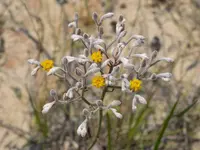
The plant produces slender, upright stems topped with many small, bright yellow flowers arranged in a spike, which can create a striking golden haze over boggy openings at peak bloom.

Fire-adapted perennial

In its natural habitat, periodic low-intensity fires help maintain the open, sunny conditions this species needs, and clumps can resprout from protected underground structures after burns.

Botan icon

Did you know?

Lophiola aurea is considered a characteristic or indicator species of intact Atlantic coastal plain bog and wet savanna communities, so its presence often signals relatively undisturbed, high-quality wetland habitat.

FAQs about goldencrest

Flowering declines when plants are too shaded, overcrowded, or stressed by irregular moisture or nutrient-poor substrate. Check that clumps are not old and congested, then divide, refresh soil, and maintain steady moisture to restore blooms.

Grow Healthy Plants with Botan Care

Keep your plants happy and healthy with plant identification, disease detection, and easy care guidance.

Botan plant care app — identify plants on mobile

Explore More Plants