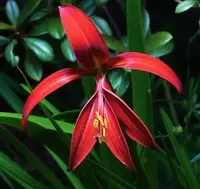
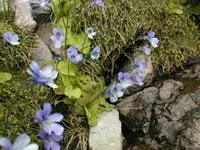
Mojave sand verbena Care (Abronia pogonantha)

Mojave sand verbena

About Mojave sand verbena

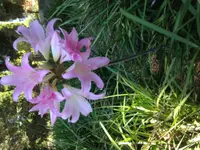
Mojave sand verbena (Abronia pogonantha) is a low, spreading desert wildflower known for its clusters of fragrant, tubular pink to magenta blooms. It typically forms loose mounds of fleshy, sand-hugging stems and narrow leaves.

This species is native to dry, open habitats of the Mojave and nearby deserts, where it thrives in sandy, fast-draining soils. It is adapted to strong sun, low rainfall, and temperature extremes, which can make it short-lived or fussy in wetter climates.

Gardeners who care for Mojave sand verbena need to provide very sharp drainage, plenty of light, and avoid heavy or consistently moist soils to keep plants healthy.

Main Plant Requirements

Care Difficulty

Moderate Care

Light Preference

Full Sun

Water Requirements

Low Water

Temperature Preference

Warm Climate

Hardiness Zone

8–10

Soil Texture

Sandy, Rocky, Loamy

Soil pH

Slightly acidic (6.5–7.0), Neutral (7.0)

Soil Drainage

Well-drained

Fertilization

Minimal (feed rarely)

Get Personalized Care Plan

Scan your plant to receive care tips personalized for your specific plant

Available on iOS and Android

How to Care for the Mojave sand verbena

This desert annual thrives in strong light but still benefits from some protection from extreme exposure.

  • Provide 6–10 hours of full sun daily; in very hot regions, favor morning sun with light afternoon shade to reduce stress.
  • Mojave sand verbena tolerates bright, open sites but may bleach or crisp if exposed to intense, reflective afternoon sun on bare rock or pavement.
  • In spring and fall, full sun is ideal; in peak summer, use neighboring grasses, rocks, or slight slope aspect to give brief midday shade if foliage looks scorched.

This species is adapted to arid conditions and needs sparse, carefully timed watering.

  • Allow the top 5–8 cm of sandy or gritty soil to dry completely before watering, then apply a deep soak that drains away quickly.
  • Reduce or stop supplemental water once flowering declines or during prolonged hot drought if Abronia pogonantha shows no wilting in the early morning.
  • Suspect overwatering if stems become soft, roots smell sour, or soil stays wet for more than 24 hours; underwatering shows as persistent midday wilting that does not recover overnight.

This desert native prefers warm, dry conditions and has limited tolerance for cold and excess humidity.

  • Aim for active growth in 70–90°F (21–32°C); flowering is typically strongest under warm days with cooler, dry nights.
  • Protect plants when temperatures drop near 28–32°F (-2–0°C), as hard frost can kill foliage and young plants outright.
  • During heat waves above 100°F (38°C), the plant usually tolerates the heat if soil is very free-draining and roots are not sitting in wet, warm substrates.

This desert annual tolerates very low humidity and rarely needs special moisture in the air.

  • Target 20–40% humidity, similar to arid indoor air or outdoor desert conditions.
  • Dry air is preferred; sustained humidity above 60% can encourage fungal spots on leaves and stems.
  • If grown in a humid region, increase air movement with spacing and a fan to reduce prolonged surface moisture.

Abronia pogonantha needs very fast-draining, sandy soil that mimics desert washes.

  • Use a gritty mix such as 50–70% coarse sand or fine gravel blended with 30–50% lean native soil or cactus mix.
  • Aim for slightly alkaline to neutral pH around 7.0–8.0, avoiding acidic, peat-heavy potting substrates.
  • Improve aeration by adding extra pumice or perlite and avoiding dense composts or clay components that hold water.
  • Avoid compacted, waterlogged, or high-organic soils, which quickly lead to root rot in this desert-adapted species.

This species can be grown in containers if the pot is prepared to drain very rapidly.

  • Choose a wide, shallow container that allows the spreading root system and stems to extend without crowding.
  • Use a clay or unglazed terracotta pot so moisture evaporates faster and the mix stays closer to desert-dry conditions.
  • Raise the pot on feet or bricks so drainage holes stay clear and runoff exits quickly after irrigation.

Abronia pogonantha is adapted to nutrient-poor desert soils and needs only light, infrequent feeding in cultivation.

  • Use a low-strength balanced NPK fertilizer or very thin compost tea at 1/4 strength for container or garden-grown plants.
  • Apply once every 4–6 weeks during the main growing season if growth appears pale or weak, especially for Mojave sand verbena in pots.
  • Avoid rich organic mixes and high-nitrogen products, which encourage weak, lush growth and reduce flowering.
  • Do not feed during winter or any dormant period; allow soil nutrients to deplete slightly between applications.

Abronia pogonantha benefits from light, selective pruning to maintain a compact, flowering habit.

  • Plan main pruning just after peak flowering in late spring or early summer to avoid removing developing buds.
  • Remove dead, damaged, or diseased stems first using clean, sharp scissors or small bypass pruners.
  • Thin crowded, tangling shoots to improve air movement and light penetration through the canopy.
  • Lightly tip back overly long, leggy stems to encourage branching and a denser flowering display.

This species dislikes root disturbance, so repotting or transplanting should be infrequent and carefully planned.

  • Look for roots circling the pot, pushing through drainage holes, or noticeably slowed growth before considering any move.
  • Schedule transplanting for early spring, just as new growth begins, and aim for only every 2–3 years if grown in containers.
  • Shift into a only slightly larger pot or a well-drained, sandy garden bed to mimic its natural habitat.
  • Handle the root ball gently, keep roots shaded and moist during the process, then water once and allow soil to dry between later waterings.

Abronia pogonantha is most commonly propagated from seed under warm, bright, and very well-drained conditions.

  • Sow fresh seeds in late winter or early spring in a sandy, gritty mix, barely covering them.
  • Provide 65–75°F temperatures and strong light; keep the medium slightly moist, never waterlogged, to reduce damping-off.
  • Scarify or gently rub tough seed coats if germination is slow, following with a brief soak in lukewarm water.
  • Soft stem cuttings root less reliably but may succeed in late spring under high light, sharp drainage, and moderate humidity.

This desert annual or short-lived perennial is only lightly frost tolerant and may need help in colder regions.

  • In mild climates with brief light frosts, no special winter care is usually required for established plants.
  • In colder areas, treat plants as annuals and collect seed before hard freezes for re-sowing next season.
  • Container-grown plants in borderline climates can be moved to a cold, bright, frost-free space to extend flowering slightly.

Care Tips

Encourage Deep Roots

Lightly rake and loosen the top 2–3 cm of soil around the plant once or twice in early growth to reduce surface crusting and encourage the deep, drought-tolerant root system this species needs in sandy sites.

Use Reflective Mulch

In heavier or darker soils, apply a very thin layer of light-colored grit or coarse sand around the base to mimic desert reflectance and improve drainage while keeping stems dry and less prone to rot.

Support Sprawling Stems

On windy or exposed sites, place low rock edges or short, open wire hoops to gently guide and support the sprawling stems, preventing breakage and keeping flowering heads off excessively wet soil.

Promote Longer Bloom

Regularly remove spent flower clusters by pinching or cutting just above a healthy node to reduce seed set and direct more energy into continued flowering during the season.

Plan For Reseeding

If you want a self-sustaining patch, leave a few healthy seed heads on the plant to mature fully, then gently scratch the surrounding soil in late summer so dropped seeds have good contact and can help grow Abronia pogonantha in the same area next year.

Common Pests and Diseases

Spider mites

This pest often appears in hot, dry conditions and can cause fine stippling, bronzing, and webbing on foliage and stems. Symptoms include slowed growth and a dusty appearance on the plant surface.

Solution

Rinse plants thoroughly with a firm stream of water, focusing on the undersides of leaves and stems, and repeat every few days until populations drop. In garden settings, encourage natural predators like lady beetles and predatory mites, and if needed use a targeted insecticidal soap or horticultural oil applied in the cool part of the day.

Leafhoppers

These insects feed by piercing and sucking plant sap, leading to pale speckling, leaf curling, or small necrotic spots on leaves and bracts. Symptoms include sudden wilted or distorted new growth in exposed, dry sites.

Solution

Reduce weed hosts near plantings to limit leafhopper build‑up, and use a strong spray of water to knock insects off the plant. In more serious cases, apply a low‑impact product such as insecticidal soap or a neem‑based spray, coating both sides of foliage while avoiding treatments during peak heat.

Powdery mildew

This disease may develop when warm days combine with cool, slightly humid nights, producing white, powdery patches on leaves and stems. Symptoms include dull, distorted foliage and reduced flowering if coverage is heavy.

Solution

Improve air movement around plants by thinning crowded stems and avoiding overhead watering late in the day. Remove and discard heavily infected plant parts, and if needed apply a sulfur or potassium bicarbonate fungicide labeled for ornamental plants, starting at the first visible spots and repeating as directed.

Fusarium wilt

This disease is favored by warm soils and can cause one‑sided wilting, yellowing, and eventual collapse of shoots, often starting on older growth. Symptoms include dark discoloration in the lower stem tissue when cut open.

Solution

Promptly remove and destroy affected plants, including as much root material as possible, and avoid replanting Abronia in the same spot for several years. Improve drainage, avoid overwatering, and source new plants or seed from reputable suppliers that monitor for soilborne diseases as part of responsible Abronia pogonantha plant care.

Interesting Facts

Desert sand specialist

This species naturally inhabits loose sandy soils of the Mojave and Sonoran deserts, where its creeping stems help stabilize shifting sand around the plant.

Fragrant night bloomer

The tubular pink to magenta flowers open more fully and release a stronger fragrance in the evening and at night, attracting nocturnal moth pollinators in its desert habitat.

Sticky, hairy foliage

Its leaves and stems are covered with glandular hairs that feel sticky, which helps trap windblown sand and may deter small herbivores or insects from feeding.

Botan icon

Did you know?

In parts of its range, this annual wildflower often appears in spectacular mass displays after winters with well-timed rainfall, forming bright pink carpets that are a notable component of California desert superblooms.

FAQs about Mojave sand verbena

This species performs best outdoors in full sun, dry air, and fast-draining soil. Indoors it usually declines due to low light and poor air movement, so Mojave sand verbena indoor care is rarely successful long term.

Grow Healthy Plants with Botan Care

Keep your plants happy and healthy with plant identification, disease detection, and easy care guidance.

Botan plant care app — identify plants on mobile

Explore More Plants