


Rhizome Positioning
Plant rhizomes just below the soil or pond substrate surface, with the top no deeper than 2–3 cm, to reduce rot risk and support strong fan formation.

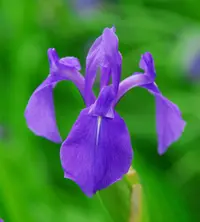
Rabbitear iris, Iris laevigata, is a rhizomatous perennial often grown around ponds, water features, and consistently moist garden beds. It forms upright clumps of narrow, sword-like leaves with showy, flat flowers held above the foliage.
This species is native to wet areas in Japan and eastern Asia, where it thrives in shallow water and marshy soils. Its preference for steady moisture makes it reliable in rain gardens and water gardens but less suitable for very dry sites.
Flower colors range from blue to violet and white, often with delicate markings, giving a refined, architectural look. Gardeners who learn how to care for rabbitear iris usually find it moderately easy, provided it receives enough water and good light in humus-rich soil.

Care Difficulty
Moderate Care

Light Preference
Full Sun

Water Requirements
Aquatic

Temperature Preference
Cold Hardy

Hardiness Zone
4–9

Soil Texture
Loamy, Silty, Organic-rich

Soil pH
Acidic (5.5–6.5), Slightly acidic (6.5–7.0)

Soil Drainage
Waterlogged tolerant

Fertilization
Light (every 4–6 weeks)
Scan your plant to receive care tips personalized for your specific plant
Available on iOS and Android
This moisture-loving iris thrives in full sun to light shade with consistent seasonal light.
This semi-aquatic species prefers constantly moist to wet conditions rather than alternating wet and dry cycles.
This iris is hardy and handles a wide temperature range when its roots stay moist.
This species prefers consistently moist air but usually adapts to average household humidity if soil moisture is stable.
This marginal aquatic iris thrives in saturated, organic-rich soil with slow drainage.
This species grows well in containers when given a stable, water-retentive setup that mimics a shallow pond edge.
Iris laevigata benefits from modest, well-timed feeding rather than heavy fertilization.
Pruning Iris laevigata focuses on hygiene and maintaining a tidy clump, not reshaping the plant.
Rabbitear iris forms dense rhizome clumps that benefit from occasional lifting and division rather than frequent repotting.
Propagation of Iris laevigata is most reliable by division, with seeds used mainly for breeding or larger-scale growing.
Iris laevigata is generally cold hardy in much of the US and needs only light winter care in the ground.

Plant Health Check
Not sure what's wrong with your plant? Check your plant's health inside the app.
This species is one of the few irises that can grow with its rhizomes fully submerged in shallow water, making it naturally adapted to ponds, marsh edges, and slow-moving waterways in Japan and eastern Asia.
The species name laevigata refers to its smooth, polished-looking leaves, which lack the prominent midrib and rough texture seen in many other bearded and Siberian irises.
In traditional Japanese garden design, this iris is used specifically to evoke natural marsh and lakeside scenery, and has been cultivated there for centuries as a symbolic plant of early summer waterscapes.

Some horticultural selections of this species, such as double-flowered and variegated forms, have been maintained in Japanese cultivation for so long that their exact wild origins and ages are now uncertain, illustrating how deeply integrated the plant is into historical wetland garden culture.
Lack of flowers often comes from insufficient light, shallow or crowded rhizomes, or nutrient imbalance. Division every 3–4 years and avoiding heavy nitrogen fertilization usually restores flowering, along with stable moisture during the growing season.
Keep your plants happy and healthy with plant identification, disease detection, and easy care guidance.

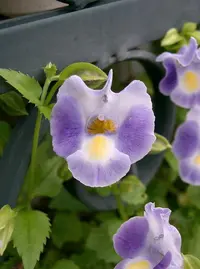
bluewings
Torenia fournieri
Bogbean
Menyanthes trifoliata
Lehmann's rockjasmine
Androsace lehmanniana
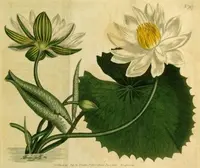
Egyptian white water-lily
Nymphaea lotus
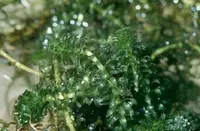
waterthyme
Hydrilla verticillata
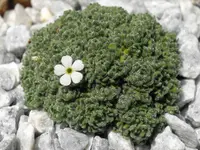
Swiss rockjasmine
Androsace helvetica
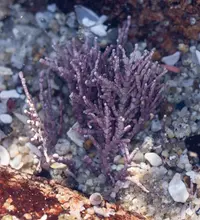
Calliarthron tuberculosum
Calliarthron tuberculosum
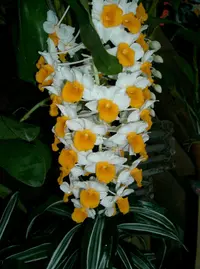
Pinecone-like raceme Dendrobium
Dendrobium thyrsiflorum