waterthyme Care (Hydrilla verticillata)

Also known as: Hydrilla, Florida-elodea, Indian Stargrass, Esthwaite Waterweed, wasserquirl, Indian star-vine
waterthyme

About waterthyme

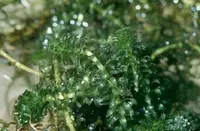
Waterthyme (Hydrilla verticillata) is a submerged freshwater aquatic plant often used in ponds, aquariums, and educational setups. It forms dense underwater stands with thin, branching stems and narrow, pointed leaves arranged in whorls along the stem.

This species is native to parts of Asia, Africa, and Australia but is now present in many US water bodies, where it can spread aggressively. It grows quickly, adapts to varied water conditions, and competes strongly for light and nutrients, which makes it both useful and potentially invasive. Those who want to care for waterthyme should know it prefers still or slow-moving, nutrient-rich water and stable light conditions rather than detailed substrate or soil management.

Main Plant Requirements

Care Difficulty

Moderate Care

Light Preference

Full Sun

Water Requirements

Aquatic

Temperature Preference

Warm Climate

Hardiness Zone

6–11

Soil Texture

Sandy, Loamy, Organic-rich

Soil pH

Slightly acidic (6.5–7.0), Neutral (7.0)

Soil Drainage

Waterlogged tolerant

Fertilization

Minimal (feed rarely)

Get Personalized Care Plan

Scan your plant to receive care tips personalized for your specific plant

Available on iOS and Android

How to Care for the waterthyme

Hydrilla verticillata is an aquatic plant that needs consistent, bright light to maintain dense, healthy growth.

  • Provide 8–12 hours of direct sun in outdoor ponds or lakes; in smaller, clear water bodies, 6–8 hours of full sun is usually sufficient.
  • It tolerates partial shade, but prolonged low light causes leggy, weak stems and reduced oxygen production in the water.
  • In hot summers, some afternoon shade or slightly deeper water helps prevent overheating and light stress, while in winter low sun slows growth but usually does not kill established waterthyme.

As a submerged aquatic species, Hydrilla verticillata relies on stable, clean water rather than soil moisture control.

  • Grow it fully submerged in still or slow-moving water with at least 30–60 cm depth so stems remain underwater in seasonal fluctuations.
  • Clear to moderately turbid water is acceptable, but heavy sediment, pollution, or sudden water-level drops cause dieback and thinning.
  • Watch for pale, collapsing tops as a sign of poor water quality or rapid level changes; strong, green, branching shoots indicate suitable underwater conditions.

This aquatic plant grows best in warm water but survives a relatively wide temperature range if protected from frost.

  • Optimal growth occurs around 68–86°F (20–30°C), where stems elongate quickly and form dense underwater mats.
  • It tolerates down to about 41–50°F (5–10°C), but growth slows sharply and foliage may thin; hard frost or ice cover can damage exposed shoots.
  • In hot climates, water above 90°F (32°C) can stress plants; deeper zones or partial shade help buffer extreme summer temperatures.

This fully aquatic species does not depend on air humidity for healthy growth.

Hydrilla verticillata is rooted in underwater sediment rather than typical potting soil, but substrate choice still affects growth and spread.

  • Use fine sand or silt-like aquatic substrate with moderate organic content to anchor stems without compacting too hard.
  • Ensure the substrate allows slow water movement through its upper layer so nutrients circulate and roots access oxygenated water.
  • Aim for slightly acidic to neutral conditions, around pH 6.5–7.5, which support stable nutrient availability in planted tanks or ponds.
  • Avoid clay-heavy, strongly mucky, or nutrient-loaded sediments that encourage anaerobic (oxygen-poor) zones and excessive algal blooms.

This species is suitable for container growing in ponds or large water tubs when managed carefully.

  • Choose wide, low tubs or baskets so the spreading root system and stolons can colonize horizontally without tipping the container.
  • Place a layer of heavier sand or fine gravel above the substrate to prevent it from clouding the water when stems are disturbed.
  • Secure the container so vigorous growth and water movement do not dislodge it or allow fragments to escape and spread invasively.

Hydrilla verticillata usually obtains nutrients from the water column, so heavy fertilization is unnecessary in most setups.

  • In low-nutrient aquariums, use a dilute balanced NPK liquid fertilizer at 25–50% label strength.
  • Dose lightly every 2–4 weeks during active growth if leaves pale or growth slows.
  • Avoid fertilizing when biological load is high to reduce algae issues.
  • Skip or greatly reduce dosing in winter or when plant growth naturally slows.

Pruning Hydrilla verticillata controls density, maintains water flow, and limits shading of other aquatic plants.

  • Trim during peak growth seasons, typically spring to early fall, to manage spread.
  • Cut back long, tangled, or crowded stems, plus any damaged or decaying sections.
  • Use clean aquascaping scissors to make sharp cuts just above healthy nodes.
  • Regular thinning improves light penetration, encourages bushier growth, and reduces oxygen depletion at night.

This species is most often grown loose or lightly anchored rather than potted, so focus on thoughtful transplanting in aquatic systems.

  • Consider transplanting when stems overcrowd, growth slows, or roots tangle around weights or small baskets.
  • Best timing is spring to early summer, when water temperatures rise and growth is active.
  • Gently lift clumps, trim damaged roots, and replant small bundles into substrate or attach to weights.
  • Keep roots shaded from air and re-submerge quickly to limit stress and prevent tissue drying.

Hydrilla verticillata is commonly propagated vegetatively, which allows rapid colonization of suitable aquatic habitats.

  • Use stem cuttings 10–15 cm long taken from healthy, disease-free shoots.
  • Best seasons are spring and summer, when water is warm and growth is fast.
  • Strip lower leaves, then anchor cuttings into substrate or weight them so at least 2–3 nodes are buried.
  • Provide stable water conditions, moderate light, and low disturbance until new roots and lateral shoots form.

In most temperate ponds, Hydrilla verticillata requires little direct winter care, as growth slows and plants may retreat to dormant structures underwater.

  • Ensure water remains deep enough that plant material and overwintering buds stay below ice.
  • Outdoor containers in cold climates should be sunk deeper or moved to frost-free, cool indoor water.
  • In mild climates, simply reduce maintenance and allow natural seasonal dieback and regrowth.

Care Tips

Substrate Anchoring

Secure stems in a shallow layer of clean sand or fine gravel at the tank bottom to prevent plants from floating and to promote stable, upright growth for easier management.

Regular Biomass Harvest

Trim and physically remove excess stems every 1–2 weeks to maintain open water flow, prevent clogging of pumps and filters, and reduce the risk of uncontrolled spread.

Quarantine New Stock

Hold newly acquired plants in a separate container for 10–14 days so you can inspect for snails, eggs, or hitchhiking algae before introducing them to the main system.

Containment Barriers

Use fine-mesh screens over overflows and filter intakes, and keep plants within weighted rings or frames, to avoid fragments escaping into natural waterways or other tanks.

Seasonal Light Adjustment

Shorten photoperiods and slightly reduce nutrient dosing during cooler months to slow growth, then gradually increase both in spring to keep growth predictable when growing waterthyme in controlled systems.

Common Pests and Diseases

Leaf-mining fly

This pest creates winding, pale tunnels inside the submerged leaves, reducing photosynthesis and weakening shoots. Symptoms include thin, whitish trails and premature leaf deterioration.

Solution

Remove and discard heavily damaged shoots to reduce larval populations, then use a targeted aquatic-safe insecticide labeled for leaf-mining flies if damage continues. Maintaining dense, competitive stands of healthy plants and encouraging natural predators like aquatic beetles can help keep populations lower over time.

Hydrilla tip miner

This pest damages young shoot tips, causing distorted, stunted, or blunted growth that can slow spread of the plant. Symptoms include browned or hollowed stem tips and reduced branching.

Solution

Regularly harvest and discard affected shoot tips to physically remove larvae and pupae from the system. In managed ponds, biological control agents such as approved tip-mining insects or fish may be introduced under local regulations to suppress populations as part of broader Hydrilla verticillata plant care.

Stem-boring midge

This pest bores into stems and internal tissues, leading to weakened, hollow stems that break easily and reduce overall biomass. Symptoms include fragile stems, internal tunneling, and localized stem collapse.

Solution

Cut and remove visibly weakened or collapsing stems to remove larvae from the water body. If infestations are severe in managed systems, integrate biological control where permitted, and avoid nutrient-rich conditions that promote rapid but weak growth, which is more vulnerable to boring damage.

Epiphytic algal overgrowth

This disease-like condition occurs when filamentous algae coat leaves and stems, blocking light and reducing gas exchange. Symptoms include a fuzzy, green to brown coating over hydrilla surfaces and slowed growth.

Solution

Manually remove algal mats where possible, then reduce nutrient inputs such as fertilizers and organic runoff that fuel algal growth. Introducing appropriate herbivorous fish and improving water circulation can help control algae while still allowing for controlled growing waterthyme in managed aquatic systems.

Fungal leaf blight

This disease is caused by opportunistic aquatic fungi that attack stressed hydrilla, producing brown, necrotic patches on leaves and gradual tissue breakdown. Symptoms include irregular brown spots, frayed leaf edges, and localized dieback of shoots.

Solution

Remove and discard affected plant material to reduce fungal spore load, and improve water quality by lowering excess nutrients and organic debris. Avoid sudden environmental stress such as sharp temperature or water chemistry changes, and maintain moderate plant density so water flow can limit fungal buildup on leaf surfaces.

Interesting Facts

Clonal mat formation

This submerged aquatic species often spreads by fragments and underground tubers, forming dense clonal mats that can completely blanket the water column from sediment to surface in slow-moving or still waters.

Tuber and turion strategy

It produces both underground tubers and specialized resting buds called turions, which allow the plant to survive drought, freezing, and mechanical removal attempts for several years.

Extremely efficient photosynthesis

The leaves can use dissolved carbon in multiple chemical forms, allowing highly efficient photosynthesis even in low-light, nutrient-poor, or carbon-limited freshwater habitats.

Botan icon

Did you know?

In many invaded water bodies, this species can alter entire freshwater ecosystems by slowing water flow, trapping sediments, and changing nutrient cycling, which in turn reshapes habitat structure for fish, invertebrates, and native aquatic plants.

FAQs about waterthyme

This species is extremely fast-growing, often adding 2–5 cm per day and doubling its biomass within 2–4 weeks under warm, nutrient-rich, still or slow-moving water. Regular thinning is important to prevent dense, tangled mats.

Grow Healthy Plants with Botan Care

Keep your plants happy and healthy with plant identification, disease detection, and easy care guidance.


Botan plant care app — identify plants on mobile

Explore More Plants