Shallow Pond Placement
Position plants in 5–20 cm of still or very slow-moving water at the edge of a pond or container water garden so stems can root along the waterline and form a stable, spreading colony.

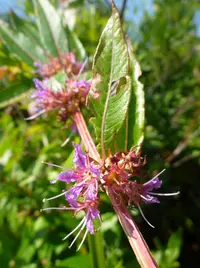
Swamp loosestrife, Decodon verticillatus, is a hardy, semi-woody perennial often found along the edges of ponds, lakes, and slow-moving streams. It forms dense, arching clumps that can create a natural-looking shoreline border.
The plant typically has narrow green leaves on reddish stems and produces clusters of pink to purple flowers in summer, which attract pollinators. It spreads by both seeds and creeping stems, so it can gradually form large colonies in wet ground.
This species thrives in very moist to shallowly flooded conditions and prefers full sun to light shade. Gardeners who understand how to care for swamp loosestrife usually find it robust and long-lived, provided its need for consistent moisture is met.

Care Difficulty
Moderate Care

Light Preference
Full Sun

Water Requirements
Aquatic

Temperature Preference
Cold Hardy

Hardiness Zone
4–9

Soil Texture
Loamy, Silty, Organic-rich

Soil pH
Acidic (5.5–6.5), Slightly acidic (6.5–7.0)

Soil Drainage
Waterlogged tolerant

Fertilization
Minimal (feed rarely)
Scan your plant to receive care tips personalized for your specific plant
Available on iOS and Android
This marginal aquatic plant prefers long, bright days to flower and grow strongly.
This species is adapted to consistently wet, even saturated, conditions along pond edges and marshes.
This hardy perennial tolerates broad outdoor temperature swings but grows best in mild to warm conditions.
This semi-aquatic species prefers very high humidity and saturated air around foliage.
This wetland shrub thrives in permanently moist, organic-rich substrates rather than typical garden beds.
This species can be grown in containers when the setup mimics a shallow pond or water garden edge.
This wetland perennial usually needs minimal feeding when grown in rich, mucky soil or natural ponds.
Pruning Decodon verticillatus helps manage height, spread, and flowering display in managed ponds or shoreline plantings.
This species is more often transplanted in landscapes than repotted, as it is typically grown in ponds, bog beds, or wet ditches.
Decodon verticillatus is commonly propagated to expand plantings in wetland gardens and naturalized shorelines.
This hardy wetland shrub usually tolerates cold winters in its native range with minimal attention.

Plant Health Check
Not sure what's wrong with your plant? Check your plant's health inside the app.
This species often spreads by arching stems that root where they touch saturated soil or shallow water, forming dense, genetically related colonies along pond and marsh edges.
Plants tolerate fluctuating water levels, growing in saturated soils, standing water up to several tens of centimeters deep, and even on exposed mud as conditions change through the season.
Its rose-purple flowers open in mid to late summer when many wetland plants have finished blooming, providing an important nectar source for native bees, butterflies, and other insects.

In parts of its native range, this species can form nearly continuous, floating or emergent mats along shorelines, where the interwoven stems and roots create complex habitat structure that shelters fish fry, amphibians, and aquatic invertebrates from predators and strong currents.
This species spreads steadily by creeping stems and self-seeding in wet soils. In small ponds or rain gardens, monitor its spread and thin clumps regularly. Removing spent seed heads helps limit unwanted colonization and maintains balance with neighboring plants.
Keep your plants happy and healthy with plant identification, disease detection, and easy care guidance.