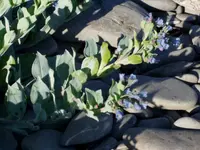
green arrow arum Care (Peltandra virginica)

green arrow arum

About green arrow arum

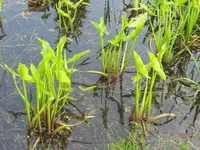
Green arrow arum (Peltandra virginica) is a native North American wetland plant often found along pond edges, marshes, and slow-moving streams. It forms dense clumps of upright, arrow-shaped leaves emerging from rhizomes underground.

The foliage is typically glossy green, with sturdy petioles that hold leaves well above the waterline, giving a bold, architectural look. In season, it produces hooded greenish flower structures followed by clusters of berries.

This species is adapted to consistently wet or shallowly flooded conditions and tolerates heavy, mucky soils. It is generally robust once established, but learning how to care for green arrow arum means providing steady moisture and avoiding dry, exposed sites.


Main Plant Requirements

Care Difficulty

Moderate Care

Light Preference

Partial Sun

Water Requirements

Aquatic

Temperature Preference

Cold Hardy

Hardiness Zone

4–9

Soil Texture

Loamy, Clay, Organic-rich

Soil pH

Acidic (5.5–6.5), Slightly acidic (6.5–7.0)

Soil Drainage

Waterlogged tolerant

Fertilization

Minimal (feed rarely)

Get Personalized Care Plan

Scan your plant to receive care tips personalized for your specific plant

Available on iOS and Android

How to Care for the green arrow arum

This wetland species thrives in bright, open conditions but tolerates partial shade in natural pond or bog settings.

  • Aim for 4–6 hours of direct morning sun with light or dappled shade in the afternoon to prevent leaf scorch, especially in hotter regions.
  • Green arrow arum grows well in full sun in cool to mild climates, but in areas with intense summer sun, provide filtered light from taller plants or structures.
  • In deep shade (less than 2 hours of direct or bright filtered light), expect slower growth, fewer flowers, and thinner, elongated leaves.

This rhizomatous marginal aquatic plant prefers consistently saturated conditions rather than fluctuating wet–dry cycles.

  • In natural ponds or boggy soil, allow roots and lower stems to stay in shallow standing water or fully saturated muck, never letting the substrate dry out.
  • For garden edges, water whenever the top 1–2 cm of soil begins to lose its sheen and feel less spongy, aiming for evenly wet soil without exposed dry patches.
  • Monitor for underwatering when leaves droop, curl, or brown at the tips, and suspect chronic overwatering with poor drainage if water smells stagnant and rhizomes turn soft.

This hardy wetland perennial tolerates a wide temperature range but grows best in warm, frost-free periods.

  • Active growth is strongest at 68–82°F (20–28°C), with steady shoot and leaf expansion during late spring and summer.
  • The plant survives winter dormancy down to about 0–5°F (-18 to -15°C) in the rhizomes if submerged or mulched, though top growth dies back with the first hard frost.
  • In hot climates with summer highs above 90°F (32°C), ensure constant water coverage around the crown to buffer heat stress and prevent leaf scorch on Peltandra virginica.

This semi-aquatic species prefers consistently moist air but usually adapts to typical home humidity if soil moisture is stable.

  • Aim for 50–70% humidity, matching the naturally damp habitats favored by green arrow arum.
  • Brown, crisp leaf edges or slowed new growth can indicate air that is too dry combined with uneven watering.
  • Increase local humidity by grouping plants near a water tray or shallow pebble tray, while keeping the root zone constantly moist.

This wetland plant needs saturated, organic-rich soil rather than a standard potting substrate.

  • Use a heavy loam or clay-loam rich in organic matter, such as garden soil mixed with 30–40% compost.
  • Maintain soil that is poorly drained to standing water; Peltandra virginica tolerates waterlogged conditions that many plants cannot handle.
  • Target a slightly acidic to neutral pH around 6.0–7.0, typical of many pond margins and boggy sites.
  • Avoid sandy, fast-draining mixes; for containers, omit perlite and bark and instead pack soil firmly to reduce air gaps and retain water.

This species can grow in containers, especially as a marginal or bog plant in water gardens.

  • Choose a wide, heavy container to anchor the plant and prevent tipping as tall foliage develops.
  • Use pots without drainage holes or place the pot in a watertight outer tub so the soil can stay flooded.
  • Submerge the container so the water line sits just above the soil surface, adjusting depth if leaves show prolonged yellowing.

This wetland perennial grows well in rich, organic soil and only needs light feeding for healthy foliage.

  • Use a balanced, slow-release aquatic or general fertilizer (around 10-10-10) or incorporate compost into the planting area in spring.
  • Feed every 6–8 weeks during active growth if soil is poor; skip feeding in naturally fertile ponds or bogs.
  • Dilute liquid fertilizer to 1/2–1/4 strength and apply to the soil, not directly into standing water.
  • Stop feeding in late fall and avoid winter applications, as green arrow arum enters dormancy.

Peltandra virginica needs simple maintenance pruning to keep clumps tidy and healthy.

  • Best time for pruning is late winter or early spring before strong new growth starts.
  • Remove dead, yellowing, storm-damaged, or diseased leaves at the base using clean, sharp scissors or pruners.
  • Thin out crowded or overlapping stems to improve air flow and maintain an open, upright clump form.
  • Cut spent flower stalks back to the base if seeds are not desired, directing energy to root and leaf growth.

This species is usually grown in ponds or bogs, so care focuses on dividing and transplanting clumps rather than frequent repotting.

  • Transplant or divide every 3–5 years in early spring when growth resumes and water is cool.
  • Look for dense, congested clumps, reduced leaf size, or slow growth as signs the plant needs more space.
  • Lift rhizomes gently, rinse off mud, and separate sections with several healthy buds and roots to reduce stress.
  • Replant divisions at the same depth in rich, saturated soil, then keep water level stable while roots re-establish.

New plants are most reliably produced by division of established clumps rather than from seed.

  • Divide rhizomes in early spring when new shoots just emerge and water temperatures start to rise.
  • Carefully dig or lift a portion of the clump, then separate sections with at least 2–3 buds and firm white roots.
  • Plant divisions into muddy, nutrient-rich, consistently wet soil and firm them in to remove air pockets.
  • For seed propagation, sow fresh seed in shallow trays of saturated soil and keep warm and bright for slow germination.

In most temperate climates this hardy wetland plant overwinters outdoors with minimal intervention.

  • Tolerates freezing temperatures when rhizomes are submerged or insulated in saturated soil.
  • In exposed garden sites, add 5–7 cm of mulch over the root zone to buffer freeze–thaw cycles.
  • For containers in cold regions, sink pots below the frost line in a pond or move them to a cool, frost-free space.

Care Tips

Control Rhizome Spread

Install a flexible plastic or rubber rhizome barrier 20–30 cm deep around planting zones if you want to limit spread, leaving at least 5–8 cm of soil above the barrier so it does not show but still redirects underground growth back into the bed or pond.

Stabilize Pond Edges

Plant clumps slightly staggered along shorelines or around pond margins, and press rhizomes firmly into the substrate to reduce erosion and help anchor loose soil in shallow water zones.

Manage Seasonal Dieback

In late fall, cut back collapsed foliage to just above the crown and remove debris from the water or shoreline to reduce overwintering sites for rot and aquatic pests while keeping the rhizome undisturbed.

Use Aquatic Containers

For easier control when growing green arrow arum in lined ponds, set plants in wide, shallow aquatic baskets filled with heavy loam and sink them to the desired depth, which simplifies division, relocation, and inspection for root health.

Divide For Vigor

Every 3–5 years, lift and divide overcrowded clumps in early spring, replanting only firm, white rhizome sections with several buds to maintain strong foliage and reliable flowering.

Common Pests and Diseases

Leaf spot

This disease causes brown to dark olive spots on leaves that may merge into larger blotches, especially on older foliage in warm, wet conditions.

Solution

Remove and discard heavily spotted leaves, avoid overhead watering in shallow containers, and keep fallen plant debris out of the water. In garden ponds, improve water circulation and, if needed, apply a pond-safe fungicide labeled for leaf spot on aquatic plants according to label directions.

Rust fungus

This disease produces small yellow to orange pustules on the undersides of leaves, sometimes leading to yellowing and early leaf drop along pond margins.

Solution

Cut and dispose of affected leaves before spores spread, and thin crowded clumps to improve air movement above the waterline. Avoid splashing infected foliage when working in the pond, and use an aquatic-safe fungicide labeled for rust only if cultural measures do not control the problem.

Aphids

These insects cluster on tender shoots and undersides of leaves, sucking sap and causing curling, distortion, and sticky honeydew that can attract sooty mold.

Solution

Rinse colonies off foliage with a firm stream of clean water, or submerge emergent leaves briefly if practical without stressing the plant. For persistent infestations, use insecticidal soap or a horticultural oil that is labeled as safe for aquatic use, applied in calm weather to minimize drift into open water.

China mark moth

This pest is an aquatic moth whose larvae feed on leaves, often cutting and folding pieces of foliage into protective cases while chewing irregular holes.

Solution

Handpick and remove leaf cases and damaged leaves where feasible, and skim floating debris from the pond surface to reduce larval shelter. Encourage natural predators such as fish where appropriate for the pond system, and avoid broad-spectrum insecticides that harm aquatic life.

Leaf-chewing beetles

These insects feed along leaf edges and surfaces, creating ragged margins and windowed patches, especially on plants growing at the shallow pond edge.

Solution

Inspect plants regularly and pick off adult beetles by hand, dropping them into soapy water. Reduce nearby weedy growth that shelters beetles, and if damage is severe, use a targeted, pond-safe product such as a spinosad formulation applied carefully to emergent foliage, avoiding direct contact with open water.

Interesting Facts

Unique seed dispersal

The fruits of this species float, allowing seeds to disperse via water currents and colonize new wetland areas downstream. This hydrochory, or water-based dispersal, is well adapted to slow-moving rivers and marshes where the plant typically grows.

Specialized pollination strategy

The inflorescences produce a faint, sometimes unpleasant odor that attracts small flies and beetles which act as pollinators. The flower structure partially encloses these insects, increasing the chance that they contact pollen before exiting.

Rhizomes stabilize shorelines

Its thick, creeping rhizomes form dense clumps that bind soft, silty soils in marshes and stream margins. These root systems reduce erosion and help trap sediments, contributing to wetland stability and water quality.

Botan icon

Did you know?

Indigenous groups in eastern North America historically used the starchy underground rhizomes of this plant as an emergency or famine food, carefully processing them to remove irritating compounds before eating.

FAQs about green arrow arum

Yellowing foliage often results from older leaves aging out, sudden changes in water depth, or nutrient-poor, compacted substrate. Check that the rhizomes stay submerged in oxygenated, low-salinity water and top up with a balanced aquatic fertilizer if needed.

Grow Healthy Plants with Botan Care

Keep your plants happy and healthy with plant identification, disease detection, and easy care guidance.

Botan plant care app — identify plants on mobile

Explore More Plants