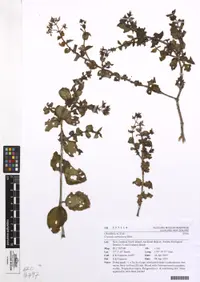
Trim after flowering
Cut back spent flower stems and slightly shorten leggy shoots right after blooming to encourage a compact cushion and more branching for next season.

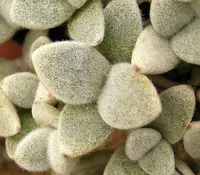
Kalanchoe eriophylla is a compact succulent shrublet known for its small, rounded leaves densely covered in white, woolly hairs. This gives the plant a silvery, frosted look year-round.
It grows slowly and stays low, forming tight mounds that suit small pots, rock gardens, or bright windowsills. In its native habitats of Madagascar, it thrives in dry, sunny conditions with well-drained, rocky soils.
The plant stores water in its leaves and is sensitive to excess moisture, so overwatering is the main challenge when learning how to care for Kalanchoe eriophylla. It generally prefers bright light, light watering, and gritty soil mixes that dry quickly.

Care Difficulty
Moderate Care

Light Preference
Full Sun

Water Requirements
Low Water

Temperature Preference
Tropical / Frost Sensitive

Hardiness Zone
10–11

Soil Texture
Sandy, Loamy, Rocky

Soil pH
Slightly acidic (6.5–7.0), Neutral (7.0)

Soil Drainage
Well-drained

Fertilization
Minimal (feed rarely)
Scan your plant to receive care tips personalized for your specific plant
Available on iOS and Android
This compact succulent prefers bright, gentle light that mimics high, open but not harsh alpine sun.
This species has fleshy, woolly leaves that store water, so it prefers infrequent but thorough watering.
This succulent prefers mild, dry conditions and does poorly in prolonged cold or very humid heat.
This species prefers dry air and thrives in low-humidity indoor conditions.
Use a very fast-draining, gritty mix to prevent root rot in Kalanchoe eriophylla.
This compact succulent is well suited to container growing.
Light feeding supports compact growth and flowering in Kalanchoe eriophylla without overstimulating soft, weak tissue.
Thoughtful pruning helps Kalanchoe eriophylla stay compact, tidy, and capable of good flowering.
This small succulent prefers slightly tight containers and only occasional repotting to refresh the soil.
New Kalanchoe eriophylla plants are most often produced from stem or leaf cuttings rather than seed.
Cool, dry winter conditions suit this succulent, but it is not tolerant of prolonged freezing.

Plant Health Check
Not sure what's wrong with your plant? Check your plant's health inside the app.
This species is native to the semi-arid Karoo region of South Africa, where it grows in rocky crevices and gravelly slopes, often in very shallow, fast-draining soils.
Its dense white hairs are true leaf trichomes that reflect strong sunlight and create a thin insulating air layer, helping reduce water loss and leaf overheating in high-radiation habitats.
Instead of growing tall, this plant forms low, branching mats that hug the ground, a growth form that protects stems from desiccating winds and uses the slightly cooler, more humid boundary layer near the soil surface.
Lack of blooms usually comes from insufficient light, too much nitrogen fertilizer, or no cool, short-day period. This species often needs brighter conditions and a slight temperature drop in winter to set flower buds reliably.
Keep your plants happy and healthy with plant identification, disease detection, and easy care guidance.

_4-1-200x112.webp)