


Salt-tolerant placement
Use this species as a front-row plant in coastal or roadside plantings where soil may be slightly saline, since its natural salt tolerance helps stabilize exposed, poor substrates.

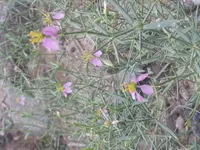
Zygophyllum indicum is a small, drought-adapted shrub from arid and semi-arid regions, typically found in sandy or rocky soils. It belongs to the caltrop family and often forms low, spreading clumps. The foliage is usually small, fleshy, and paired, helping the plant conserve water and tolerate strong sun and dry winds. Flowers are modest but add seasonal interest and attract local pollinators. This species is generally resilient if kept dry, making it suitable for xeriscapes and low-maintenance planting. Understanding how to care for Zygophyllum indicum mainly involves providing bright light, excellent drainage, and avoiding overwatering.

Care Difficulty
Moderate Care

Light Preference
Full Sun

Water Requirements
Low Water

Temperature Preference
Warm Climate

Hardiness Zone
9–11

Soil Texture
Sandy, Loamy, Rocky

Soil pH
Slightly alkaline (7.0–7.5), Alkaline (7.5–8.5)

Soil Drainage
Well-drained

Fertilization
Minimal (feed rarely)
Scan your plant to receive care tips personalized for your specific plant
Available on iOS and Android
This desert shrub prefers strong, direct light but benefits from some protection during the hottest hours.
This species is drought-tolerant and must dry well between waterings to avoid root problems.
This plant thrives in warm, dry conditions and is sensitive to cold, especially prolonged frost.
This desert species tolerates low humidity and usually needs no special moisture management indoors.
Use very fast-draining, mineral-rich soil to prevent root rot in Zygophyllum indicum.
This species is suitable for container growing when the pot setup keeps roots dry and stable.
This drought-adapted shrub needs only light feeding in poor soils, and none in naturally fertile ground.
Pruning is mainly used to maintain a compact shape and remove weak growth on Zygophyllum indicum.
Transplanting is rarely needed once established, as this species prefers a stable, dry site.
New plants are usually raised from semi-ripe cuttings or seeds taken from mature Zygophyllum indicum plants.
This species is adapted to warm, arid climates and may suffer damage in regions with prolonged frost.

Plant Health Check
Not sure what's wrong with your plant? Check your plant's health inside the app.
This species often grows in salty, arid coastal and inland habitats, using succulent leaf tissue to dilute and store excess salts without damaging its cells.
The plant forms small, fleshy opposite leaflets that reduce surface area and water loss, an adaptation that allows it to remain physiologically active under intense sun and low rainfall.
Its low, branching habit and relatively deep root system help bind loose sandy soils, contributing to dune and desert surface stabilization in its native range and supporting growing Zygophyllum indicum in erosion-prone sites.
Brown leaves usually result from underwatering, intense direct sun scorch, or salt buildup from fertilizer. Check soil moisture, flush the substrate occasionally with clean water, and reduce fertilizer strength to prevent further tissue dehydration and tip burn.
Keep your plants happy and healthy with plant identification, disease detection, and easy care guidance.

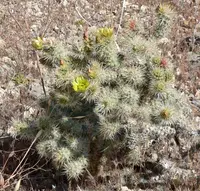
Wiggins' cholla
Cylindropuntia echinocarpa
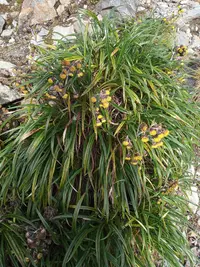
Senecio comosus
Senecio comosus
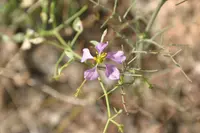
sticky fagonbush
Zygophyllum pachyacanthum
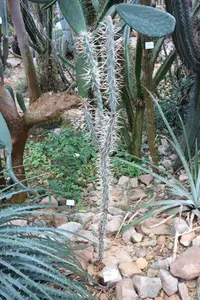
Long-spine Cholla
Cylindropuntia molesta
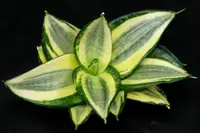
Bird's Nest Snake Plant
Dracaena trifasciata 'Golden Hahnii'
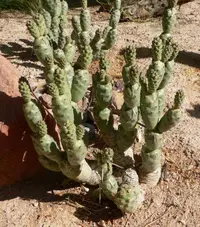
Pine Cone Cactus
Tephrocactus articulatus
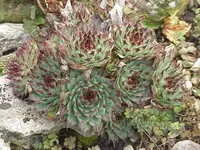
houseleek
Sempervivum calcareum
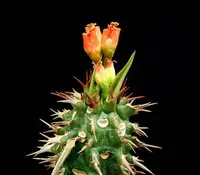
Euphorbia viguieri
Euphorbia viguieri