Aeonium castello-paivae Care

Aeonium castello-paivae

About Aeonium castello-paivae

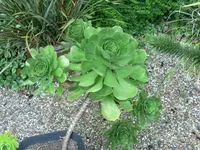
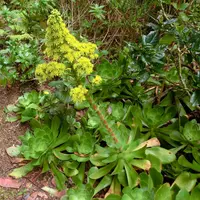
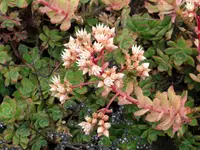
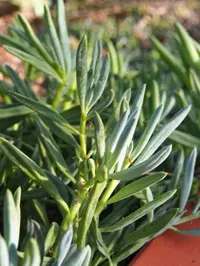
Aeonium castello-paivae is a compact, branching succulent shrub valued for its small rosettes of fleshy, spoon-shaped leaves. The foliage often shows soft green tones with lighter margins, and plants can form low, mounded clumps over time.

This species comes from the Canary Islands, where it grows in mild, bright, and relatively dry conditions. Its water-storing leaves and shallow roots make it tolerant of short droughts but sensitive to prolonged wetness. Understanding how to care for Aeonium castello-paivae starts with providing bright light, fast-draining soil, and protection from hard frost.

Its slow to moderate growth and neat habit suit containers, balcony plantings, and mixed succulent arrangements. It is generally considered manageable for beginners who pay attention to watering and light levels.

Main Plant Requirements

Care Difficulty

Moderate Care

Light Preference

Partial Sun

Water Requirements

Low Water

Temperature Preference

Tropical / Frost Sensitive

Hardiness Zone

10–11

Soil Texture

Sandy, Loamy, Rocky

Soil pH

Slightly acidic (6.5–7.0), Neutral (7.0)

Soil Drainage

Well-drained

Fertilization

Minimal (feed rarely)

Get Personalized Care Plan

Scan your plant to receive care tips personalized for your specific plant

Available on iOS and Android

How to Care for the Aeonium castello-paivae

This succulent prefers bright, gentle light that avoids harsh summer extremes.

  • Provide 4–6 hours of direct morning sun plus bright, filtered light for the rest of the day to keep rosettes compact and well colored.
  • Tolerates light afternoon sun in mild climates, but in hot, arid areas protect Aeonium castello-paivae from intense midday sun that can cause leaf scorch.
  • In winter, move containers or choose outdoor spots with maximum sun exposure to compensate for shorter days and lower light angles.

Watering should respect its succulent leaves and shallow roots to avoid rot.

  • Allow the top 3–5 cm of soil to dry before watering; soil should feel dry and loose, not cool and compacted.
  • Increase watering slightly in active growth (cooler months) and reduce sharply in summer dormancy, giving just enough to prevent complete shriveling.
  • Watch for mushy, translucent leaves and a sour smell as overwatering signs, and wrinkled, folding leaves plus very light pots as underwatering indicators.

Temperature management supports compact growth and reduces stress in this succulent.

  • Aim for 60–75°F (16–24°C) during active growth, where metabolic processes and leaf development stay stable.
  • Protect plants when temperatures drop near 32°F (0°C); brief light frost may scar leaves, while hard frost can kill growing points.
  • Tolerates short heat spells up to about 90°F (32°C) if shaded from harsh sun and given slightly increased airflow without heavy watering in peak heat.

This species handles typical indoor humidity well and rarely needs special adjustment.

  • Best growth occurs around 30–50% humidity, similar to average heated or air-conditioned homes.
  • Tolerates drier air if soil is not kept wet, as low humidity reduces rot risk for this succulent.
  • If rosettes stay firm and foliage is not wrinkling or browning at the tips, humidity is adequate.

Aeonium castello-paivae prefers a very free-draining, mineral-rich mix that dries quickly between waterings.

  • Use a gritty, sandy mix such as 50–70% inorganic material (pumice, coarse perlite, grit, or coarse sand) blended with 30–50% standard potting mix.
  • Aim for slightly acidic to neutral pH, roughly 6.0–7.0, which most all-purpose potting bases already provide.
  • Improve aeration by adding large-particle amendments (pumice or 5–10 mm gravel) that create air gaps and prevent compaction.
  • Avoid heavy, peat-dense or clay-like mixes that stay wet, as these promote root rot and stem base collapse.

This small branching succulent is well suited to container growing.

  • Choose a wide, shallow pot that matches the shallow root system and supports the spreading rosettes without wasting depth.
  • Select unglazed terracotta if extra evaporation is needed to keep the mix dry between waterings in cooler or dimmer locations.
  • Use a pot that is heavy enough or low and broad enough to prevent toppling as stems elongate and shift the plant’s center of gravity.

This compact succulent benefits from light feeding during active growth but is sensitive to excess nutrients.

  • Apply a diluted balanced liquid fertilizer (for example 10-10-10 at 1/4–1/2 strength) every 4–6 weeks in spring and early summer.
  • Use a low-dose slow-release succulent formula or a thin layer of fine compost mixed into the topsoil, avoiding direct contact with stems.
  • Stop feeding in late summer as Aeonium castello-paivae approaches dormancy, and do not fertilize in winter.
  • Always water lightly before applying fertilizer to reduce root burn and avoid feeding stressed or very dry plants.

Pruning is mainly used to keep this aeonium compact and remove weak growth.

  • Best time is late winter to early spring, just before strong new growth begins.
  • Remove dead, damaged, leggy, or crowded rosettes with clean, sharp scissors or pruning snips.
  • Shortening overly long stems improves shape, light penetration, and branching potential.
  • Disinfect tools before and after use and let cut surfaces dry in good airflow to reduce disease risk.

Container-grown plants benefit from occasional repotting into fresh, free-draining mix to maintain vigor.

  • Check for roots circling the pot, water running straight through, or slowed growth as signs it is time to move Aeonium castello-paivae.
  • Repot every 2–3 years in late winter or early spring, before the main growth flush.
  • Choose a pot only 2–4 cm wider with drainage holes and use a gritty cactus-succulent mix.
  • Gently tease outer roots loose, remove old soil, replant at the same depth, and keep slightly dry for 5–7 days to limit transplant shock.

This species is commonly multiplied from stem or rosette cuttings rather than seed in home collections.

  • Take healthy stem cuttings with firm rosettes in late spring or early summer using clean, sharp scissors or a knife.
  • Allow cut ends to callus for 2–5 days in a dry, shaded place to reduce rot risk.
  • Insert cuttings into a barely moist, very gritty mix and keep in bright, indirect light at 65–75°F.
  • Water sparingly until roots form, then shift to normal Aeonium castello-paivae plant care once new growth appears.

This succulent is frost tender and needs protection in regions with cold winters.

  • Keep outdoor plants above about 35–40°F; in colder areas grow in containers for easier movement.
  • Before first frost, move pots indoors to a bright, cool room or greenhouse with good airflow.
  • Reduce watering greatly in winter, keeping soil almost dry to prevent cold-related root rot.
  • In mild climates, a light gravel mulch at the root zone helps drain water away from the crown during cool, wet periods.

Care Tips

Rotate for symmetry

Turn the pot 90° every 1–2 weeks during active growth so rosettes develop evenly and stems do not lean strongly toward the light source.

Refresh leggy stems

If stems become elongated and bare, behead the rosette with a clean knife, let the cut end callus for 2–3 days, then replant in gritty mix to rejuvenate the plant and encourage branching from the old stem.

Use shallow containers

Choose a wide, shallow pot rather than a deep one to match the relatively shallow root system, which helps prevent waterlogging in the lower part of the substrate and keeps the plant more stable.

Dry overwintering setup

In winter dormancy, move the plant to the brightest, coolest frost-free place available and reduce watering drastically, using a small fan or good air circulation to keep the rosettes dry and reduce rot risk.

Inspect tight rosettes

Regularly check inside the tight leaf rosettes for trapped debris and mealybugs, using a soft brush or tweezers to remove material and applying an appropriate insecticidal soap only if pests are confirmed when caring for Aeonium castello-paivae.

Common Pests and Diseases

Mealybugs

This pest appears as small white cottony clusters tucked into leaf rosettes and along stems, often causing leaf yellowing and distorted new growth.

Solution

Isolate the plant, then remove visible insects with a cotton swab dipped in 70% isopropyl alcohol and rinse the rosettes gently with lukewarm water; for heavier infestations, apply a neem oil or insecticidal soap spray, repeating every 7–10 days until no new mealybugs appear and avoid overfertilizing, which encourages soft, attractive growth.

Aphids

These insects cluster on tender shoot tips and flower stalks, sucking sap and leaving behind sticky honeydew that can encourage sooty mold on the foliage.

Solution

Spray the plant thoroughly with a strong, lukewarm water jet to dislodge colonies, then treat remaining insects with insecticidal soap or a dilute neem oil spray, repeating at 5–7 day intervals while also reducing excess nitrogen fertilizer that promotes soft, aphid‑prone growth.

Soft scale

This pest shows as flat, tan to brown bumps on stems and leaf bases that do not move when touched and gradually weaken the plant by feeding on sap.

Solution

Gently scrape or wipe off individual scales with a cotton swab dipped in 70% isopropyl alcohol, then follow up with repeated applications of horticultural oil or neem oil targeted at stems and leaf joints, and maintain good light and air movement to help the plant recover.

Powdery mildew

This disease produces white, powdery patches on leaves and stems, especially in crowded plants grown in cool, still air with fluctuating moisture.

Solution

Improve air circulation around the rosettes, avoid overhead watering late in the day, remove the worst affected leaves, and apply a sulfur‑based or potassium bicarbonate fungicide according to label directions, keeping foliage dry afterward to limit reinfection.

Stem rot (fungal)

Symptoms include soft, dark, collapsing stems at the base of rosettes, often following prolonged soil moisture and cool, low‑light conditions.

Solution

Cut away and discard all mushy or discolored tissue, allow remaining healthy rosettes to callus for 1–2 days, then replant in a very fast‑draining gritty succulent mix in a pot with large drainage holes, watering only when the mix is fully dry and providing bright light to reduce future fungal pressure while growing Aeonium castello-paivae.

Interesting Facts

Natural laurel forest resident

This species is native to the laurel cloud forests of Madeira, where it grows in cool, humid, oceanic conditions very different from the hot, arid habitats many other aeoniums occupy.

Miniature branching rosettes

It forms many small, offsetting rosettes on short, branching stems, creating dense cushions or low mounds rather than a single tall rosette typical of several related species.

Seasonal leaf behavior

In its native climate it keeps foliage for much of the year, but under hotter, drier conditions it can partially shed leaves and pause growth in summer, then resume active growth in cooler, moister seasons.

FAQs about Aeonium castello-paivae

Brown leaf tips or patches usually result from underwatering, strong midday sun, or cold drafts. Check soil moisture, protect from harsh sun and near-freezing temperatures, and remove only fully dead leaves to avoid stressing the plant further.

Grow Healthy Plants with Botan Care

Keep your plants happy and healthy with plant identification, disease detection, and easy care guidance.

Botan plant care app — identify plants on mobile

Explore More Plants