


Encourage Compact Form
Pinch back soft shoot tips in late spring to keep plants low, dense, and wind-resistant, and always use clean, sharp scissors or pruners to reduce infection risk.

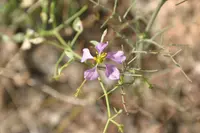
Sticky fagonbush (Zygophyllum pachyacanthum) is a compact, evergreen shrub from arid regions of southern Australia. It belongs to the caltrop family and is adapted to dry, sunny habitats.
Plants form low, rounded mounds with thick, jointed stems and small, fleshy, paired leaves that store water. The foliage and young stems often feel slightly sticky, especially in warm weather.
In spring and summer, it produces small yellow flowers that stand out against the blue-green foliage. Its slow, tidy growth habit and drought tolerance make it suitable for rock gardens, coastal gardens, and low-maintenance xeriscapes.
These traits mean it is generally easy to grow if it receives strong light, very free-draining soil, and minimal watering, which also guides how to care for sticky fagonbush.

Care Difficulty
Moderate Care

Light Preference
Full Sun

Water Requirements
Low Water

Temperature Preference
Warm Climate

Hardiness Zone
9–11

Soil Texture
Sandy, Loamy, Rocky

Soil pH
Slightly alkaline (7.0–7.5), Alkaline (7.5–8.5)

Soil Drainage
Well-drained

Fertilization
Minimal (feed rarely)
Scan your plant to receive care tips personalized for your specific plant
Available on iOS and Android
This drought-adapted shrub thrives in bright, open conditions with strong light intensity.
This species behaves like a semi-succulent and prefers infrequent, deep watering with thorough drying in between.
This plant is adapted to warm, dry climates and dislikes prolonged cold or humidity.
This species is adapted to very dry air and usually does not need extra humidity indoors.
This shrub prefers very free-draining, mineral soils that mimic arid, rocky habitats.
This species is well suited to container growing when drainage and stability are carefully managed.
This drought-adapted succulent shrub needs only light feeding in containers or very poor soils.
Pruning helps maintain a compact, tidy form and removes weak growth on Zygophyllum pachyacanthum.
This shrub prefers stable conditions and should be repotted or transplanted only when clearly needed.
Zygophyllum pachyacanthum is usually propagated from semi-ripe cuttings or fresh seed.
This species is suited to mild, dry winters and needs protection in colder, wetter climates.

Plant Health Check
Not sure what's wrong with your plant? Check your plant's health inside the app.
This species is native to coastal South Australia, where it grows on calcareous sands and limestone flats in very dry, windy, and often saline conditions.
The plant has small, fleshy, succulent leaves that store water, an adaptation that helps it survive long dry periods and intense sun exposure in its natural habitat.
Its short, thick, intricately branched stems often end in spine-like tips, creating a compact, cushion-like form that reduces wind damage and water loss near the soil surface.
Brown leaf tips usually come from underwatering, hot dry wind, or salt buildup from fertilizer. Check soil moisture, flush the pot occasionally, and protect the plant from harsh, drying exposure to reduce further browning.
Keep your plants happy and healthy with plant identification, disease detection, and easy care guidance.

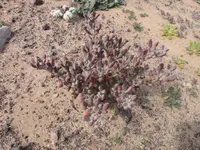
Zygophyllum gaetulum
Zygophyllum gaetulum
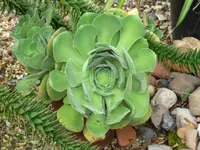
Canary Aeonium
Aeonium canariense
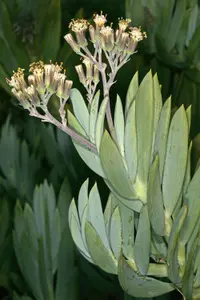
Mount Everest
Curio ficoides
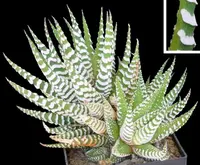
Zebra Haworthia
Haworthiopsis attenuata
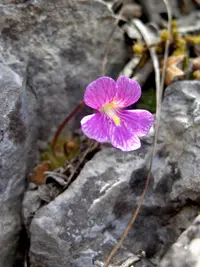
Pinguicula debbertiana
Pinguicula debbertiana

Acanthocereus oaxacensis
Acanthocereus oaxacensis
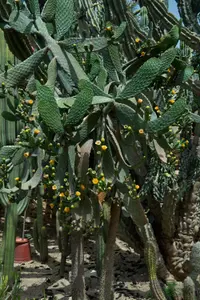
Road Kill Cactus
Consolea rubescens
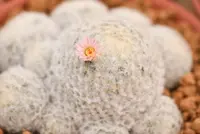
Powderpuff cactus
Mammillaria bocasana