Tenerife Aeonium Care (Aeonium cuneatum)

Tenerife Aeonium

About Tenerife Aeonium

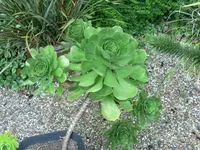
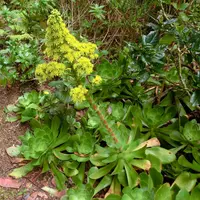
Tenerife aeonium, Aeonium cuneatum, is a rosette-forming succulent prized for its broad, flat, spoon-shaped leaves that create a tight, symmetrical mound. Mature plants can form low, spreading clumps that slowly expand over time.

This species is native to the Canary Islands, where it grows in sunny, rocky habitats with very well-drained soil. Its drought tolerance and relatively slow growth habit make it suitable for containers, rock gardens, and mild outdoor climates.

In cultivation it prefers bright light, minimal excess moisture, and gritty, fast-draining soil, which keeps the roots healthy. Understanding these natural conditions provides a good starting point for how to care for Tenerife Aeonium.

Main Plant Requirements

Care Difficulty

Moderate Care

Light Preference

Full Sun

Water Requirements

Low Water

Temperature Preference

Tropical / Frost Sensitive

Hardiness Zone

9–11

Soil Texture

Sandy, Loamy, Rocky

Soil pH

Slightly acidic (6.5–7.0), Neutral (7.0)

Soil Drainage

Well-drained

Fertilization

Minimal (feed rarely)

Get Personalized Care Plan

Scan your plant to receive care tips personalized for your specific plant

Available on iOS and Android

How to Care for the Tenerife Aeonium

Aeonium cuneatum prefers bright, direct sun with some protection from harsh extremes.

  • Provide 4–6 hours of direct morning sun plus bright light the rest of the day; in very hot regions, give filtered light after 2–3 pm to prevent leaf scorch.
  • Tenerife Aeonium tolerates light partial shade, but growth becomes looser and color duller if it gets under 3–4 hours of direct sun daily.
  • In summer heat waves, protect from reflective surfaces and intense afternoon sun; in winter, move containers or plant in spots with maximum unobstructed sun.

Aeonium cuneatum stores water in its leaves and prefers infrequent, deep watering.

  • Water only when the top 3–5 cm of soil are completely dry; then soak the root zone and let excess drain away fully.
  • Use sharply draining soil and raised beds or mounds; persistently wet soil, soft translucent leaves, or a sour smell indicate overwatering and root rot risk.
  • During active growth in cool seasons, you may water more often; in hot dormant periods, reduce frequency and watch for slight leaf wrinkling as a cue to water.

This succulent prefers mild temperatures and is sensitive to hard frost and extreme heat.

  • Aim for 60–75°F (16–24°C) for strongest growth, with good airflow to prevent heat buildup around the rosettes.
  • Protect from frost; brief dips to 30–32°F (-1–0°C) may damage leaves, and prolonged exposure below 28°F (-2°C) can kill the plant.
  • In hot climates, plants tolerate 85–90°F (29–32°C) if soil drains well and afternoons bring some shade; above this, stress and leaf scorch become more likely.

Aeonium cuneatum handles typical indoor humidity well, so moisture in the air is rarely a limiting factor.

  • Aim for 30–50% relative humidity; the plant tolerates drier air common in heated homes.
  • Excess humidity combined with poor air movement leads to leaf spotting, mushy growth, or rot at the rosette base.
  • For caring for Tenerife Aeonium in very dry, hot rooms, increase local humidity slightly with nearby trays of water rather than misting the rosettes.

Aeonium cuneatum prefers a sharply draining, mineral-based substrate that dries quickly after watering.

  • Use a gritty mix such as 50–70% inorganic material (pumice, coarse sand, or perlite) blended with 30–50% cactus potting mix.
  • Aim for slightly acidic to neutral pH around 6.0–7.0, which supports nutrient availability without encouraging rot-prone conditions.
  • Ensure the soil structure is loose and crumbly so water flows through within seconds, avoiding waterlogged pockets around the roots.
  • Improve drainage and aeration by avoiding fine peat-rich mixes and by increasing grain size with 3–6 mm pumice or similar aggregates.

This succulent is well suited to container growing when the pot is chosen to support its shallow but spreading roots.

  • Select a wide, shallow container so the rosette can spread without the root zone staying wet in deep soil layers.
  • Choose a heavy terracotta or ceramic pot to counterbalance the broad rosette and reduce the risk of tipping in wind.
  • Elevate the container slightly on feet or pot risers so drainage holes clear water quickly and the lower substrate stays aerated.

Aeonium cuneatum needs modest feeding to support compact rosettes without forcing soft, weak growth.

  • Use a balanced liquid fertilizer (around 10-10-10) at 1/4–1/2 strength during active growth in spring and early summer.
  • Apply every 4–6 weeks in the growing season; skip feeding during summer dormancy and in winter.
  • Choose products formulated for succulents or cacti, or use a light top-dressing of fine compost kept off the rosettes.
  • For Tenerife Aeonium indoor care, always water first, then apply diluted fertilizer to damp soil to reduce root burn.

Pruning Aeonium cuneatum is mainly about tidiness and maintaining a balanced, well-lit clump.

  • Best time is late winter to early spring, just before strong new growth begins.
  • Remove dead, shriveled, or damaged leaves from the base of rosettes using clean fingers or small snips.
  • Cut out leggy or crowded stems to improve airflow and keep rosettes compact and symmetrical.
  • Disinfect pruning tools with alcohol between plants to limit disease spread.

Container-grown plants benefit from occasional repotting to refresh soil and manage root health.

  • Check for roots circling the pot, pushing through drainage holes, or noticeably slower growth as signs Aeonium cuneatum needs more space.
  • Plan repotting for late winter to early spring, every 2–3 years, before a new growth flush.
  • Choose a pot only 2–3 cm wider with fast-draining succulent mix to avoid staying wet after watering.
  • Gently tease out circling roots, remove old soggy soil, and keep the plant slightly dry for 3–5 days afterward to limit transplant shock.

New Aeonium cuneatum plants are most commonly produced from stem cuttings taken from healthy rosettes.

  • Take non-flowering stem cuttings in late winter or spring, choosing firm rosettes with at least 5–8 cm of stem.
  • Allow cut ends to callus in dry shade for 2–5 days to reduce rot risk before planting.
  • Set cuttings into a gritty, barely moist succulent mix and keep in bright, indirect light at 65–75°F.
  • Seeds are possible but slow; provide warmth, light, and slightly moist, sandy soil for germination.

Cool, frost-free conditions support healthy winter growth while preventing tissue damage.

  • Aeonium cuneatum is frost sensitive; sustained temperatures below 30–32°F can damage rosettes and stems.
  • Move containers indoors or into a bright, unheated room or greenhouse before hard frost arrives.
  • Outdoors in mild climates, use a light gravel mulch to keep crowns dry and protect the root zone from saturation.
  • Improve air circulation and avoid overhead watering in cold spells to limit fungal problems.

Care Tips

Rotate container regularly

Turn the pot 90° every 1–2 weeks during the bright season so the rosette develops evenly and does not lean or become lopsided toward the main light source.

Manage winter dormancy

Reduce handling and avoid repotting or heavy pruning during the plant’s summer active phase, and instead plan any structural work or propagation for late winter to early spring when new growth starts.

Layering for offsets

Gently bend a low, flexible stem onto the surface of a separate shallow pot filled with gritty mix, pin it down with a U-shaped wire, and separate it only after new roots and a firm rosette have formed in a few months.

Prevent rosette rot

When overhead watering is unavoidable, tilt the container slightly so water runs out of the rosette center, and if water pools between leaves, wick it out with a twisted paper towel to prevent fungal rot.

Use heavy, low pots

Choose wide, shallow, heavier containers (ceramic or clay) to lower the center of gravity so the large rosettes do not topple in wind or when the soil is very dry, which is important when growing Tenerife Aeonium outdoors on balconies or patios.

Common Pests and Diseases

Mealybugs

This pest feeds on sap and hides in the tight leaf rosettes, often appearing as white cottony clusters near the center of the rosette. Symptoms include sticky honeydew, distorted new growth, and slowed rosette expansion.

Solution

Isolate the plant, then dab visible insects with cotton swabs dipped in 70% isopropyl alcohol, taking care to reach into the rosette center. Repeat weekly until no new insects appear and improve light and air movement to discourage reinfestation as part of general Aeonium cuneatum plant care.

Aphids

These insects gather on tender flower stalks and the undersides of young leaves, sucking sap and causing curling or puckering of new growth. Sticky honeydew and sooty mold can develop on affected areas.

Solution

Rinse colonies off with a firm stream of water, especially around flower stems and young rosettes, then treat remaining insects with an insecticidal soap spray labeled for succulents. Repeat every 5–7 days until populations drop, and avoid overfertilizing, which promotes soft, aphid-prone growth.

Soft scale

This pest appears as small, slightly raised brown or tan bumps on stems and older leaves, often aligned along the leaf bases of the rosette. Symptoms include sticky residue, yellowing patches, and overall decline in vigor.

Solution

Gently scrape or wipe off individual scales with a cotton pad or soft toothbrush, then apply horticultural oil or neem oil thoroughly to stems and leaf bases. Provide bright light and avoid excess nitrogen fertilization to keep new growth firm and less attractive to scale.

Powdery mildew

This disease shows as white, powdery patches on leaves, especially on plants grown in still, humid air with strong temperature swings. Symptoms include dulled leaf color and gradual decline in vigor if left untreated.

Solution

Increase air movement around the plant, avoid overhead watering, and remove heavily affected leaves. In persistent cases, apply a sulfur-based or potassium bicarbonate fungicide labeled for ornamentals, following label directions and treating during cooler parts of the day.

Crown rot

This disease affects the dense central rosette when water sits for long periods, leading to a soft, dark, collapsing center while outer leaves may initially stay firm. Symptoms include a foul smell and rapid rosette collapse starting at the crown.

Solution

At the first signs, stop watering and remove any mushy central tissue, then allow the plant to dry thoroughly in bright, shaded conditions. If rot is advanced, take healthy offsets or unaffected rosette sections, let cut surfaces callus for several days, and replant in a very fast-draining gritty mix, keeping water away from the crown during cool or low-light periods.

Interesting Facts

Flattened sun rosettes

This species forms very broad, almost flat rosettes that press close to the soil surface, which helps the leaves intercept maximum sunlight while reducing wind stress in its exposed native habitats.

Self-propagating offsets

Mature rosettes readily produce numerous side shoots at the base, allowing the plant to expand into loose clumps that stabilize shallow, rocky slopes on Tenerife.

Waxy leaf coating

Its grey‑green leaves are covered with a fine waxy bloom called epicuticular wax, which reduces water loss and reflects intense sunlight common in its Canary Islands range.

Botan icon

Did you know?

In its native Tenerife, large, well-established specimens can develop rosettes wider than a dinner plate, making them particularly striking among other local Aeonium species that typically remain more compact.

FAQs about Tenerife Aeonium

This species usually flowers only once when mature, often after several years. Lack of blooms is normal in young plants. Adequate light, a cool but frost-free winter rest, and avoiding heavy pruning of the rosette tip support flowering.

Grow Healthy Plants with Botan Care

Keep your plants happy and healthy with plant identification, disease detection, and easy care guidance.

Botan plant care app — identify plants on mobile

Explore More Plants