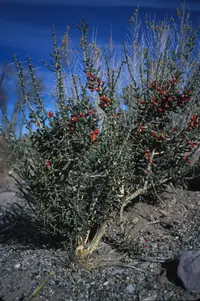




Best Soil for Christmas cactus (Cylindropuntia leptocaulis)

For Cylindropuntia leptocaulis, gritty, fast-draining soil with moderate air space supports healthier roots and steadier long-term growth.

Soil Texture

Sandy, Loamy, Rocky

Soil pH

Slightly acidic (6.5–7.0), Slightly alkaline (7.0–7.5)

Soil Drainage

Well-drained

Cylindropuntia leptocaulis Soil Guide

Native to the southwestern US and northern Mexico, Cylindropuntia leptocaulis grows in dry ground with sandy, loamy, or rocky textures. That habitat explains why Christmas cactus soil should drain quickly and stay airy, rather than holding moisture around the roots for long periods.

Its roots are adapted to brief moisture followed by fast drying, so loose mineral-rich soil suits the plant better than dense, rich mixes. Slightly acidic to slightly alkaline conditions are acceptable, but the most important trait is a well-drained structure that keeps oxygen around the roots.

A simple homemade mix can give Cylindropuntia leptocaulis the fast drainage and root airflow it handles best in containers.

100% total mix = 20 scoops
10%
small gravel or fine lava rock2 scoops
20%
coarse sand4 scoops
30%
perlite or pumice6 scoops
40%
cactus potting mix8 scoops

The finished blend should feel gritty, loose, and airy, with water moving through quickly instead of lingering around the roots.

A good target is 6.5–7.5 pH. This places the soil in a slightly acidic to slightly alkaline range, which suits Christmas cactus and supports balanced nutrient availability in the root zone.

It can handle some variation near neutral, but staying close to that range helps important nutrients remain accessible without encouraging avoidable uptake issues.

Most soil issues with Cylindropuntia leptocaulis start below the surface and build gradually. Early checks can help rule out root stress before it becomes more serious.

Compacted soil:

Dense media can limit airflow and keep the root zone stale; gently loosen the top layer and check whether the mix is staying heavy for too long.

Staying wet too long:

If the container feels damp for many days, excess moisture may be lingering around the roots; first confirm drainage is clear and review the mix texture.

Hydrophobic dry mix:

Very dry soil can shrink and resist rewetting, causing water to run down the sides; moisten it slowly and evenly so the root zone can absorb it again.

Salt buildup:

A crust on the soil surface or pot rim can point to mineral accumulation; flush the mix thoroughly once and watch whether deposits return.

Match Plant to Soil

Botan helps compare your plant’s soil needs with the mix you have, so it is easier to choose a better match.

FAQ

Yes. Drainage holes let excess water leave the container, which helps the root zone stay better aerated and reduces the chance of soggy, stagnant conditions in Christmas cactus soil.

More Plant Soil Guides

Wrong Soil? Check It.

Soil may be part of the issue. Botan’s photo-based assessment can help you check whether the growing medium is worth a closer look.

Botan app helping with soil and plant care
Best Time to Mow Lawn – A Complete Guide

5 min read · 10 Aug 2026

Best Time to Mow Lawn – A Complete Guide

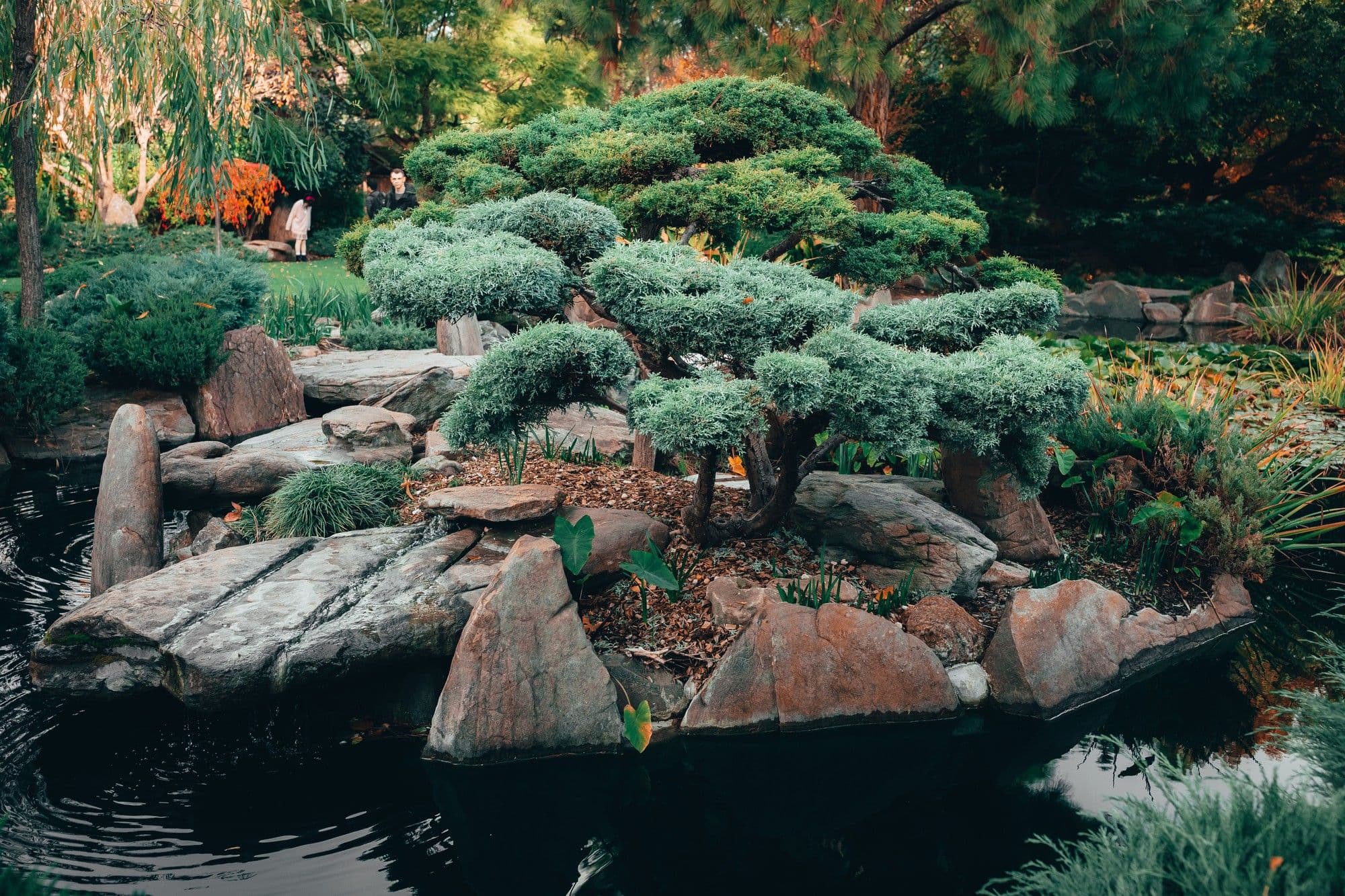
Explore when to mow your lawn for its health and a pleasant green color. Find out the best time for this task during the summer heat, and follow practical tips for correctly cutting the grass, and learn common mistakes to avoid.

Plant Care
Best Time to Mow Lawn – A Complete Guide
How to Group Plants in Landscaping: A Practical Layout Guide

8 min read · 31 Aug 2026

How to Group Plants in Landscaping: A Practical Layout Guide

Good plant grouping can mean the difference between a well-planned garden and one that looks sloppy. This guide explores layers, spacing, cluster shapes, and the plants that thrive when you group them.

Plant Care
How to Group Plants in Landscaping: A Practical Layout Guide
Best Water for Plants – How to Choose the Right Type

7 min read · 13 Aug 2026

Best Water for Plants – How to Choose the Right Type

Rainwater, filtered, distilled, and tap water affect plants differently. Learn which types support healthy growth and which cause slow damage. Match each to your plants and discover how to easily improve tap water quality.

Plant Care
Best Water for Plants – How to Choose the Right Type