tree cholla Care (Cylindropuntia imbricata)

Also known as: Imbricate Prickly Pear, chain cholla, Cholla cactus, Devil’s Rope Pear, Imbricate Cactus, Chain-Link Cactus
tree cholla

About tree cholla

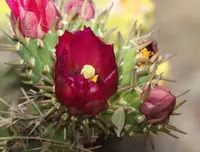
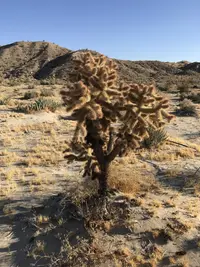
Tree cholla (Cylindropuntia imbricata) is a shrubby cactus with upright, branching joints covered in sharp spines and often showy magenta flowers followed by yellow fruits. It typically grows in arid grasslands and desert regions of the southwestern United States and northern Mexico.

The plant has a woody framework and forms dense, sculptural clumps that stand out in dry landscapes. Its thick, water-storing stems make it highly drought tolerant but very sensitive to excess moisture.

Tree cholla suits low-rainfall gardens and requires strong light, fast-draining soil, and minimal watering. Understanding how to care for tree cholla mainly involves preventing root rot and avoiding accidental contact with its spines and barbed glochids, which can be difficult to remove from skin and fur.

Main Plant Requirements

Care Difficulty

Easy Care

Light Preference

Full Sun

Water Requirements

Low Water

Temperature Preference

Cold Hardy

Hardiness Zone

4–9

Soil Texture

Sandy, Loamy, Rocky

Soil pH

Slightly acidic (6.5–7.0), Slightly alkaline (7.0–7.5)

Soil Drainage

Well-drained

Fertilization

Minimal (feed rarely)

Get Personalized Care Plan

Scan your plant to receive care tips personalized for your specific plant

Available on iOS and Android

How to Care for the tree cholla

This cactus thrives in strong sun and needs high light to stay compact and flower well.

  • Provide 6–10 hours of direct sun daily; full sun exposure suits mature tree cholla in most arid and semi-arid regions.
  • Allow light afternoon shade in very hot climates to reduce stem scorching, especially for young or recently transplanted plants.
  • If stems elongate, lean, or turn dull green, the plant is not getting enough sun; move to a brighter, more open site if possible.

This desert cactus needs infrequent, deep watering and fast-draining soil to prevent root rot.

  • Outdoors in the ground, water only when the soil is completely dry at least 10–15 cm deep; in many arid climates this means every few weeks or less.
  • Use gritty, sharply draining soil so water runs through quickly and roots never sit in soggy conditions after rain or irrigation.
  • In summer, shriveling segments signal drought stress, while yellowing, mushy pads or a sulfur smell indicate overwatering and potential rot.

This hardy cactus tolerates wide temperature swings but performs best within a moderate warm range.

  • Aim for 70–90°F (21–32°C) in the main growing season; growth slows noticeably below about 60°F (16°C).
  • Established plants often survive down to about -10°F to -20°F (-23 to -29°C) if soil drains freely and stays relatively dry in winter.
  • In extreme heat above 100°F (38°C), ensure excellent airflow and avoid heat-reflecting walls or rocks that can overheat stems.

This desert cactus tolerates very low humidity and rarely needs special humidity management.

This cactus needs very fast-draining, mineral-rich soil to prevent root rot.

  • Use a gritty mix such as 50–60% coarse sand or small gravel with 40–50% cactus potting mix for Cylindropuntia imbricata.
  • Ensure water drains through in seconds, not minutes; if it lingers, add more mineral material or perlite to open the structure.
  • Keep pH slightly acidic to neutral, around 6.0–7.2, which suits most tap water in the US.
  • Avoid fine, peat-heavy, or clay-based mixes that stay wet or compact, as these quickly damage roots.

This species is suitable for containers if the pot is prepared for its size and weight.

  • Choose a wide, heavy clay or concrete pot so the top-heavy, branching stems do not tip the container in wind.
  • Fill the pot with very gritty cactus mix and raise it on pot feet or bricks to speed drainage away from the base.
  • Leave a dry top layer of coarse grit or rocks to reduce stem contact with damp media and discourage rot at the base.

This desert cactus needs only light feeding, as tree cholla is adapted to nutrient-poor soils.

  • Use a diluted balanced liquid fertilizer (around 10-10-10) at 1/4–1/2 strength in spring and early summer only.
  • Apply no more than once every 4–6 weeks during active growth in very free-draining soil.
  • Avoid high-nitrogen products, which can cause weak, over-soft growth prone to rot.
  • Stop feeding entirely in late summer and through winter dormancy to allow firm, hardened stems.

Pruning Cylindropuntia imbricata is mainly for safety, shape control, and plant health.

  • Carry out pruning in late winter or early spring before strong new growth begins.
  • Remove dead, diseased, storm-damaged, or crossing segments using long-handled loppers or a pruning saw.
  • Thin crowded branches at the base to open the structure and manage height and spread.
  • Disinfect tools before and after, and carefully collect all segments to prevent unwanted rooting.

This species is usually grown in the ground, so focus on transplanting rather than frequent repotting.

  • Transplant in late spring after frost risk passes, when soil is warming and dry weather is forecast.
  • Move plants only when necessary, such as crowding, shading, or poor drainage limiting growth.
  • Water very lightly 3–5 days before moving to keep roots slightly moist but not saturated.
  • Replant at the same depth in coarse, gritty soil, stake if top-heavy, then withhold water 7–10 days to reduce root stress.

Propagation of this cactus is commonly done from stem cuttings, with seeds used less often.

  • Take healthy stem segments in late spring or early summer and let cut ends callus for 7–14 days in shade.
  • Plant callused cuttings upright in a coarse, gritty mix, burying 3–5 cm, and keep barely moist.
  • Provide bright light, warm temperatures (70–85°F), and excellent airflow to encourage rooting.
  • For seed, sow in a shallow tray of sterile cactus mix, barely cover, and keep warm and slightly moist until germination.

This cactus is generally cold hardy in much of the western and central US but benefits from a few winter precautions.

  • Established plants often tolerate short dips to about 0°F if soil is very well drained.
  • Apply a thin gravel mulch around the base to keep the root zone drier in winter.
  • In wet climates, use a simple overhead cover to limit winter rain and reduce rot risk.
  • Move container plants into an unheated, very bright, frost-free space and keep soil almost dry.

Care Tips

Stabilize Heavy Stems

Install a low, sturdy stake or rock support on the windward side of young plants so heavy, jointed stems do not topple or twist at the base as the plant gains height and weight.

Use Gravel Mulch

Apply a 3–5 cm layer of coarse gravel around the root zone instead of organic mulch to suppress weeds, reflect heat, and keep the crown dry, which reduces stem rot in wet periods.

Root Pruned Segments

If a branch breaks or must be removed, let the cut segment dry and callus in shade for 7–14 days, then root it horizontally in a shallow, gritty bed to expand a planting or replace older plants.

Manage Self-Seeding

Collect and discard or compost fallen fruits before they dry and split if unwanted seedlings are an issue, as this species can self-sow and become invasive in lightly managed areas.

Protect Handling Areas

Designate clear access paths and keep 60–90 cm of space around plants, and always use long-handled tools and thick gloves when caring for tree cholla to avoid injury from easily detached spines.

Common Pests and Diseases

Cochineal scale

This pest forms dense white, cottony patches on pads and stems and sucks sap, leading to yellowing and weakened segments. Symptoms include sticky residue and crimson-red staining when the insects are crushed.

Solution

Prune and destroy heavily infested joints, then spray remaining stems thoroughly with a strong jet of water to dislodge insects. For persistent colonies, spot-treat with isopropyl alcohol on a cotton swab or apply a horticultural oil labeled for cacti, repeating at 7–10 day intervals while keeping the plant dry and in good airflow.

Cactus longhorn beetle

This pest bores into stems at or near the base, causing internal tunneling, structural weakening, and sudden collapse of branches. Symptoms include oozing or sawdust-like frass around entry holes and wilting of upper segments.

Solution

Hand-pick adult beetles at dusk or dawn and destroy them, and remove and discard any bored or collapsing stems to prevent larvae from completing their life cycle. Reduce attractiveness by avoiding overwatering, keeping the base clean of debris, and using physical barriers or trunk collars in areas with a known beetle presence.

Bacterial soft rot

This disease causes water-soaked, foul-smelling, mushy areas on stems, often starting at wounds or in segments exposed to prolonged moisture. Symptoms include tissue collapse and brown to black wet lesions that spread quickly in warm, humid conditions.

Solution

Cut out all affected tissue well into firm, healthy stem with a sterile knife, and discard infected parts away from other cacti. After pruning, keep the plant dry, improve sun exposure and air movement, and avoid overhead watering or any mechanical injury to stems that could allow bacteria to enter when caring for tree cholla.

Sooty mold

This disease appears as black, soot-like growth on stems, developing on the honeydew excreted by sap-sucking insects such as scale or aphids. Symptoms include a dark, dirty coating that can reduce light reaching the tissue but usually affects plant vigor only when heavy.

Solution

First control the honeydew-producing insects with directed water sprays, alcohol swabs, or horticultural oil, depending on the pest involved. Once insects are reduced, gently wipe or rinse affected stems with water and a soft brush, allowing stems to dry fully afterward to minimize further fungal growth.

Fusarium stem canker

This disease creates sunken, dry, often reddish-brown or purple cankers on stems, which may girdle a joint and cause dieback above the lesion. Symptoms include slow expansion of the affected area and occasional cracking or corky tissue formation.

Solution

Remove and destroy affected joints well below the visible canker using sterile tools, and do not compost diseased material. Maintain the plant in a sunny, dry, well-ventilated site, avoid wounding stems, and use clean potting media or well-drained native soil to reduce future infection pressure.

Interesting Facts

Jointed woody skeleton

Mature plants develop a sturdy woody trunk and branches beneath the green photosynthetic joints, allowing this cactus to form a small arborescent shrub that can reach several meters in height in ideal conditions.

Segment-based reproduction

The joints detach easily and root where they fall, a form of vegetative reproduction that helps this species spread efficiently across disturbed or eroding soils in its native range.

Spine-sheathed segments

Its spines are covered by papery, tan to straw-colored sheaths, giving branches a distinctive rough, scaly appearance that helps distinguish it from many other cholla species.

Botan icon

Did you know?

In parts of the southwestern United States, this species has been planted historically as a living fence, because its dense, spiny branching structure forms an effective barrier for livestock and people when established in rows.

FAQs about tree cholla

Poor flowering usually links to plant age, insufficient light, or lack of winter chill. Older, established stems bloom more reliably. Very rich soil or excess nitrogen fertilizer can also reduce bud formation and delay flowering.

Grow Healthy Plants with Botan Care

Keep your plants happy and healthy with plant identification, disease detection, and easy care guidance.

Botan plant care app — identify plants on mobile

Explore More Plants