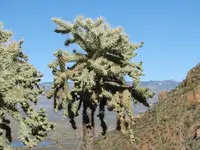
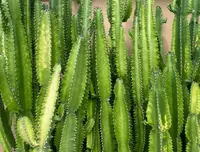
Hoffmann's teddybear cholla Care (Cylindropuntia fosbergii)

Also known as: Mason Valley Cholla
Hoffmann's teddybear cholla

About Hoffmann's teddybear cholla

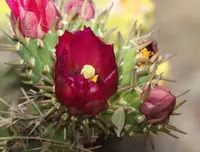
Hoffmann's teddybear cholla, Cylindropuntia fosbergii, is a branching desert cactus known for its dense coat of short, sharp spines that give a fuzzy look from a distance. It forms upright, segmented stems and can develop into a shrub-like clump over time.

This species is native to arid regions of the southwestern United States, where it thrives in rocky, well-drained soils and intense sun. Its main challenges for cultivation come from its strong spination and need for very dry conditions, but those who learn how to care for Hoffmann's teddybear cholla usually find it a durable, low-maintenance plant in suitable climates.

Main Plant Requirements

Care Difficulty

Easy Care

Light Preference

Full Sun

Water Requirements

Low Water

Temperature Preference

Warm Climate

Hardiness Zone

9–11

Soil Texture

Sandy, Rocky, Loamy

Soil pH

Slightly alkaline (7.0–7.5), Alkaline (7.5–8.5)

Soil Drainage

Well-drained

Fertilization

Minimal (feed rarely)

Get Personalized Care Plan

Scan your plant to receive care tips personalized for your specific plant

Available on iOS and Android

How to Care for the Hoffmann's teddybear cholla

This desert cactus needs strong, direct sun to develop compact, healthy growth.

  • Provide 6–10 hours of direct sun daily; full southern exposure suits Hoffmann's teddybear cholla in most arid and semi-arid climates.
  • Allow some light afternoon shade in very hot regions to reduce tissue scorching, especially for young or recently transplanted plants.
  • In winter, ensure plants are not shaded by buildings or trees, since low sun angles can drop exposure below 4–5 hours and cause weak, elongated stems.

This species is highly drought-tolerant and must dry thoroughly between waterings.

  • Water only when the soil is dry at least 5–8 cm deep; in hot, dry seasons this may mean deep watering every 2–4 weeks in the ground.
  • Use very fast-draining, gritty soil so water runs through within seconds; standing water or heavy clay greatly increases root rot risk.
  • Signs of overwatering include yellowing, translucent pads and soft spots, while severe wrinkling and shriveling indicate it has been dry for too long for Cylindropuntia fosbergii.

This cactus thrives in hot, arid conditions and tolerates a broad temperature range once established.

  • Ideal growing temperatures are 70–95°F (21–35°C), with strong sun and low humidity to keep stems firm and disease risk low.
  • Mature plants usually tolerate brief drops to around 20–25°F (-6 to -4°C) if soil is dry, but young plants are more easily damaged by cold.
  • In extreme heat above 105°F (41°C), provide some airflow and optional light afternoon shade to limit sunburn, especially after rain or overhead watering.

This desert cactus prefers very dry air and does not need added humidity.

  • Target 20–40% humidity, similar to arid indoor air, for stable growth.
  • Brown, soft stem segments or unexpected rot usually indicate excess humidity combined with poor air movement.
  • If air is extremely dry and hot, increase air circulation rather than adding humidifiers when caring for Hoffmann's teddybear cholla.

Use a fast-draining, mineral-heavy mix to prevent root and stem rot.

  • Choose a sandy or gritty medium with very low organic matter to mimic desert soil structure.
  • Aim for slightly alkaline to neutral pH around 7.0–8.0, avoiding peat-heavy mixes that acidify the substrate.
  • Combine 1 part cactus mix with 1–2 parts coarse sand, pumice, or crushed granite to increase drainage and aeration.
  • Avoid dense loam, clay, or soil with fine compost that holds water, as this quickly leads to root rot in Cylindropuntia fosbergii.

This species is suitable for container growing if the pot and substrate stay very fast draining.

  • Use a wide, heavy container to counterbalance the top-heavy, branching stems and prevent tipping in wind.
  • Select unglazed clay pots, which allow faster evaporation and reduce the risk of chronic wetness around roots.
  • Raise the pot slightly on feet or bricks outdoors so drainage holes never sit in collected rainwater or saucer puddles.

This desert cactus grows well with minimal feeding, but light fertilization can support container-grown Hoffmann's teddybear cholla.

  • Use a low-dose balanced cactus fertilizer or diluted balanced NPK (about 1/4 strength) during active growth in spring–summer.
  • Feed 1–2 times per growing season for potted plants; in-ground plants in poor soil may get 1 light feeding.
  • Avoid organic composts that stay moist; choose mineral-based or fast-draining formulations instead.
  • Stop feeding in late summer–fall to allow tissues to harden before winter dormancy.

Pruning Cylindropuntia fosbergii is mainly done for safety, shape control, and removing damaged stems.

  • Best time is late winter to early spring, before strong new growth starts.
  • Remove dead, shriveled, storm-damaged, or crossing pads to reduce crowding and disease risk.
  • Use long-handled loppers or a pruning saw plus thick gloves and tongs to handle the spiny segments.
  • Shaping by selective stem removal keeps plants compact and improves light penetration without over-thinning.

This cactus is usually grown in the ground, with transplanting done infrequently and only when necessary.

  • Consider moving it when growth slows, plants lean or crowd, or roots circle a container and emerge from drainage holes.
  • Transplant in late spring–early summer when soils are warm and the plant is actively growing.
  • Aim for a frequency of every 3–5 years in containers, or only once to establish a permanent outdoor site.
  • Prepare a very well-drained, gritty hole or mix, move the root ball with minimal disturbance, and keep soil slightly dry for 1–2 weeks after.

Propagation is commonly done from stem cuttings, which root well in warm, dry conditions.

  • Take healthy stem segments in late spring–summer, cutting with clean, sharp tools and handling with tongs and gloves.
  • Let cut ends callus in a dry, shaded place for 5–10 days to reduce rot risk.
  • Plant callused segments upright in a gritty, fast-draining cactus mix, burying the base just enough to stand.
  • Keep warm with bright light, almost dry soil, and only light misting or minimal watering until roots form.

This species is fairly cold tolerant in dry climates but benefits from some winter precautions in wet or very cold regions.

  • Established plants often tolerate brief dips well below freezing if soil stays dry.
  • In-ground plants in marginal climates can receive a light gravel mulch around the root zone for drainage and insulation.
  • Wrap or tie tall stems loosely to stakes to reduce breakage from snow or ice.
  • Move containers under a bright, unheated shelter where temperatures stay above about 25°F and soil can dry between light sips.

Care Tips

Use deep gravel

Top-dress the soil surface with a 2–5 cm layer of coarse gravel to keep the stem base dry, reduce rot risk, and stabilize the plant in windy or exposed spots.

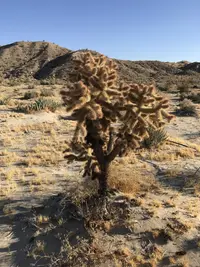
Secure heavy stems

As stems elongate and become top-heavy, anchor them with discreet rock placements or low, rigid supports rather than soft ties, which can trap moisture and cause rot at contact points.

Controlled offset removal

Remove small side stems (offsets) with long-handled tongs and a clean, sharp knife, then let the cut surfaces dry for 5–10 days in shade before replanting to reduce infection risk and improve plant shape.

Winter rain shielding

In regions with cool, wet winters, place a simple clear plastic or polycarbonate cover over the plant to block rain while allowing maximum light, preventing stem splitting and fungal problems.

Quarantine new cacti

Keep any new cactus plants at least 2–3 weeks in a separate, bright, dry area to watch for scale insects, mealybugs, or mites before placing them near established plants, which is especially important when caring for Hoffmann's teddybear cholla.

Common Pests and Diseases

Cochineal scale

This pest forms white, cottony clusters on pads and stems and feeds on plant sap, causing yellowing and weak growth. This insect often appears on stressed plants in hot, dry climates where airflow is poor.

Solution

Physically remove clusters with a strong jet of water or by wiping with cotton swabs dipped in 70% isopropyl alcohol, then dispose of residues carefully. For heavier infestations, use an insecticidal soap or horticultural oil labeled for cacti, applied in the cool part of the day, and repeat as needed while also reducing plant stress through proper light and watering.

Cactus longhorn beetle

This pest chews into stems near the base and its larvae tunnel inside, leading to collapsed, yellowing, or broken segments. Symptoms include oozing wounds and weakening of the main stems in outdoor plantings.

Solution

Inspect stems regularly and remove and destroy any damaged or tunneled sections, including visible larvae or pupae. Reduce habitat by keeping soil surface clear of debris, use physical barriers or trunk wraps on young plants, and in severe cases hand-pick adults at dusk or dawn when they are most active.

Stem canker

This disease causes sunken, discolored patches on the pads that may crack or ooze, often starting at mechanical injury sites or previous insect damage. Symptoms include brown to black lesions that can slowly expand along the stem segments.

Solution

Prune out all affected segments well below the visible infection with a sterile, sharp tool, and let the cut surfaces dry and callus in a bright, dry location. Improve air circulation, avoid overhead watering, disinfect tools between cuts, and remove plant debris from around the base to limit re-infection and support overall Cylindropuntia fosbergii plant care.

Fungal stem spot

This disease produces small circular spots that can coalesce into irregular dark patches, sometimes with a yellow halo around the affected tissue. Symptoms include roughened, corky areas on older lesions and cosmetic scarring on surviving tissue.

Solution

Remove and discard heavily spotted stem segments and keep the plant in a dry, airy position with good sun exposure to discourage further spread. Avoid wetting the stems when watering, space plants to improve airflow, and if needed apply a sulfur-based or copper-based fungicide labeled for succulents, following label directions carefully.

Mealybugs

These insects appear as small white cottony clusters tucked into stem joints and along the ribs, feeding on sap and producing sticky honeydew. This pest can cause distorted new growth, reduced vigor, and sooty mold growth on the honeydew if left untreated.

Solution

Isolate affected plants, then dab or wipe off visible insects with cotton swabs dipped in 70% isopropyl alcohol and repeat weekly until no new insects appear. For larger outdoor clumps, use a strong water spray to dislodge insects, followed by applications of insecticidal soap or a light horticultural oil, taking care to apply in cooler hours to avoid sunburn on the stems.

Interesting Facts

Endemic island cholla

This species is naturally restricted to San Clemente Island off the coast of southern California, where it occurs on rocky slopes and terraces in a very narrow native range.

Formerly thought extinct

For many years it was considered extinct in the wild due to habitat degradation on San Clemente Island, but focused botanical surveys later confirmed surviving native populations.

Protected military habitat

Most remaining plants grow on land managed by the U.S. Navy, and conservation actions on this active military installation, such as erosion control and invasive species management, have been important for its long-term survival.

FAQs about Hoffmann's teddybear cholla

Growth is slow to moderate. In suitable desert conditions, new segments may add 5–15 cm per year. Young plants establish slowly, then speed up slightly with age, strong light, excellent drainage, and sparse but deep watering.

Grow Healthy Plants with Botan Care

Keep your plants happy and healthy with plant identification, disease detection, and easy care guidance.

Botan plant care app — identify plants on mobile

Explore More Plants