


Stabilize Tall Stems
Install a heavy, wide terracotta pot and top-dress with coarse gravel to lower the center of gravity and keep the tall columns stable against accidental knocks or wind gusts.

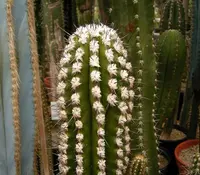
Eulychnia breviflora is a columnar cactus native to the coastal deserts of northern Chile. It forms tall, branched stems with pronounced ribs and strong spines. Mature plants can become shrubby or tree-like, often creating dense, sculptural clumps in dry landscapes. In its natural habitat it tolerates intense sun, high temperatures, and very low rainfall. This species is generally slow-growing but robust when kept dry and well ventilated, which can make it reliable for experienced cactus growers. Those learning how to care for Eulychnia breviflora should focus on very bright light, minimal moisture, and sharply draining, mineral-rich soil.

Care Difficulty
Moderate Care

Light Preference
Full Sun

Water Requirements
Low Water

Temperature Preference
Warm Climate

Hardiness Zone
9–11

Soil Texture
Sandy, Rocky, Loamy

Soil pH
Slightly acidic (6.5–7.0), Neutral (7.0)

Soil Drainage
Well-drained

Fertilization
Minimal (feed rarely)
Scan your plant to receive care tips personalized for your specific plant
Available on iOS and Android
This tall coastal cactus thrives in intense sun but benefits from gradual exposure in cultivation.
This species is highly drought-adapted and must dry well between waterings.
This cactus prefers warm, dry conditions and has only limited frost tolerance in cultivation.
This cactus thrives in very dry air and rarely needs humidity adjustment in homes.
Soil for Eulychnia breviflora must be extremely free-draining and mineral-based to prevent root rot.
This species is suitable for container growing when the pot is chosen to support its tall, columnar growth.
This desert cactus grows well in lean soils and usually needs only light feeding in containers.
Pruning is minimal and mainly hygienic for this slow-growing columnar cactus.
Container-grown plants benefit from infrequent but careful repotting due to slow growth and sensitive roots.
This species is usually propagated by stem cuttings or seeds under controlled conditions.
This cactus prefers mild, dry winters and has limited frost tolerance, especially in containers.

Plant Health Check
Not sure what's wrong with your plant? Check your plant's health inside the app.
This cactus is native to the extremely arid coastal deserts of northern Chile, where it survives largely on moisture captured from dense Pacific fogs known as camanchaca rather than on regular rainfall.
Its densely spined, upright stems often form rigid thickets that provide protected nesting and perching sites for small coastal birds, giving structural habitat in otherwise sparse desert landscapes.
Populations grow on rocky, often saline coastal slopes and cliffs, showing notable tolerance to salt-laden winds and spray in habitats very close to the ocean.

In parts of its native range, the large, fleshy fruits of Eulychnia breviflora are an important seasonal food source for local wildlife and have also been traditionally collected and eaten by coastal communities in northern Chile.
Growth is slow to moderate. In suitable outdoor conditions it may add around 5–15 cm per year. Container plants usually grow more slowly due to limited root space and slightly reduced light and temperature stability.
Keep your plants happy and healthy with plant identification, disease detection, and easy care guidance.

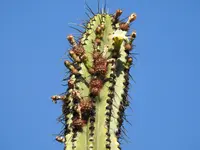
Stenocereus martinezii
Stenocereus martinezii
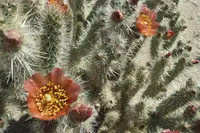
Wolf's opuntia
Cylindropuntia wolfii
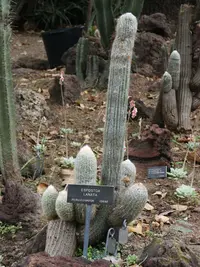
cotton ball cactus
Espostoa lanata
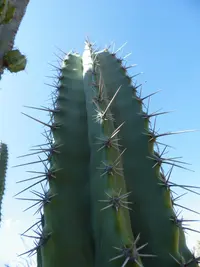
Stenocereus stellatus
Stenocereus stellatus

Toumey's century plant
Agave toumeyana
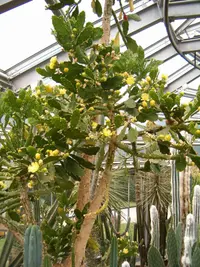
Brazilian Prickly Pear
Brasiliopuntia brasiliensis
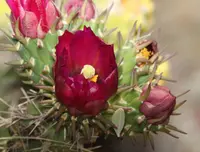
Thurber's Cholla
Cylindropuntia thurberi
Rhipsalis elliptica
Rhipsalis elliptica