Rhipsalis elliptica Care

Rhipsalis elliptica

About Rhipsalis elliptica

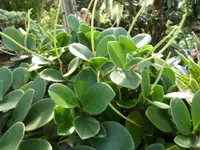
Rhipsalis elliptica is an epiphytic cactus that naturally grows on trees in tropical forests of Brazil. It forms long, flat, segmented stems that often arch or hang.

The plant has a graceful, cascading habit that suits hanging baskets or high shelves. Its stems are usually green, sometimes with a slightly reddish tint in brighter light.

Unlike desert cacti, it prefers gentle, filtered light and steady, moderate moisture in a freely draining, airy mix. These traits make it forgiving indoors if extremes of drought or harsh sun are avoided.

Overall, it is considered a manageable species for those who want to learn how to care for Rhipsalis elliptica without dealing with very demanding conditions.

Main Plant Requirements

Care Difficulty

Moderate Care

Light Preference

Bright Indirect Light

Water Requirements

Moderate Water

Temperature Preference

Tropical / Frost Sensitive

Hardiness Zone

11–12

Soil Texture

Sandy, Loamy, Organic-rich

Soil pH

Acidic (5.5–6.5), Slightly acidic (6.5–7.0)

Soil Drainage

Well-drained

Fertilization

Light (every 4–6 weeks)

Get Personalized Care Plan

Scan your plant to receive care tips personalized for your specific plant

Available on iOS and Android

How to Care for the Rhipsalis elliptica

This epiphytic cactus prefers soft, filtered light that mimics bright forest shade.

  • Provide bright, indirect light for 8–10 hours per day, such as a few hours of gentle morning sun and bright shade or dappled light the rest of the day.
  • Protect Rhipsalis elliptica from harsh midday or afternoon sun, which can cause yellow patches, bleached segments, or dry, corky spots on the flattened stems.
  • In lower light (north-facing aspects, shaded patios), monitor for leggy, stretched growth and move slightly closer to the light source, especially in winter.

This species prefers lightly moist, never soggy, conditions with short dry intervals.

  • Water when the top 2–3 cm of the mix feel dry, using thorough watering that drains freely, then discard any collected runoff to prevent root rot.
  • In spring and summer, drying will occur faster; watch for slightly softened, wrinkling segments as a cue to water a bit sooner.
  • In fall and winter, allow the mix to dry deeper (about the top 4–5 cm) and watch for overwatering signs such as blackened stem bases or a sour soil smell.

This cactus grows best in stable, mild temperatures without frost exposure.

  • Aim for 65–80°F (18–27°C) for active growth, with nights only slightly cooler to avoid stress and slowed development.
  • Protect from temperatures below 50°F (10°C); brief dips near this level are tolerated, but frost or extended cold can damage tissue and roots.
  • In hot periods above 90°F (32°C), increase air movement and shade from intense sun, and avoid placing the plant near heat-reflective surfaces or hot walls.

This epiphytic cactus prefers moderately moist air but usually adapts to typical home humidity.

  • Aim for 40–60% humidity to reduce stem shriveling and brown tips.
  • It tolerates brief drier air, but prolonged levels below 30% can slow growth and cause wrinkled segments.
  • Increase humidity with a nearby humidifier or grouped plants rather than misting, which can encourage fungal spots.

Use a loose, fast-draining, airy mix that mimics an epiphytic forest environment for Rhipsalis elliptica.

  • Combine roughly 40% fine orchid bark, 30% cactus mix, and 30% perlite or pumice for a chunky, well-aerated substrate.
  • Ensure water runs through freely within seconds; the mix should never stay soggy or compacted.
  • Aim for slightly acidic to neutral pH around 5.5–7.0, which supports nutrient uptake without salt buildup.
  • Avoid dense garden soil, peat-only mixes, or containers where the lower layer remains wet longer than the top.

This species is very suitable for container and hanging basket culture.

  • Choose a wide, shallow pot that allows its sprawling stems to balance the plant’s weight and reduces tipping risk.
  • Use slightly heavier ceramic or clay containers if grown tall so trailing stems do not pull the pot over.
  • Elevate the container or use pot feet so drainage holes stay clear and water can exit quickly from the base.

This epiphytic cactus grows well with light, consistent nutrition during the warm growing season.

  • Use a balanced cactus fertilizer (around 10-10-10) or diluted all-purpose feed at 1/4–1/2 strength.
  • Feed every 4–6 weeks in spring and summer when Rhipsalis elliptica is actively growing.
  • Stop feeding in fall and winter to allow natural rest and prevent weak, stretched growth.
  • Flush the pot with plain water a few times per year to limit salt buildup in the substrate.

Pruning is mainly used to tidy and shape this trailing cactus rather than to control vigor.

  • Trim in late winter or early spring before strong new growth begins.
  • Remove dead, yellowing, damaged, or badly scarred segments with clean, sharp scissors or pruners.
  • Shorten overly long, tangled, or crowded stems to refine the hanging shape and improve light penetration.
  • Disinfect tools before and after working on Rhipsalis elliptica to reduce the risk of disease entry.

This species prefers stable conditions and only needs repotting when clearly rootbound or the mix has broken down.

  • Check for roots circling the pot, pushing through drainage holes, or for slow growth despite good care.
  • Plan to repot every 2–3 years in late winter or early spring, just before active growth resumes.
  • Choose a shallow, slightly wider pot with excellent drainage and a fresh, airy cactus or epiphyte mix.
  • Slide the plant out gently, loosen tight root circles lightly, then water sparingly for 3–5 days to reduce stress.

Rhipsalis elliptica is most commonly propagated from stem cuttings taken during the active growing season.

  • Take firm, healthy segments in spring or early summer and let the cut ends dry for 1–2 days.
  • Insert calloused cuttings into a slightly moist, airy mix and keep at 70–80°F in bright, indirect light.
  • Maintain lightly moist, not wet, conditions and avoid direct sun to prevent stem scorch and rot.
  • Once new growth appears and roots are firm, pot cuttings individually and resume normal watering.

This tropical cactus is frost sensitive and needs mild, protected conditions during winter in most climates.

  • Keep plants above 50°F, with an ideal winter range around 55–65°F indoors.
  • Move containers indoors before nights drop near 45°F, using bright, indirect light away from drafts.
  • Reduce watering so the mix dries slightly deeper between waterings, but do not allow complete prolonged dryness.
  • Avoid cold window glass contact and sudden temperature swings that can scar stems.

Care Tips

Rotate hanging basket

Rotate the pot 90° every 2–3 weeks so the pendant stems receive light more evenly and develop a balanced, symmetrical form rather than leaning to one side.

Support long stems

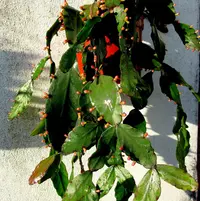
Use lightweight hooks, soft ties, or an inner wire hoop to gently guide and spread long chains of segments, reducing breakage at the crown and creating an even cascading curtain of growth.

Segment propagation timing

Take 2–3 segment cuttings only when stems feel firm and plump, then allow the cut end to dry for 24 hours before inserting into a slightly damp, gritty mix to root new plants and rejuvenate older specimens.

Gentle cleaning routine

Every 1–2 months, rinse the plant with lukewarm water in the sink or shower to remove dust from the flattened stems, which improves light capture and reduces spider mite pressure when caring for Rhipsalis elliptica.

Seasonal growth check

At the start and end of the main growth season, inspect the plant structure, remove any weak, shriveled segments, and slightly thin crowded areas so new shoots have space and airflow to develop normally.

Common Pests and Diseases

Mealybugs

This pest hides in stem joints and along the ribbed segments, sucking sap and causing stunted, yellowing, or distorted growth. Symptoms include cottony white clusters, often where segments branch or hang over pot rims.

Solution

Quarantine the plant, then dab visible insects with cotton swabs soaked in 70% isopropyl alcohol and rinse the stems with lukewarm water. Improve air movement around the hanging stems, reduce excess nitrogen fertilizing, and repeat alcohol spot-treatments weekly until no new clusters appear; for severe cases, use a labeled insecticidal soap or neem oil spray, ensuring good coverage of all segment joints.

Scale insects

These insects attach along the flattened stems as small, tan to brown bumps that do not wipe off easily and lead to sticky residue and gradual decline. This pest often settles on older, woody sections near the plant base and can be overlooked in dense hanging baskets.

Solution

Gently scrape or wipe off individual scales with a soft brush or cloth dipped in 70% isopropyl alcohol, then thoroughly rinse the plant. For larger infestations, apply horticultural oil or insecticidal soap to all stem surfaces, repeat every 7–10 days for several cycles, and keep the plant slightly drier and in brighter indirect light during recovery as part of good Rhipsalis elliptica care instructions.

Soft rot (bacterial)

This disease causes water-soaked, translucent patches on the succulent stems that quickly turn mushy, often starting where water collects in segment depressions. Symptoms include foul odor, stem collapse, and rapid spread in warm, stagnant, overly wet conditions.

Solution

Immediately cut away and discard all mushy or translucent segments with a sterile blade, cutting back into firm, healthy tissue, and avoid splashing moisture onto wounds. Improve drainage, allow the mix to dry more between waterings, increase air circulation, and avoid overhead watering; disinfect tools and keep any salvaged cuttings in fresh, well-draining, mostly dry substrate until new growth appears.

Fungal stem spots

This disease shows as small brown, tan, or dark purple spots on the flattened segments that may enlarge and merge, especially in plants kept too wet in low light. Symptoms include rough, corky patches and gradual thinning or yellowing of affected segments.

Solution

Remove and discard the most affected stems, ensuring clean cuts with sterilized tools, and reduce watering frequency while improving light and airflow. Keep foliage dry, avoid misting, and, if spotting continues to spread, apply a labeled broad-spectrum fungicide suitable for cacti and succulents according to instructions, monitoring closely for new lesions.

Spider mites

These insects thrive on hanging, finely segmented stems in dry indoor air and cause pale stippling, dull patches, and fine webbing between segments. This pest can cause overall loss of vigor and a dusty, faded appearance if not controlled early.

Solution

Rinse the entire plant under a gentle shower or tap, focusing on the undersides and edges of segments, then let it dry in bright, indirect light. Raise humidity slightly, keep the plant away from hot, dry drafts, and repeat thorough rinsing every few days; for persistent mites, use insecticidal soap or neem oil, applied to all stem surfaces and repeated 2–3 times at 7-day intervals.

Interesting Facts

Segment shape and growth

This species forms distinctly flattened, elliptic to oblong stem segments that root and branch at the joints, creating a layered, cascading habit quite unlike the more cylindrical segments of many other Rhipsalis species.

Forest cactus lifestyle

It is an epiphytic forest cactus that grows on tree trunks and branches in tropical and subtropical Atlantic Forest habitats, relying on humid air and organic debris rather than desert-like conditions typical of many cacti.

Limited native distribution

Rhipsalis elliptica is native to a relatively restricted area in eastern Brazil, where fragmented Atlantic Forest remnants make its natural populations more localized compared with widespread relatives in the genus.

FAQs about Rhipsalis elliptica

Flowering is often reduced by insufficient light, lack of seasonal temperature drop, or recent repotting. Provide bright but indirect light, a slightly cooler, drier rest in winter, and avoid heavy fertilizing just before the normal bloom period.

Grow Healthy Plants with Botan Care

Keep your plants happy and healthy with plant identification, disease detection, and easy care guidance.

Botan plant care app — identify plants on mobile

Explore More Plants