Support woody stems
As the plant develops stiff, woody branches, use a low, wide terracotta pot and, if needed, discreet bamboo canes to stabilize top-heavy stems and prevent wind rock or tipping.

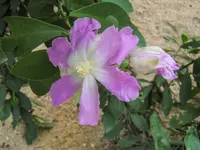
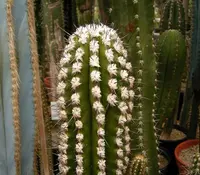
Rhodocactus sacharosa is a shrubby, tree-like cactus with woody stems and true leaves, unlike many desert cacti. It forms a dense, branching structure with small spines along its stems.
This species is native to dry regions of South America, where it grows in scrublands and rocky areas. Its adaptation to seasonal drought makes it relatively tolerant of occasional neglect.
The plant prefers bright light, airy soil, and careful watering that allows the roots to dry between waterings. Understanding how to care for Rhodocactus sacharosa mainly involves balancing strong light with protection from prolonged cold and excess moisture.

Care Difficulty
Moderate Care

Light Preference
Full Sun

Water Requirements
Low Water

Temperature Preference
Warm Climate

Hardiness Zone
9–11

Soil Texture
Sandy, Loamy, Rocky

Soil pH
Slightly acidic (6.5–7.0), Neutral (7.0)

Soil Drainage
Well-drained

Fertilization
Minimal (feed rarely)
Scan your plant to receive care tips personalized for your specific plant
Available on iOS and Android
This shrubby cactus prefers bright, open exposures similar to dry scrub habitats.
This species behaves like a drought-tolerant shrub and dislikes constantly wet soil.
This plant is adapted to warm, dry regions with mild winters and hot summers.
This species tolerates typical indoor humidity without special measures.
This cactus prefers fast-draining, mineral-rich soil that dries quickly between waterings.
This species is well suited to growing in containers, including on patios and balconies.
This shrubby cactus benefits from light, occasional feeding in active growth but copes well with lean soil.
Light pruning keeps this species compact and encourages a stronger branch framework.
Container-grown plants or young field specimens benefit from infrequent but careful transplanting.
Propagation is usually done from semi-woody stem cuttings, with seeds used mainly for larger-scale growing.
This species handles light frosts only and needs protection in colder climates, especially in containers.

Plant Health Check
Not sure what's wrong with your plant? Check your plant's health inside the app.
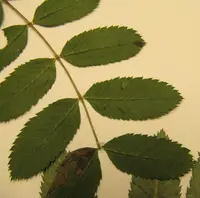
Unlike most cacti, this species retains true leaves on its woody stems, an ancestral trait within the cactus family that helps explain how leafless desert cacti evolved from leafy ancestors.
In native regions of Bolivia, Paraguay, Argentina, and Brazil, it often grows as a multi-stemmed, thorny shrub or small tree, showing a growth form that is closer to a spiny bush than to the typical desert cactus silhouette.
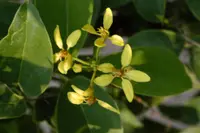
The plant produces relatively large, tubular to funnel-shaped flowers in shades of pink to reddish, which are adapted for pollination by insects and sometimes hummingbirds, followed by fleshy, bird-dispersed fruits.

Genetic and anatomical studies place this species among a small relict group at the base of the cactus family tree, so botanists use it as a living model to study the evolutionary transition from leafy, woody shrubs to the highly specialized, leafless stem succulents most people recognize as cacti.
This species performs best outdoors in warm, frost-free climates where it receives strong light and good air movement. It can be kept indoors temporarily, but long-term Rhodocactus sacharosa indoor care is challenging due to light and space needs.
Keep your plants happy and healthy with plant identification, disease detection, and easy care guidance.