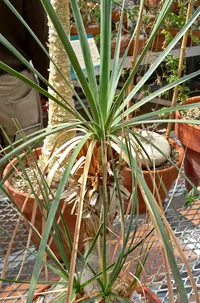
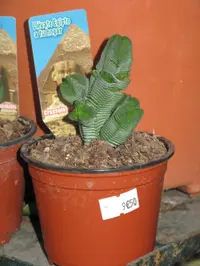
leatherleaf spiderwort Care (Tradescantia crassifolia)

leatherleaf spiderwort

About leatherleaf spiderwort

Leatherleaf spiderwort, Tradescantia crassifolia, is a compact, clumping perennial from arid and semi-arid regions of Mexico and the southern United States. It belongs to the spiderwort group, known for narrow leaves and three-petaled flowers.

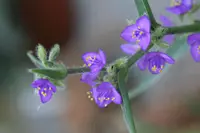
This species forms dense mounds of leathery, strap-like foliage and produces small, often purple to bluish flowers on short stems. Its tough leaves and drought tolerance make it easier to grow than many softer-leaved Tradescantia species.

It adapts well to containers and rock gardens, provided it receives good light, well-drained soil, and moderate moisture. These traits make it relatively low-maintenance for those learning how to care for leatherleaf spiderwort.

Main Plant Requirements

Care Difficulty

Moderate Care

Light Preference

Partial Shade

Water Requirements

Moderate Water

Temperature Preference

Warm Climate

Hardiness Zone

9–11

Soil Texture

Sandy, Loamy, Organic-rich

Soil pH

Acidic (5.5–6.5), Slightly acidic (6.5–7.0)

Soil Drainage

Moist but well-drained

Fertilization

Light (every 4–6 weeks)

Get Personalized Care Plan

Scan your plant to receive care tips personalized for your specific plant

Available on iOS and Android

How to Care for the leatherleaf spiderwort

This species prefers bright exposure but tolerates some shade, especially in hot climates.

  • Provide 4–6 hours of bright, indirect light or gentle morning sun; avoid harsh afternoon sun that can scorch leaves.
  • In the ground, it handles light dappled shade; leatherleaf spiderwort often develops deeper color in spots with morning sun and afternoon shade.
  • In winter, growth slows; in higher latitudes, choose a slightly brighter site, while in hot summers, use filtered light or partial shade.

Watering should balance even moisture with good drainage to protect roots from rot.

  • Allow the top 2–4 cm of soil to dry before watering; the surface should feel dry but slightly cool below.
  • Use free‑draining soil so water runs through within a few seconds; prolonged puddling indicates poor drainage and higher rot risk for Tradescantia crassifolia.
  • In warm, active growth, stems may wilt and soil feel very dry when underwatered; in cool seasons, reduce frequency and watch for yellow, mushy stems as a sign of overwatering.

Stable, mild warmth supports compact growth and healthier foliage.

  • Aim for 65–80°F (18–27°C) for best growth; short peaks up to 90°F (32°C) are usually tolerated if soil does not stay soggy.
  • Avoid temperatures below 40°F (4°C); foliage is damaged by light frost and the plant can die if exposed to prolonged freezing conditions.
  • In regions with cool winters, treat it as a tender perennial, protecting plants from cold drafts and sudden temperature drops, especially at night and during early spring.

This species prefers moderate to slightly high humidity for consistently healthy foliage.

  • Aim for 40–60% humidity; it tolerates brief dips lower but prolonged very dry air weakens growth.
  • Crisping tips, dull leaves, and slower growth indicate humidity stress in leatherleaf spiderwort.
  • Increase humidity with a nearby pebble tray, grouping plants, or a small room humidifier placed a short distance away.

Use a loose, airy mix that drains quickly yet holds light, even moisture around the roots.

  • Choose a light, peat- or coco-based mix with 20–40% perlite or pumice to keep the structure open and well drained.
  • Add a small portion of fine bark or coarse sand to improve aeration and prevent the soil from compacting over time.
  • Keep pH slightly acidic to neutral, around 6.0–7.0, which suits Tradescantia crassifolia and supports nutrient uptake.
  • Avoid heavy garden soil, poorly drained clay, or mixes that stay soggy, as these encourage root rot and stem collapse.

This species is well suited to container growing, including hanging pots and shallow troughs.

  • Select a wide, shallow container to match its creeping habit and allow stems to trail without crowding the root zone.
  • Use a pot material that matches your watering style; porous terracotta dries faster, while plastic retains moisture longer.
  • Ensure the container is stable enough that trailing, uneven growth does not tip it when stems become dense on one side.

This plant benefits from light, consistent feeding during its active growing season.

  • Use a balanced liquid fertilizer (such as 10-10-10 or 20-20-20) diluted to 1/4–1/2 strength every 4–6 weeks in spring and summer.
  • Apply to moist soil to avoid root burn and skip feeding if the leatherleaf spiderwort looks stressed or waterlogged.
  • Reduce or stop fertilizing in fall and winter when growth slows, especially in lower light.
  • Slow-release granules or a thin layer of compost can be used sparingly at the start of the growing season.

Pruning keeps Tradescantia crassifolia compact, leafy, and encourages fresh growth.

  • Trim stems in spring or early summer, when plants are actively growing and recover fastest.
  • Use clean, sharp scissors or pruning snips to remove dead, damaged, or very leggy shoots back to healthy nodes.
  • Pinch or cut just above a node to encourage branching and a fuller, trailing shape.
  • Remove crowded or inward-growing stems to improve air flow and reduce risk of fungal problems.

This species adapts well to containers and benefits from periodic repotting to refresh soil and manage root growth.

  • Check for roots circling the pot, emerging from drainage holes, or noticeably slowed growth as signals to repot.
  • Plan to move to a pot 2–3 cm wider every 1–2 years in spring, when new growth begins.
  • Gently loosen circling roots and remove some old, exhausted mix, then place into fresh, well-draining potting soil.
  • Water thoroughly after repotting, then keep the plant in bright, indirect light and slightly drier for 3–5 days to limit root stress.

New plants are most often produced from stem cuttings, which root quickly under the right conditions.

  • Take 7–10 cm non-flowering stem cuttings in spring or early summer, cutting just below a node with clean scissors.
  • Remove lower leaves and place nodes in water or a moist, well-draining mix, keeping humidity moderate and light bright but indirect.
  • Maintain temperatures around 68–75°F and keep the medium slightly moist, not soggy, until roots reach 2–3 cm.
  • Division of dense, mature clumps is also possible in spring, separating rooted sections and replanting immediately.

In mild climates this plant needs only modest winter care, but it is sensitive to hard frost.

  • In regions below about 30°F, grow in containers and shift plants indoors before the first freeze.
  • Indoors, keep temperatures above 55°F with bright, indirect light and slightly reduced watering to match slower growth.
  • In the ground, add a light mulch layer over the root zone in late fall to buffer temperature swings.

Care Tips

Refresh leggy stems

Every 1–2 years, cut back older, bare stems to 5–8 cm above the soil and replant a few fresh tip cuttings into the same pot to keep the plant dense and youthful.

Use horizontal training

Place stems to sprawl over the soil surface of a wide, shallow container so that nodes touch the mix and can root along the stem, creating a fuller mat instead of a few long, hanging vines.

Segmented propagation plan

Instead of taking many cuttings at once, root 2–3 stem pieces every few months in water or moist mix and add them back to the pot to maintain constant renewal without stressing the mother plant.

Monitor internode length

Watch the distance between leaf joints and, if internodes start to stretch, move the plant gradually closer to brighter light to restore compact growth while avoiding sudden sun exposure.

Routine pest scouting

Inspect the undersides of leaves and stem joints weekly with a hand lens and rinse the foliage under a gentle, lukewarm shower at the first sign of spider mites or mealybugs, which is a practical part of caring for leatherleaf spiderwort.

Common Pests and Diseases

Spider mites

This pest thrives on Tradescantia foliage in warm, dry indoor air and causes fine stippling, dull leaves, and fine webbing between stems and leaf joints.

Solution

Rinse foliage thoroughly with a strong but gentle stream of lukewarm water, then increase humidity and reduce heat stress; for persistent infestations, use repeated applications of insecticidal soap or horticultural oil, making sure to coat leaf undersides and stems.

Mealybugs

These insects hide in leaf axils and along stems, appearing as white cottony clusters that stunt growth and cause distorted new leaves.

Solution

Isolate the plant, then dab visible insects with a cotton swab dipped in 70% isopropyl alcohol and wash the plant with lukewarm water; follow up with insecticidal soap every 7–10 days until no new mealybugs appear and avoid overfertilizing, which can encourage outbreaks when you grow Tradescantia crassifolia indoors.

Aphids

These insects cluster on tender shoot tips and undersides of leaves, sucking sap and leaving behind sticky honeydew that can attract sooty mold.

Solution

Physically remove clusters by rinsing the plant under running water, then treat remaining insects with insecticidal soap or neem oil, repeating weekly until new growth appears clean and maintaining good light and moderate fertilization to support recovery.

Leaf spot

This disease appears as small brown, purple, or tan spots on leaves, sometimes with a yellow halo, often triggered by prolonged leaf wetness and dense growth.

Solution

Remove and discard affected leaves, thin overly dense stems to improve airflow, and water at the base of the plant to keep foliage dry; in persistent cases, use a copper-based or broad-spectrum fungicide labeled for ornamental foliage plants and avoid overhead misting.

Botrytis blight

This disease causes soft, water-soaked patches on succulent stems and leaves that quickly develop gray, fuzzy mold, especially in cool, humid, poorly ventilated conditions.

Solution

Cut off and discard all affected tissue, increase spacing and airflow around the plant, and reduce humidity and overhead watering; if conditions remain favorable for the fungus, apply a fungicide labeled for Botrytis and keep the plant in brighter, drier conditions until new growth is healthy.

Interesting Facts

Rocky habitat specialist

In the wild, this species is mainly found on rocky slopes and outcrops in northeastern Mexico, where its thickened leaves and compact form help it tolerate high light, heat, and brief dry periods.

Distinctive leathery foliage

Unlike many other spiderworts with soft, flexible leaves, this species has noticeably thicker, more rigid, almost succulent-like foliage, an adaptation that reduces water loss in exposed habitats.

Compact subshrub form

Instead of forming lush, trailing stems like several related houseplant species, it often grows as a low, somewhat woody subshrub, with short stems that create a dense, mound-like clump over time.

FAQs about leatherleaf spiderwort

Lack of blooms usually comes from insufficient light, nutrient-poor soil, or old, exhausted stems. Provide bright conditions, a light, balanced fertilizer in spring, and prune back older, woody growth so new flowering shoots can develop.

Grow Healthy Plants with Botan Care

Keep your plants happy and healthy with plant identification, disease detection, and easy care guidance.

Botan plant care app — identify plants on mobile

Explore More Plants