Pagoda Mini Jade Care (Crassula pyramidalis)

Also known as: Pagoda Stonecrop, Pyramid Stonecrop
Pagoda Mini Jade

About Pagoda Mini Jade

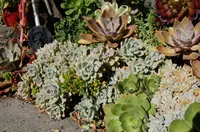
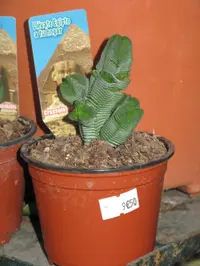
Pagoda Mini Jade, Crassula pyramidalis, is a compact succulent from arid regions of South Africa and Namibia. It forms tight, geometric columns of stacked, triangular leaves that resemble a small pagoda tower.

This plant grows slowly and stays small, making it well suited to windowsills and small indoor collections. Its dense foliage can flush with red tones under strong light, which adds ornamental value.

Crassula pyramidalis is generally considered easy to grow if given strong light, very well-draining soil, and sparing watering. Understanding how to care for Pagoda Mini Jade mainly involves avoiding excess moisture and providing good airflow.

Main Plant Requirements

Care Difficulty

Moderate Care

Light Preference

Full Sun

Water Requirements

Low Water

Temperature Preference

Tropical / Frost Sensitive

Hardiness Zone

10–11

Soil Texture

Sandy, Loamy, Rocky

Soil pH

Slightly acidic (6.5–7.0), Slightly alkaline (7.0–7.5)

Soil Drainage

Well-drained

Fertilization

Minimal (feed rarely)

Get Personalized Care Plan

Scan your plant to receive care tips personalized for your specific plant

Available on iOS and Android

How to Care for the Pagoda Mini Jade

Crassula pyramidalis needs bright light to maintain its compact, stacked form and strong color.

  • Provide 4–6 hours of direct morning sun with bright, filtered light the rest of the day; east or southeast exposure suits Pagoda Mini Jade well.
  • In very hot, dry climates, protect from harsh afternoon sun to prevent leaf scorch and bleaching, especially above 90°F (32°C).
  • Tolerates light partial shade but may stretch and lose color; increase light gradually in late winter and early spring to avoid sunburn.

Crassula pyramidalis prefers thorough but infrequent watering that allows the soil to dry between soakings.

  • Water only when the top 3–5 cm of soil is completely dry, then soak deeply so water drains out, avoiding any standing water around roots.
  • Reduce watering sharply in winter, especially in cool conditions, as the plant uses less moisture and is more prone to rot.
  • Watch for mushy, translucent leaves as a sign of overwatering, and wrinkled, slightly shriveled leaves as a cue that it is time to water.

This succulent grows best in warm, dry conditions with good air movement and protection from frost.

  • Aim for 65–80°F (18–27°C) during active growth, as this range supports steady development without stressing the plant.
  • Avoid prolonged exposure below 40°F (4°C); brief dips to 32°F (0°C) may be tolerated if dry, but repeated frosts can kill stems and roots.
  • In hot summers above 90°F (32°C), give light shade and avoid reflected heat from walls or stones, while keeping nights cooler whenever possible.

Humidity is rarely a concern for this succulent and typical indoor air suits Pagoda Mini Jade well.

Crassula pyramidalis needs a mineral, fast-draining substrate to prevent root rot.

  • Use a gritty, sandy mix such as 50–70% inorganic material (pumice, coarse perlite, or grit) blended with a cactus potting base.
  • Aim for slightly acidic to neutral pH around 6.0–7.0, avoiding strongly acidic or alkaline mixes that can limit nutrient uptake.
  • Increase aeration by using large-particle amendments (2–5 mm) and avoiding peat-heavy or compacting components.
  • Do not use dense garden soil or moisture-retentive mixes that stay wet longer than 2–3 days after watering.

This compact species is very suitable for container growing.

  • Choose a shallow but wide pot to match its relatively fine root system and clustered upright growth habit.
  • Use a container material like unglazed terracotta if faster moisture loss is needed in cool or low-light locations.
  • Ensure drainage holes stay clear and tilt the pot briefly after watering to help excess water exit quickly.

Crassula pyramidalis grows well with modest feeding during its active season, so use light, infrequent applications.

  • Use a balanced liquid fertilizer (for example 10-10-10) at 1/4–1/2 strength for Pagoda Mini Jade in spring and summer.
  • Apply every 4–6 weeks only when the soil is moist to avoid root burn.
  • Skip compost-heavy mixes; choose a low-organic, cactus or succulent-specific product instead.
  • Stop feeding in fall and winter when growth slows and the plant is semi-dormant.

Pruning Crassula pyramidalis is mainly for tidiness and light shaping, not heavy size control.

  • Best time is late spring or early summer when growth is active.
  • Snip off dead, shriveled, or damaged stems with clean, sharp scissors or small snips.
  • Lightly remove elongated or crowded tips to maintain a compact, columnar form.
  • Avoid cutting into thick woody bases; focus on soft, current-season growth for quickest recovery.

This compact succulent prefers a snug pot and infrequent disturbance, so repot only when clearly necessary.

  • Check for roots circling the drainage holes, soil drying extremely fast, or stalled growth as signs to repot.
  • Plan repotting in late spring, every 3–4 years, when the plant is actively growing.
  • Choose a shallow pot with drainage and a gritty cactus mix; handle stems gently to prevent breakage.
  • Loosen the root ball lightly, remove old soil, replant at the same depth, and keep slightly dry for 5–7 days to limit root stress.

Crassula pyramidalis is commonly propagated from stem cuttings taken during its active growing season.

  • Take short, firm stem tip cuttings in late spring or early summer, using a clean, sharp blade.
  • Let cut ends dry and callus for 2–3 days in a shaded, airy place.
  • Insert cuttings into a barely moist, gritty cactus mix and keep in bright, indirect light.
  • Maintain warm temperatures around 70–75°F and minimal watering until roots form, then increase light gradually.

This succulent dislikes hard frost and benefits from basic winter protection, especially in containers.

  • Keep outdoor plants in regions above about 30°F; colder areas suit indoor Pagoda Mini Jade indoor care better.
  • Move potted plants indoors before frost, placing them in bright, cool, dry conditions.
  • Water very sparingly, allowing soil to dry fully between light sips to prevent root rot.

Care Tips

Rotate For Symmetry

Turn the pot 90° every 2–3 weeks so the stacked stems receive even light and do not lean or twist toward a single window.

Tight Cluster Management

If several stems become crowded, gently remove the weakest ones and repot them separately so remaining columns have airflow and are less prone to rot at the base.

Bottom-Watering Routine

Use bottom-watering for 15–20 minutes, then drain fully, to hydrate the narrow root zone without repeatedly wetting the dense stem clusters.

Targeted Pest Checks

Inspect the tight leaf joints with a flashlight or magnifier every month, since mealybugs and spider mites often hide between the stacked leaves where they are hard to see.

Cool, Bright Dormancy

In winter, keep the plant in the brightest possible spot with cooler room temperatures and very sparse watering to support a compact form and stable structure when growing Pagoda Mini Jade.

Common Pests and Diseases

Mealybugs

This pest often hides in leaf axils and between the stacked leaves, feeding on plant sap and causing stunting and distorted new growth. Symptoms include white cottony tufts and sticky honeydew on the stems.

Solution

Isolate the plant, then dab visible insects with cotton swabs dipped in 70% isopropyl alcohol and gently wipe crevices between the leaf tiers. Improve light and air movement, and repeat alcohol or insecticidal soap treatments weekly until no new mealybugs appear, taking care not to over‑wet the compact rosettes.

Soft scale

These insects attach firmly to stems and leaf edges, appearing as small tan or brown bumps and drawing sap from the plant. Symptoms include slow growth, yellowing, and black sooty mold on honeydew deposits.

Solution

Scrape or wipe off individual scales with a cotton swab or soft brush, then wash the plant with a gentle insecticidal soap solution and allow it to dry quickly. Maintain bright light and avoid overfertilizing, and repeat spot treatments on any returning scales over several weeks.

Spider mites

These insects thrive on Crassula pyramidalis under hot, dry indoor conditions, causing fine stippling, dulling of the green color, and occasional webbing in tight leaf joints. Symptoms include overall loss of vigor and fine speckling on the stacked leaves.

Solution

Rinse the plant under a gentle stream of lukewarm water, directing flow through the vertical leaf columns, then let it dry fully. Increase humidity slightly around the plant without wetting the soil, ensure strong light, and use repeated applications of insecticidal soap or a neem-based spray on both sides of the foliage until mites are gone.

Edema

This disorder occurs when roots absorb water faster than the plant can use it, leading to tiny corky spots or blisters on the tightly packed leaves. Symptoms include rough, raised patches that do not rub off but usually stay localized.

Solution

Allow the soil to dry more thoroughly between waterings and avoid sudden changes from dry to very wet. Provide bright light, a gritty, fast-draining mix, and good airflow so the plant can transpire efficiently, which improves overall Crassula pyramidalis plant care and reduces future edema episodes.

Fungal leaf spots

This disease develops in tight leaf stacks when moisture lingers, leading to small brown or black spots that may merge and scar the foliage. Symptoms include spotting concentrated where water collects between leaves or after overhead watering in cool conditions.

Solution

Remove the most affected leaves with sterile tools and avoid wetting the foliage in future waterings. Improve airflow, increase light, and, if spots continue to spread, apply a low-toxicity fungicide labeled for succulents, making sure the plant dries quickly after each treatment.

Interesting Facts

Geometric leaf stacking

The leaves form in tight opposite pairs around the stem, creating a sharply angular, four‑sided column that looks like a miniature pagoda or tower. This stacked geometry is an adaptation that minimizes the leaf surface directly exposed to intense sun while still allowing enough light for photosynthesis.

Color change with stress

In strong light and mild drought, the normally green to gray‑green columns can flush red to purplish at the edges and tips. This color shift is caused by increased production of anthocyanins, pigments that help protect tissues from excess light and UV radiation.

Short‑lived but offsetting

Individual stems of this species are relatively short‑lived, often declining after flowering, but the plant persists by producing new basal shoots and offsets. Over time, a single plant can form a small clump of many columns through this vegetative growth habit.

FAQs about Pagoda Mini Jade

Brown leaf tips or patches usually result from underwatering, intense direct sun, or sudden temperature stress. Check soil moisture, protect from harsh midday rays, and avoid cold drafts or heat vents to prevent further tissue damage.

Grow Healthy Plants with Botan Care

Keep your plants happy and healthy with plant identification, disease detection, and easy care guidance.

Botan plant care app — identify plants on mobile

Explore More Plants