Gopher plant Care (Euphorbia rigida)

Also known as: Gopher plant
Gopher plant

About Gopher plant

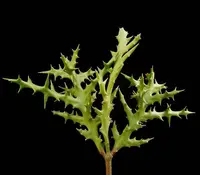
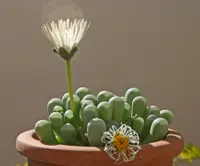
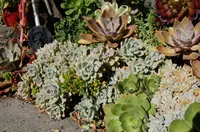
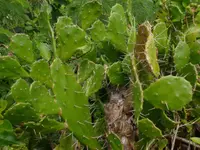
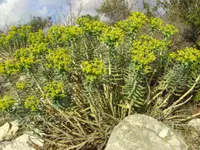
Gopher plant, Euphorbia rigida, is a shrubby, evergreen succulent known for its stiff, upright stems and narrow blue-green leaves. It forms low mounds that provide strong structure in dry gardens. In late winter to spring it produces chartreuse flower-like bracts that add bright color and contrast to gravel or rock plantings. Native to the Mediterranean region, it is adapted to hot, sunny slopes and poor, stony soils. This background makes it drought tolerant and generally low maintenance if drainage is excellent. It suits gardeners who prefer minimal watering and simple pruning, and who want to learn how to care for Gopher plant without complex routines.

Main Plant Requirements

Care Difficulty

Easy Care

Light Preference

Full Sun

Water Requirements

Low Water

Temperature Preference

Warm Climate

Hardiness Zone

7–10

Soil Texture

Sandy, Loamy, Rocky

Soil pH

Slightly acidic (6.5–7.0), Slightly alkaline (7.0–7.5)

Soil Drainage

Well-drained

Fertilization

Minimal (feed rarely)

Get Personalized Care Plan

Scan your plant to receive care tips personalized for your specific plant

Available on iOS and Android

How to Care for the Gopher plant

This sun-loving Mediterranean shrub thrives in bright, open positions with strong light.

  • Provide 6–8 hours of direct sun daily; full sun suits Gopher plant in most temperate climates.
  • In very hot regions, give morning sun with light afternoon shade to reduce leaf scorch and stress.
  • In winter, ensure an unshaded, south-facing exposure so plants receive low-angle sun and avoid etiolation (weak, stretched growth).

This drought-adapted succulent prefers deep, infrequent watering and fast-draining soil.

  • Outdoors in well-drained ground, water only when the top 5–8 cm of soil are completely dry, then soak the root zone once.
  • Reduce watering sharply in fall and winter, especially in cool, wet climates, to limit root rot in Euphorbia rigida.
  • Watch for shriveling stems as a sign of underwatering and soft, yellowing, or collapsing shoots as signs of overwatering.

This hardy Mediterranean species tolerates a wide temperature range but dislikes prolonged hard frost or extreme humidity.

  • Aim for active growth in 65–80°F (18–27°C) with low to moderate humidity and very good air movement.
  • Mature plants often survive brief drops to about 10–15°F (-12 to -9°C) if soil is dry, but young plants are less cold tolerant.
  • In hot summers above 90°F (32°C), provide afternoon shade and avoid reflected heat from walls or paving to prevent stress.

Humidity is not a significant factor for Euphorbia rigida, which is adapted to dry air.

Euphorbia rigida prefers very lean, fast-draining, mineral soils that do not stay wet.

  • Use a gritty mix such as 50–70% coarse sand or fine gravel combined with cactus potting mix.
  • Ensure water drains through within seconds; add extra perlite or pumice if water lingers on the surface.
  • Aim for slightly alkaline to neutral pH around 7.0–8.0, avoiding strongly acidic substrates.
  • Avoid peat-heavy, compact, or water-retentive mixes that collapse and suffocate the roots.

This species is suitable for container growing in sunny outdoor locations.

  • Choose a heavy, low, and wide pot to counterbalance the woody, outward-leaning stems and prevent tipping.
  • Use a container with multiple drainage holes so excess water exits quickly during heavy rain or deep watering.
  • Select unglazed clay if faster drying is needed, or thick-walled stone or concrete where added stability against wind is useful.

Euphorbia rigida is a low-nutrient, drought-adapted plant that needs only light feeding in cultivation.

  • Use a diluted balanced liquid fertilizer (around 10-10-10) at 1/2–1/4 strength during active growth in spring–early summer.
  • Feed container-grown Gopher plant every 6–8 weeks; in the ground, one light spring feeding is usually enough.
  • Avoid high-nitrogen or rich compost blends that encourage lush, weak growth and reduce drought tolerance.
  • Stop feeding in late summer and do not fertilize in fall–winter to allow natural semi-dormancy.

Pruning Euphorbia rigida is mainly about tidying the plant and maintaining a compact, architectural shape.

  • Best time is late winter to early spring, just before or right after flowering finishes.
  • Remove dead, damaged, or crossing stems at the base using clean, sharp bypass pruners.
  • Cut back spent flower stalks to a healthy side shoot to encourage new basal growth and denser form.
  • Wear gloves and eye protection, as the milky sap can irritate skin and eyes; avoid heavy thinning in one year.

This species is usually grown in the ground, so focus on careful transplanting rather than frequent repotting.

  • Transplant in late winter to early spring, when growth is just starting and heat stress is low.
  • Look for slow growth, roots circling a pot, or a plant lifting from the soil as signs a container Euphorbia rigida needs a larger space.
  • Move only every 3–4 years in containers, stepping up 2–5 cm in diameter into very free-draining, gritty soil.
  • Water lightly after moving, keep in bright but not harsh sun for 7–10 days, and avoid disturbing the root ball to limit shock.

Euphorbia rigida is commonly propagated by semi-hardwood cuttings and by seed in suitable outdoor conditions.

  • Take short tip cuttings in late spring–summer, allow the cut ends to dry and callus for 2–3 days to reduce rot.
  • Wear gloves, rinse off latex sap, then insert cuttings into a gritty, barely moist mix under bright, indirect light.
  • For seed, sow fresh in fall or very early spring in a well-drained tray kept cool and lightly moist, not wet.
  • Provide good airflow, avoid high humidity, and do not overwater, as excess moisture is the main cause of failure.

This shrub is generally cold hardy in much of the US, needing only minimal winter attention in the ground.

  • Mature plants tolerate light to moderate frost; young plants benefit from a 3–5 cm layer of gravel or coarse mulch over roots.
  • In very cold regions, grow Euphorbia rigida in containers and move to a bright, cool, frost-free spot for winter.
  • Keep soil on the dry side during cold months, ensuring containers drain well and do not sit in water.

Care Tips

Tilted planting

Plant slightly tilted on a slope or mound so water drains away from the crown, which reduces the risk of rot in heavy or compacted soils.

Controlled self-seeding

After flowering, leave a few seed heads to dry if naturalizing is desired, but cut the rest before they fully brown to prevent excessive self-seeding and crowding.

Safe sap handling

Wear gloves and long sleeves when cutting stems, rinse any sap off tools immediately, and keep pruned material away from pets and children to avoid irritation from the milky latex.

Winter structure check

At the end of winter, inspect clumps and thin out any weak, etiolated stems so the remaining shoots have better light exposure and maintain a compact, architectural form.

Rock mulch use

Use a 2–5 cm layer of coarse gravel or small rocks as mulch around the base to keep stems dry at the soil line, stabilize temperature, and mimic the plant’s natural rocky habitat when caring for Gopher plant.

Common Pests and Diseases

Aphids

These insects cluster on young stems and flower shoots, sucking sap and causing distortion, sticky honeydew, and sometimes sooty mold growth.

Solution

Rinse colonies off with a firm stream of water, then spot-treat remaining insects with insecticidal soap or a ready-to-use neem oil spray, applied in the cool part of the day. Encourage lady beetles and other natural predators by avoiding broad-spectrum insecticides and limiting excess nitrogen fertilizer that drives soft, aphid-prone growth.

Spider mites

These pests thrive in hot, dry conditions and cause fine stippling on foliage, leaf dulling, and delicate webbing between stems and leaves.

Solution

Increase humidity around the plant slightly with occasional overhead rinsing, then wash stems and leaves thoroughly with water to dislodge mites. If needed, follow with insecticidal soap or horticultural oil, repeating every 5–7 days until new growth appears clean, and reduce heat stress to improve long-term Euphorbia rigida plant care.

Mealybugs

These insects appear as white, cottony clusters in stem joints and on roots, weakening plants by feeding on sap and excreting honeydew.

Solution

Isolate affected plants, then dab visible mealybugs with cotton swabs dipped in 70% isopropyl alcohol and remove heavily infested stems. For larger populations, use repeated applications of insecticidal soap or systemic granules labeled for ornamental succulents, and check the root zone when repotting to remove any hidden root mealybugs.

Botrytis blight

This disease causes water-soaked spots, soft stem areas, and gray, fuzzy mold on stressed or overcrowded plants, especially in cool, damp weather.

Solution

Remove and discard all affected stems and bracts, improve air circulation, and avoid overhead watering that keeps tissues wet. In persistent cases, apply a fungicide labeled for Botrytis on ornamentals and thin surrounding vegetation to let stems dry quickly after rain or irrigation.

Powdery mildew

This disease presents as white, powdery patches on leaves and bracts, leading to reduced vigor and sometimes distorted growth in periods of mild temperatures and dry air with poor airflow.

Solution

Prune out the most affected shoots, dispose of infected debris, and increase sun exposure and air movement around the plant. If needed, use a sulfur, potassium bicarbonate, or other powdery mildew fungicide labeled for ornamentals, applied according to label directions and spaced to prevent reinfection.

Interesting Facts

Late-winter nectar source

This species flowers very early in the season, often in late winter to early spring, providing nectar and pollen for bees and other pollinators when few other plants are in bloom.

Natural soil stabilizer

Its deep, fibrous root system and clumping habit help bind poor, rocky slopes in its native Mediterranean habitats, reducing erosion in dry, open sites.

Blue foliage adaptation

The blue-green, glaucous leaf coating reflects intense sunlight and reduces water loss, a common adaptation in drought-tolerant Mediterranean shrubs and subshrubs.

Botan icon

Did you know?

This plant produces a toxic, milky latex sap typical of the Euphorbia genus, but in this species the latex has been documented to deter grazing by herbivores so effectively that it often dominates overgrazed, dry hillsides in parts of its native range.

FAQs about Gopher plant

Lack of flowering usually comes from insufficient light, overly rich or wet soil, or heavy pruning at the wrong time. It blooms on mature stems, so avoid cutting them back hard before late winter–spring flowering.

Grow Healthy Plants with Botan Care

Keep your plants happy and healthy with plant identification, disease detection, and easy care guidance.

Botan plant care app — identify plants on mobile

Explore More Plants