


Secure Tall Stems
As the plant gains height, anchor the main stems with a sturdy stake or rock support so wind or accidental bumps do not crack the heavy, water-filled tissue near the base.

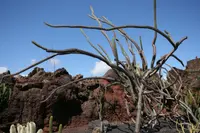
Octopus cactus, Stenocereus alamosensis, is a columnar desert cactus known for its long, arching arms that can resemble octopus tentacles. It forms clumping clusters over time and can become quite tall in suitable conditions.
This species is native to arid regions of Mexico, where it grows in rocky, well-drained soils with intense sun and minimal rainfall. Its thick, ribbed stems store water and are lined with prominent spines that help reduce moisture loss.
Stenocereus alamosensis is generally considered a durable, drought-tolerant plant, but it resents prolonged cold and excess moisture around the roots. Understanding how to care for Octopus Cactus starts with providing strong light, fast-draining soil, and careful watering to avoid rot.

Care Difficulty
Moderate Care

Light Preference
Full Sun

Water Requirements
Low Water

Temperature Preference
Tropical / Frost Sensitive

Hardiness Zone
10–11

Soil Texture
Sandy, Loamy, Rocky

Soil pH
Slightly acidic (6.5–7.0), Neutral (7.0)

Soil Drainage
Well-drained

Fertilization
Minimal (feed rarely)
Scan your plant to receive care tips personalized for your specific plant
Available on iOS and Android
This desert cactus thrives in strong sun but benefits from gradual acclimation to avoid scorch.
This species is highly drought-tolerant and prefers thorough but infrequent watering.
This cactus prefers consistently warm, arid conditions with strong seasonal heat tolerance.
This cactus prefers dry air and does best in low-humidity conditions.
Stenocereus alamosensis needs a highly drained, mineral-based soil to prevent root and stem rot.
This species is suitable for container growing if the pot is chosen to match its tall, columnar form.
This desert cactus needs only light feeding to support healthy growth in containers or poor substrates.
Pruning needs for Stenocereus alamosensis are minimal and mainly corrective.
This cactus grows slowly and dislikes frequent disturbance, so repot or transplant only when clearly needed.
Stenocereus alamosensis is usually propagated from stem cuttings or seeds under warm, dry conditions.
This species is sensitive to prolonged freezing and needs careful winter management in most temperate climates.

Plant Health Check
Not sure what's wrong with your plant? Check your plant's health inside the app.
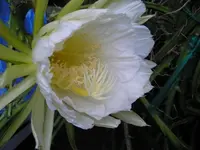
This species opens its tubular white flowers at night and relies mainly on nectar-feeding bats for pollination, an adaptation to the hot, arid environments of northwestern Mexico.
It is naturally restricted to thorny scrub and tropical dry forest near the Pacific coast of Sonora and adjacent Sinaloa, making it a habitat specialist rather than a wide-ranging desert cactus.
In favorable sites it forms dense stands of tall, upright stems that function almost like a cactus forest, providing shelter and perching sites for birds and other wildlife in otherwise open, dry landscapes.

The edible fruits of this species, locally known and harvested in parts of Sonora, contribute to traditional seasonal diets and provide food for wildlife, linking it directly to both human use and ecosystem food webs in its native range.
Lack of flowering usually comes from insufficient maturity, light, or seasonal temperature contrast. This species often needs several years of age, strong sun, cool but not freezing winters, and a dry rest period before reliable blooming starts.
Keep your plants happy and healthy with plant identification, disease detection, and easy care guidance.

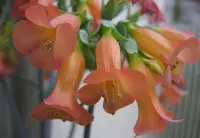
Chandelier plant
Kalanchoe delagoensis
 POPULAR
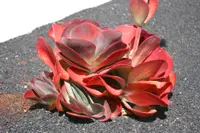
Paddle plant
Kalanchoe luciae
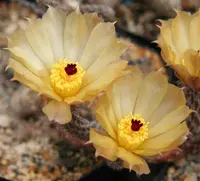
Pterocactus tuberosus
Pterocactus tuberosus
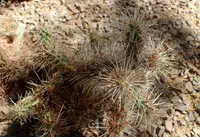
Blue Diamond cholla
Cylindropuntia multigeniculata
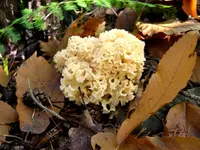
Cauliflower Fungus
Sparassis crispa
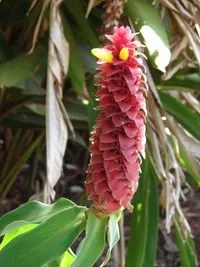
red tower ginger
Costus comosus
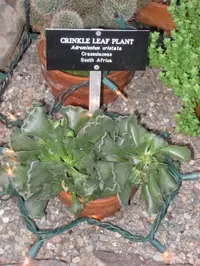 POPULAR
Crinkle leaf
Adromischus cristatus
Selenicereus hamatus
Selenicereus hamatus