Pterocactus tuberosus Care

Pterocactus tuberosus

About Pterocactus tuberosus

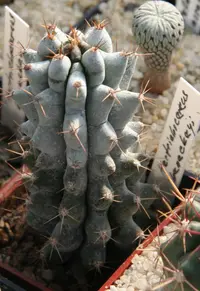
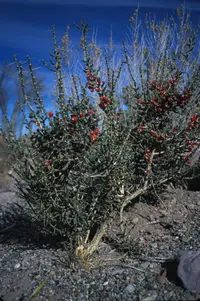
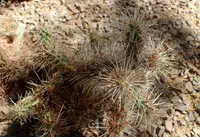
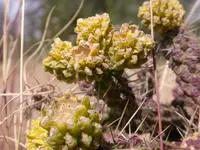
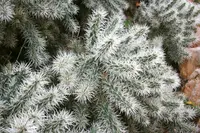
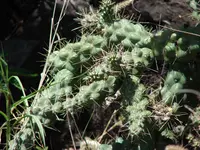
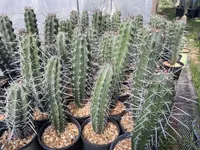
Pterocactus tuberosus is a small, tuber-forming cactus from arid regions of Argentina. It grows from an underground storage root and produces thin, jointed stems above the soil. The stems may look sparse or irregular, especially in dry or dormant periods.

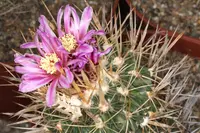
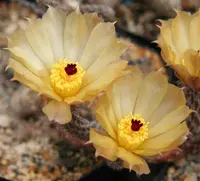
In good conditions it can produce attractive, usually yellow to orange flowers that open in strong light. The underground tuber helps the plant survive drought and temperature swings, which can make it surprisingly durable once established.

For most home growers, the main challenge is avoiding excess moisture and providing enough light, both crucial when learning how to care for Pterocactus tuberosus.

Main Plant Requirements

Care Difficulty

Moderate Care

Light Preference

Full Sun

Water Requirements

Low Water

Temperature Preference

Warm Climate

Hardiness Zone

9–11

Soil Texture

Sandy, Rocky, Loamy

Soil pH

Slightly acidic (6.5–7.0), Neutral (7.0)

Soil Drainage

Well-drained

Fertilization

Minimal (feed rarely)

Get Personalized Care Plan

Scan your plant to receive care tips personalized for your specific plant

Available on iOS and Android

How to Care for the Pterocactus tuberosus

This desert cactus needs strong light to stay compact and flower well.

  • Provide 6–8 hours of direct sun daily, ideally with morning sun and light afternoon shade in very hot, dry climates.
  • Pterocactus tuberosus tolerates bright, open exposure but may scorch in intense afternoon sun above 95°F (35°C), especially in dark containers.
  • In winter, give the brightest possible spot; plants kept in too much shade grow thin, pale stems and may stop flowering.

This species stores water in its tuberous roots and prefers infrequent, deep watering.

  • Water only when the top 3–5 cm of soil are completely dry; use fast-draining, gritty soil so water runs through in seconds.
  • During active growth in spring–summer, soak thoroughly, then let the soil dry fully; in fall–winter, reduce watering to light sips or keep almost dry if kept cool.
  • Yellowing, soft stems and a sour smell indicate overwatering, while severe wrinkling and shriveling suggest the plant has stayed dry for too long.

This cactus prefers warm, dry conditions with a distinct cool rest period.

  • Aim for 70–85°F (21–29°C) in active growth; short heat waves up to 95°F (35°C) are tolerated if soil is dry and air is moving.
  • In winter dormancy, cooler conditions around 45–55°F (7–13°C) are acceptable and often beneficial if the plant is kept mostly dry.
  • Avoid frost; brief drops to 28–32°F (-2–0°C) may damage stems and roots, so protect plants from freezing winds and wet cold soil.

This cactus prefers dry air and does not require elevated humidity.

  • Aim for 20–40% humidity, similar to a dry indoor room or arid outdoor climate.
  • It tolerates very dry air; problems usually arise only if humidity stays above 60% with poor air movement.
  • In high humidity, watch for soft, translucent stems or mold at the tuber; increase airflow and keep the substrate drier.

This species needs a very fast-draining, mineral-rich substrate to protect its tuberous roots from rot.

  • Use a coarse, sandy or gritty mix with minimal organic matter, such as 50–70% pumice, grit, or coarse sand blended with cactus mix.
  • Aim for sharply draining soil that dries within 2–4 days after watering, ideally at a slightly acidic to neutral pH of 6.0–7.0.
  • Improve aeration by adding large particles (3–6 mm) like pumice, lava rock, or crushed granite to prevent compaction around the tuber.
  • Avoid fine peat-heavy mixes, water-retentive potting soils, or any substrate that stays wet or muddy, as these quickly rot Pterocactus tuberosus.

This species is suitable for container growing if given a pot that protects its tuber and keeps excess moisture away.

  • Choose a deep container so the tuber sits comfortably below the surface while leaving at least 5–8 cm of soil beneath it for drainage space.
  • Use unglazed clay pots to increase moisture loss through the walls, which helps the mix dry quickly between waterings.
  • Stabilize the pot with a top layer of coarse gravel to anchor the brittle stems and reduce wobbling in windy or high-traffic areas.

This species grows on poor soils and needs only light feeding in cultivation.

  • Use a low-dose balanced cactus fertilizer (around 5-5-5) or very dilute general balanced NPK during active growth in spring–summer.
  • Feed no more than every 4–6 weeks, and only when the substrate is already moist, to avoid root burn.
  • Apply at 25–50% of the label rate; strong solutions damage the tuberous roots of Pterocactus tuberosus.
  • Stop fertilizing in fall and winter when growth slows or the plant enters dormancy.

Pruning needs for this cactus are minimal and mainly hygienic.

  • Carry out pruning in late spring or early summer, when growth is active and wounds heal faster.
  • Remove dead, shriveled, or frost-damaged stems with clean, sharp scissors or pruning snips.
  • Thin out badly crowded or crossing stems to improve light penetration and reduce rot risk.
  • Disinfect tools before and after cutting to limit disease spread and handle segmented stems gently to avoid breaking healthy growth.

This tuberous cactus prefers infrequent disturbance and does best in a stable, well-drained container.

  • Check for roots circling the pot or emerging from drainage holes, compacted mix, or markedly slowed growth as signs it needs a larger container.
  • Plan repotting for late winter to early spring, just before active growth begins, typically every 3–4 years.
  • Choose a shallow, wide pot with very gritty cactus mix, moving up only 2–3 cm in diameter to prevent excess moisture around the tuber.
  • Lift the plant carefully, keep the tuber intact, trim any rotten roots, let cuts dry for 1–2 days, then replant and water lightly after the mix settles.

This species is most often propagated from stem cuttings, with seeds used mainly by more advanced growers.

  • Take firm, healthy stem segments in late spring–summer, allowing the cut ends to callus in dry shade for 7–10 days.
  • Insert callused cuttings into a sterile, very gritty mix and keep at 70–80°F with bright, indirect light.
  • Water sparingly, just enough to prevent shriveling, until roots form and new growth appears.
  • For seed propagation, sow fresh seed on well-drained mix, keep slightly moist, and provide warmth and strong light for gradual germination.

This cactus is relatively cold tolerant when dry but still benefits from simple winter management, especially in containers.

  • Keep potted plants in a bright, frost-free spot around 40–50°F and maintain the mix almost completely dry.
  • In the ground, ensure very sharp drainage and use a gravel mulch over the tuber area to reduce freeze–thaw stress.
  • Avoid overhead watering on cold days to limit stem damage and fungal problems during dormancy.
  • For regions with very wet winters, grow Pterocactus tuberosus in pots so they can be moved under cover in prolonged rain.

Care Tips

Lifted pot culture

Use a clay pot set on pot feet or a low mesh stand so excess water drains quickly and the tuber stays drier and cooler than the topdressing, which helps prevent rot in hot, wet spells.

Surface temperature check

On very bright days, briefly touch the pot and gravel surface; if they feel hot to the hand, move the plant to a slightly more ventilated or lightly shaded position to avoid overheating the fine feeder roots just under the surface.

Winter rest management

As stems shrivel and drop in late fall, move the plant to a very bright, cold but frost-free spot and keep the pot completely dry, which supports proper dormancy and stronger spring regrowth when caring for Pterocactus tuberosus.

Root inspection schedule

Every 2–3 years, unpot the plant at the start of its rest period to inspect the tuber, trimming any black or mushy tissue with a sterile blade and dusting cuts with dry sulfur before repotting into fresh, very gritty mix.

Outdoor storm protection

If grown outside, move the pot under a solid overhang or into a cold frame before forecast heavy rain, since limiting sudden prolonged saturation is critical to protect the underground tuber from bacterial and fungal rot.

Common Pests and Diseases

Mealybugs

This pest often hides in stem joints and around areoles, sucking sap and weakening the segmented stems. Symptoms include white cottony masses, stunted growth, and occasional sooty mold on older pads.

Solution

Isolate the plant, then dab visible insects with cotton swabs dipped in 70% isopropyl alcohol and repeat weekly until no new clusters appear. For larger infestations, use several applications of a ready-to-use insecticidal soap or neem oil spray, applied in the evening and kept off the roots and tuber to avoid rot, which is a key part of Pterocactus tuberosus care instructions.

Spider mites

These insects thrive in hot, very dry conditions and can cause fine webbing between joints, pale speckling, and a dull, dusty look to the stems. Symptoms include slowed growth and eventual stem shriveling if left untreated.

Solution

Increase local humidity slightly around, but not directly on, the stems and rinse the plant under a gentle stream of water to dislodge mites. Follow with repeated applications of insecticidal soap or a miticide labeled for cacti, ensuring good coverage of all stem segments and repeating every 5–7 days until webs and speckling stop appearing.

Scale insects

This pest appears as small, hard, brown or gray bumps tightly attached to stems and around the base of segments. Symptoms include yellowing, shriveling pads, and sticky honeydew that can attract sooty mold.

Solution

Manually remove scales with a soft brush or fingernail while supporting the delicate segments, then wipe affected areas with diluted isopropyl alcohol. After mechanical removal, apply a systemic insecticide labeled for ornamental cacti or repeat treatments with horticultural oil, taking care not to saturate the soil or tuber.

Fungal stem rot

This disease often follows minor injuries or overwatering and causes localized dark, softened, or sunken areas on the segmented stems. Symptoms include black or brown lesions that may spread rapidly in warm, humid conditions.

Solution

Cut away affected stem sections well into healthy tissue with a sterile blade and discard all infected material. Improve drainage, allow the soil to dry thoroughly between waterings, increase air movement, and, in severe or recurring cases, drench the remaining plant and substrate with a fungicide formulated for cacti and succulents.

Tuber rot

This disease affects the underground tuber, often triggered by prolonged soil moisture or cold, wet conditions, leading to soft, foul-smelling, or discolored tissue. Symptoms include sudden stem collapse, poor new growth, and failure to resprout after dormancy.

Solution

Unpot the plant, inspect the tuber, and cut away all soft or discolored areas with a sterile knife, leaving only firm, healthy tissue. Allow the cleaned tuber to dry for several days in a shaded, airy place, dust cuts with a sulfur-based fungicide, then replant in a very coarse, fast-draining cactus mix and water sparingly, especially during cool periods.

Interesting Facts

Tuberous survival strategy

This species forms a large underground tuber that stores water and nutrients, allowing the plant to survive extended drought and resprout after stems die back in harsh conditions.

Jointed, deciduous stems

The thin, segmented stems are partially deciduous and may be shed during unfavorable seasons, a trait uncommon among many cacti and linked to its adaptation to cold, dry Patagonian habitats.

Night-opening flowers

Its pale, often creamy to pinkish flowers tend to open later in the day or toward evening, an adaptation thought to align flowering with the activity patterns of local pollinators in its native range.

Botan icon

Did you know?

In its native South American habitats, this species often grows partly buried in gravelly or sandy soils, with only short stem segments visible above ground while the bulky tuber remains hidden, which helps protect it from herbivores and temperature extremes.

FAQs about Pterocactus tuberosus

This species performs best outdoors in full sun, low humidity, and strong temperature swings, similar to its Patagonian habitat. Pterocactus tuberosus indoor care is possible only in very bright, cool, well-ventilated conditions with careful watering.

Grow Healthy Plants with Botan Care

Keep your plants happy and healthy with plant identification, disease detection, and easy care guidance.

Botan plant care app — identify plants on mobile

Explore More Plants