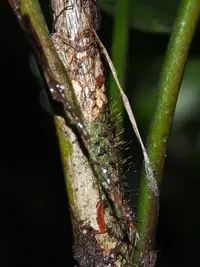
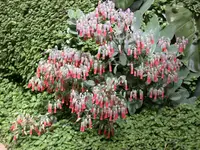
red tower ginger Care (Costus comosus)

red tower ginger

About red tower ginger

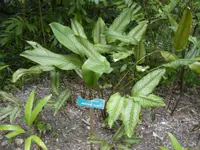
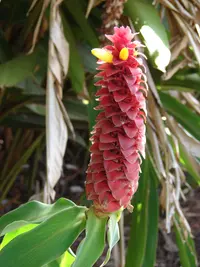
Red tower ginger, Costus comosus, is a tropical rhizomatous perennial known for its bold foliage and striking, cone-shaped red flower spikes. It often forms upright clumps with spiraling stems and lush green leaves, giving a strong architectural look in gardens or containers.

This species is native to Central and South America, where it grows in warm, humid forests and along partially shaded edges. In cultivation it prefers bright, filtered light, consistently moist but well-drained soil, and protection from cold.

Its growth is moderately fast and it responds well to regular moisture and warmth, which makes learning how to care for red tower ginger fairly straightforward for patient growers.

Main Plant Requirements

Care Difficulty

Moderate Care

Light Preference

Partial Shade

Water Requirements

Keep Soil Moist

Temperature Preference

Tropical / Frost Sensitive

Hardiness Zone

10–11

Soil Texture

Loamy, Sandy, Organic-rich

Soil pH

Acidic (5.5–6.5), Slightly acidic (6.5–7.0)

Soil Drainage

Moist but well-drained

Fertilization

Moderate (every 2–4 weeks)

Get Personalized Care Plan

Scan your plant to receive care tips personalized for your specific plant

Available on iOS and Android

How to Care for the red tower ginger

This tropical species thrives in bright, filtered light that mimics a lightly shaded forest edge.

  • Provide 3–5 hours of gentle morning sun with dappled or filtered light the rest of the day; avoid harsh midday and afternoon sun, which can scorch leaves.
  • Tolerates partial shade, but very deep shade causes weak, lanky growth and fewer blooms on red tower ginger spikes.
  • In hot summers, give more shade from 11 a.m.–4 p.m.; in cooler seasons, allow slightly more direct morning sun to maintain compact growth.

Costus comosus prefers consistently moist but not saturated soil, similar to a well‑drained rainforest floor.

  • Water when the top 2–4 cm of soil feels dry, aiming for evenly moist soil that never stays soggy or bone dry for long periods.
  • In spring and summer growth, check moisture every 2–3 days; in cooler months, let the top layer dry a bit more to reduce root stress.
  • Wilting, crisp leaf edges, and curled tips suggest underwatering, while yellowing lower leaves, soft stems, and a sour soil smell indicate overwatering or poor drainage.

This species grows best in warm, frost‑free conditions similar to a humid tropical garden.

  • Optimal growth occurs at 70–85°F (21–29°C); growth slows noticeably below about 65°F (18°C).
  • Protect from cold snaps, as plants suffer damage below 50°F (10°C) and can be killed by frost near 32°F (0°C).
  • Tolerates short hot spells up to about 95°F (35°C) if soil moisture and humidity are maintained, but prolonged extreme heat can cause leaf scorch and stalled flowering.

This species prefers moderately high humidity and reacts if air stays too dry.

  • Aim for 50–70% humidity; in heated homes, place red tower ginger away from vents that blow hot, dry air.
  • Crisping leaf tips, rolled new growth, and stalled shoots indicate humidity stress rather than underwatering.
  • Increase humidity with a nearby humidifier, grouped plants, or a pebble tray under (not touching) the pot, rather than frequent misting.

This plant grows best in loose, organic-rich, evenly moist but sharply draining soil.

  • Use a mix of 50–60% peat or coco coir with compost, plus 30–40% perlite or pine bark to keep the root zone airy.
  • Target slightly acidic to neutral pH around 6.0–7.0 for Costus comosus to support nutrient uptake and healthy root function.
  • Ensure water drains through freely within a few seconds; if it pools on top, lighten the mix with more perlite or bark chips.
  • Avoid heavy clay-based mixes, unamended garden soil, or constantly waterlogged conditions that lead to rhizome rot.

This species is suitable for container growing when the pot is chosen to support its tall, rhizomatous habit.

  • Select a wide, stable pot to accommodate spreading rhizomes and prevent tipping as canes elongate.
  • Choose a slightly heavier material such as ceramic or clay to counterbalance top growth in windy or exposed spots.
  • Raise the container on feet or bricks so drainage holes stay clear and excess water escapes quickly after watering or rain.

Costus comosus responds well to modest, consistent feeding during its active warm-season growth.

  • Use a balanced liquid fertilizer (for example 10-10-10) diluted to 1/2 strength every 4–6 weeks in spring and summer.
  • Alternatively, apply a thin layer of compost or a slow-release granular fertilizer at the start of the growing season.
  • Rinse the soil lightly before feeding if it has dried heavily, to reduce fertilizer burn risk.
  • Stop feeding in fall and winter when growth slows, especially for red tower ginger grown indoors.

Costus comosus benefits from light, periodic pruning to maintain a neat clump and encourage new shoots.

  • Best timing is late winter to early spring, before strong new growth begins.
  • Remove dead, damaged, or diseased canes at the base using clean, sharp bypass pruners.
  • Thin out the oldest, most crowded stems to improve air flow and light penetration into the clump.
  • After flowering, cut back spent flower stems to direct energy into rhizomes and new leafy shoots.

This species forms rhizomatous clumps that appreciate occasional division and transplanting when crowded.

  • Repot or transplant every 2–3 years, or when roots circle the pot, growth slows, or soil dries very fast.
  • Plan major moves for late spring, once temperatures are consistently warm and new growth is starting.
  • Lift the clump gently, tease apart or cut rhizomes into sections with several healthy shoots and roots.
  • Replant at the same depth in a well-drained, rich mix, water thoroughly, then keep shaded and evenly moist for 1–2 weeks to limit stress.

This ginger is commonly propagated by rhizome division and by stem cuttings during warm months.

  • Best season is late spring to midsummer, when plants are actively growing and temperatures are 70–85°F.
  • For division, cut rhizomes into sections with 1–3 shoots and firm roots, then plant in moist, well-drained medium.
  • For stem cuttings, use 2–3 node segments, plant horizontally or vertically, and keep humidity high and soil lightly moist.
  • Provide bright, indirect light and warm, stable conditions to support Costus comosus plant care during rooting.

This tropical plant is frost-tender and needs protection in climates with cool or freezing winters.

  • In USDA zones below 10, grow in containers and move indoors before temperatures drop near 40°F.
  • Outdoors in mild climates, apply a 5–8 cm mulch layer over the root zone to buffer short cool spells.
  • If top growth is damaged by cold, cut back dead stems in late winter and allow new shoots to emerge in spring.
  • Indoors, keep plants above 60°F with bright, indirect light and slightly drier soil than in summer.

Care Tips

Rotate Container Regularly

Turn the pot 90° every 1–2 weeks so the spiral stems grow evenly and do not lean strongly toward the light source, which helps maintain an upright, balanced clump.

Provide Discreet Support

Install slim bamboo stakes or a small plant ring early in the season and loosely tie taller canes with soft ties to prevent top-heavy flowering stems from bending or snapping.

Refresh Top Layer

Once a year, scrape off 2–3 cm of the tired surface mix and replace it with fresh, peat-free, well‑draining medium to renew nutrients without disturbing the rhizomes.

Divide At Active Growth

Plan any division or repotting for late spring, when new shoots are emerging, and keep at least 2–3 healthy stems attached to each rhizome section to reduce transplant shock when growing red tower ginger.

Monitor Flower Bracts

Check the red cones and surrounding foliage weekly for mealybugs and scale insects, and if found, prune out heavily infested bracts and treat remaining growth promptly with a labeled horticultural soap.

Common Pests and Diseases

Spiraling ginger scale

This pest often settles along the spiral stems and leaf midribs, sucking sap and causing yellowing, reduced vigor, and sticky honeydew that can lead to sooty mold. Symptoms include small, immobile bumps or crusts that are hard to scrape off.

Solution

Prune heavily infested stems, then wipe remaining scale with cotton pads dipped in 70% isopropyl alcohol or a mild insecticidal soap solution. Improve air circulation around the clump and repeat treatments every 7–10 days until new growth appears clean, which is essential for stable Costus comosus care.

Spider mites

These insects favor Costus foliage grown in dry, warm conditions and cause stippled, dull leaves and fine webbing, especially on undersides. This pest can cause leaf edge browning and premature leaf drop when populations are high.

Solution

Rinse foliage thoroughly with a strong but gentle stream of water, paying attention to leaf undersides, then follow with insecticidal soap or horticultural oil. Raise humidity to 50–60% and avoid letting the soil dry out completely, as consistent moisture helps the plant resist reinfestation.

Aphids

These insects cluster on young shoots, flower bracts, and undersides of tender leaves, sucking sap and distorting new growth. This pest also produces sticky honeydew that can attract ants and support black sooty mold.

Solution

Pinch off or hose down heavily infested shoot tips, then treat remaining colonies with insecticidal soap, ensuring full coverage of soft new tissue. Monitor flower spikes and new shoots weekly during active growth and repeat treatment as needed until no new colonies appear.

Leaf spot (fungal)

This disease causes brown, tan, or purplish spots on leaves, often with a yellow halo, which may coalesce and cause partial leaf blight in humid, crowded plantings. Symptoms include more rapid spread during prolonged leaf wetness or overhead irrigation.

Solution

Remove and discard affected leaves, then water at the soil level instead of overhead to keep foliage dry. Improve spacing and airflow around plants, and if the problem persists, apply a labeled copper or chlorothalonil fungicide, following directions carefully and treating new foliage during humid periods.

Bacterial soft rot

This disease produces soft, water-soaked, foul-smelling tissue at the base of stems or rhizomes, often starting where water or soil stays trapped. Symptoms include sudden stem collapse and mushy rhizomes when dug up or inspected at the soil line.

Solution

Immediately cut out and dispose of all soft, rotting stems and any affected rhizome sections, sterilizing tools between cuts with alcohol or a 10% bleach solution. Allow the remaining clump to dry slightly between waterings, keep mulch thin around the stem bases, and avoid water pooling at the crown to prevent reinfection.

Interesting Facts

Spiral stem architecture

This species forms a distinctive spiral or corkscrew-like stem as it grows, with leaves arranged in a tight helix around the cane, which increases light capture along the shoot in its native understory habitat.

Pineapple-like bracts

Its bright red to orange cone-shaped inflorescences are made of stiff bracts that resemble a small pineapple, and the true flowers are soft, often yellow to orange, emerging briefly from between these bracts to attract pollinators.

Nectar for hummingbirds

In its native Central and South American range, the tubular flowers provide nectar for hummingbirds, which act as primary pollinators by transferring pollen as they probe the flowers while hovering.

Botan icon

Did you know?

This species has been included in studies of spiral phyllotaxis, the mathematical pattern by which leaves are arranged around the stem, making it a useful living example for illustrating how plants optimize space and light capture through helical growth.

FAQs about red tower ginger

Lack of blooms often relates to plant maturity, insufficient warmth, or nutrient imbalance. Flowers usually appear after the rhizome is well established and has gone through a warm growing season with steady, moderate feeding and no severe stress.

Grow Healthy Plants with Botan Care

Keep your plants happy and healthy with plant identification, disease detection, and easy care guidance.

Botan plant care app — identify plants on mobile

Explore More Plants